
Iran’s Strategic Threats to the U.S.
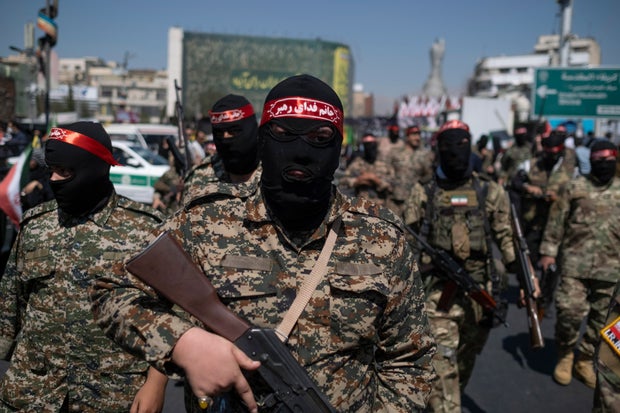
A spokesman for Iran’s Islamic Revolutionary Guard Corps warned that additional U.S. assaults would provoke a broader regional conflict. According to Hossein Mohebbi, Tehran is poised to shift its military strategy and expand the war’s geographic scope if necessary. This statement followed messages from the U.S. indicating possible intensified actions.
President Trump’s Considerations
President Trump stated he is in a phase of decision-making regarding Iran. Options on the table include extreme economic measures, military action, or diplomatic discussions. The President expressed potential openness to meeting Iranian President Masoud Pezeshkian during the United Nations General Assembly in New York.
U.S. Diplomatic Efforts and Regional Meetings
CIA Director John Ratcliffe met with Egyptian President Abdel Fattah al-Sisi in Cairo to discuss regional conflicts involving Iran. The importance of resolving the crises through diplomatic means was emphasized. Ratcliffe praised Egypt’s role in fostering peaceful settlements in the area.
Iran’s Negotiation Conditions
Iran outlined conditions for reopening the Strait of Hormuz, which involve ending the conflict, unfreezing Iranian assets, and lifting the naval blockade. Talks are ongoing via mediator Qatar, as Iran insists on U.S. compliance with these terms.
Regional Reactions to Houthi Attacks
Egypt, Jordan, and Kuwait condemned the Houthi missile attack on Riyadh, viewing it as a violation of international law and a threat to stability. The Muslim World League also criticized the attack, which heightened tensions and added pressure to global oil supplies.
Security Alerts for U.S. Citizens
Amid regional tensions, U.S. embassies in the Middle East issued security alerts for American citizens, advising them to exercise caution. The complex situation, intensified by the conflict between Saudi Arabia and Houthi militants in Yemen, presents continuous risks of escalation.