
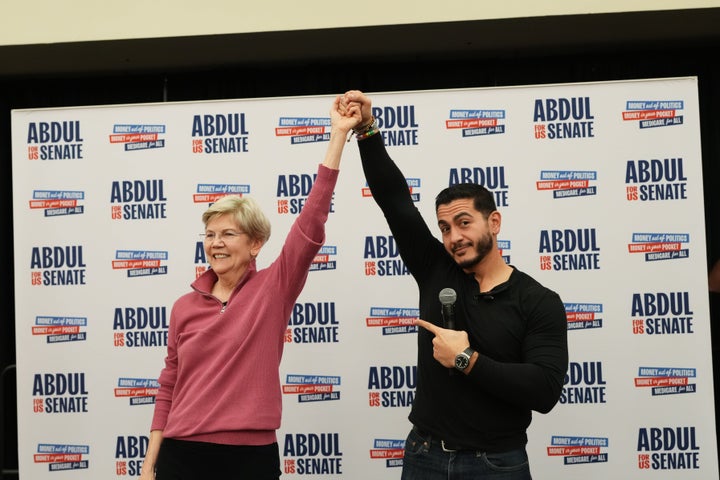
Following a significant midterm election, Democrats took control of both the House and Senate, marking a shift in the party’s focus. Progressives gathered in Washington to claim a central role within the Democratic Party.
Senator Elizabeth Warren highlighted the victory in various states, noting the emphasis on Americans’ economic concerns and the denouncement of Washington’s corruption. She emphasized the need to upend the “rigged economy.”
“In blue, purple, and red states like Texas, Kansas, and South Carolina, Democrats won by addressing economic pain and pledging to change the current system,” Warren stated during the Popular Mandate conference.
Across the political spectrum, Democratic candidates adopted messages focused on economic populism. They targeted corruption, corporate concentration, and the growing power of billionaires. According to attendees at the Popular Mandate conference, this broad progressive vision unifies various party factions.
“Economic populism is now the dominant campaign position in the party,” said Lindsay Owens, president of Groundwork Collaborative.
Senator-elect Abdul El-Sayed, reflecting on the campaign, emphasized people’s preference for power to remain with the populace rather than the wealthy elite. Leah Greenberg of Indivisible stated that many voters want to see an unrigged system.
With the largest electoral win since 1974, Democrats must demonstrate their commitment to addressing constituents’ needs. Owens stressed that candidates, regardless of their political spectrum, adopted economic populism in their campaigns.
The Popular Mandate conference focused on whether Democrats would govern with this economic focus. Senator Warren stated that Democrats need to actively fight for working people, even with President Trump in office.
Owens highlighted historical precedence for significant legislation during divided government, pointing to the Voting Rights Act of 1982 and other key laws. She urged Democrats to act decisively in areas like the Iran war funding and Medicaid.
“Red states, blue states, moderate candidates, Blue Dog candidates, progressive ones, they all ran on economic populism. The question now is, will they govern like economic populists?” Owens queried.
The strategy also involves making President Trump confront popular legislation, according to Elizabeth Wilkins of Roosevelt Forward. Democrats should push for bipartisan support to target consumer cost reductions by addressing issues like healthcare middlemen.
“Getting caught trying means, yes, breaking the filibuster now,” said Democratic strategist Brian Fallon. He encouraged creating situations where Trump is seen vetoing bills to highlight clear contrasts.
The agenda should include oversight and accountability, according to conference speakers. Representative Jamie Raskin stressed that investigations into Trump’s actions should highlight their impact on everyday Americans.
Wilkins and Fallon emphasized focusing on corruption tied to corporate power. They suggested that targeted investigations could reduce consumer costs.
Owens noted Moderna’s decision to keep COVID-19 vaccines free as an example of impactful oversight. State governments with Democratic trifectas could also address cost-of-living issues.
Elizabeth Wilkins stressed the importance of utilizing the electoral mandate effectively. “The biggest mistake would be to underdeliver,” she said.