
Democrats often promote themselves as the party that can enhance affordability for voters. Recent statements by party leaders suggest a focus on reducing costs, but many feel these claims lack substantiation.
Promises Versus Reality
Senate Minority Leader Chuck Schumer declared in January that Democrats would prioritize cost reduction if they gained Senate majority. Similarly, in February, the chair of the House New Democrat Coalition publicly committed to tackling the cost-of-living crisis.
Despite these declarations, some question the effectiveness of Democratic policies during Joe Biden’s presidency, where the Consumer Price Index rose significantly.
A Historical Perspective
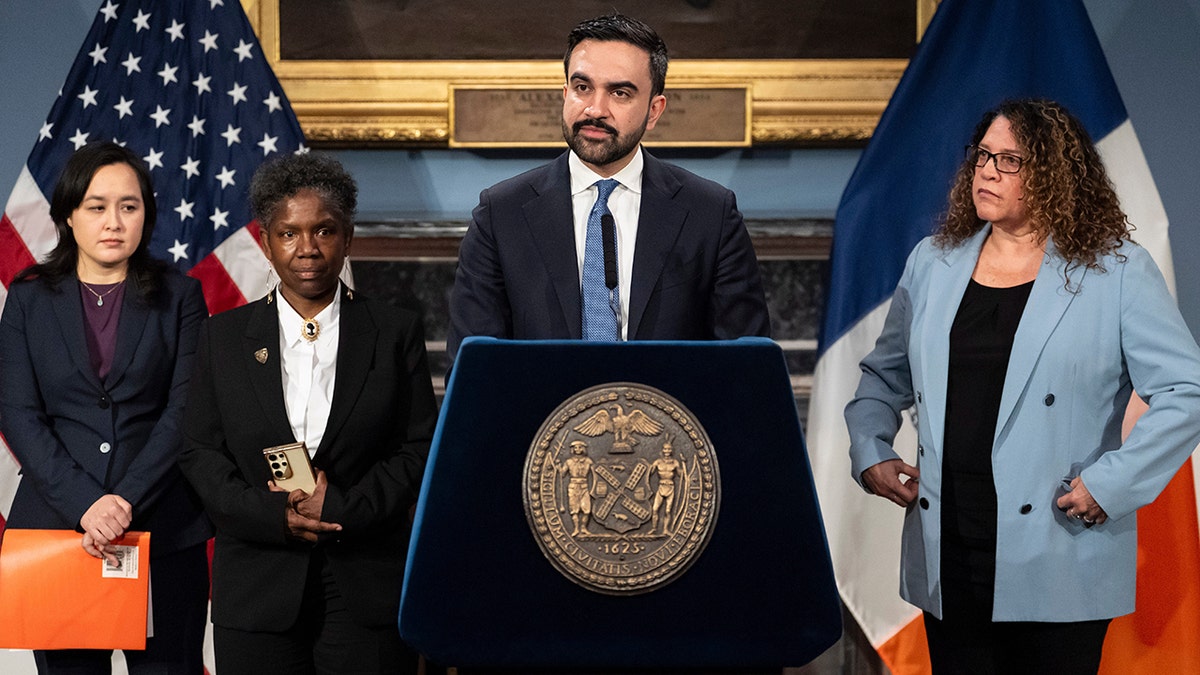
Winning the Democratic mayoral primary in New York City, Zohran Mamdani emphasized affordability, attributing success to New Yorkers’ desire for an affordable city. However, critics argue Democratic policies have historically made New York less affordable.
“Democrat-run cities and states are typically expensive due to certain policies.”
A CNBC study supports this, showing nine of the ten most expensive states have Democratic leadership, while Republican-led states remain more affordable.
Factors Influencing High Costs
Several factors contribute to these high expenses:
- Pro-labor rules, increasing wages and overall costs.
- Heavy regulation, causing project delays.
- Energy policies, raising electricity and gasoline prices.
- Reckless spending and high taxes, ultimately passed to consumers.
Popular states like Florida face rising costs due to their appeal and natural disasters. For instance, California stands out as the most expensive state, with housing and energy expenses being exceptionally high.
Costly Policies in Democratic States
Strict zoning laws and pro-union rules in these states drive construction costs higher. Meanwhile, high property taxes are transferred to renters. Although high wages seem beneficial, they can result in higher unemployment rates.
The unemployment figures highlight this issue, with top expensive states experiencing rates above the national average.
Affordable States
States like Missouri, Ohio, and Indiana offer lower living costs. These predominantly Republican states have policies that contrast sharply with those of Democratic states, resulting in greater affordability.
The words of the late Senator Daniel Patrick Moynihan resonate in discussions on this topic: “Everyone is entitled to his own opinion, but not to his own facts.” Voters should consider the policies that contribute to affordability when Democrats make cost reduction promises.
Context and policies shape affordability, and exploring these factors provides insights into the cost dynamics across states.