
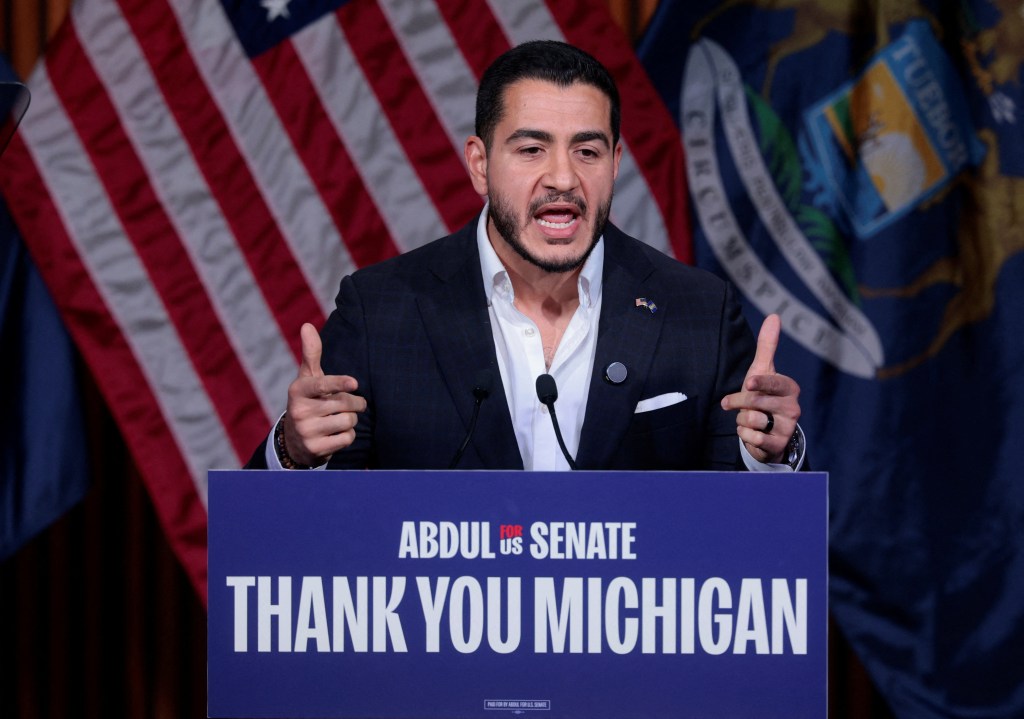
The recent elections have shifted political fortunes, with Democrats gaining ground at the expense of Republicans. Key figures in the Democratic Party have expressed their intent to capitalize on these wins.
Democrats Signal Intent
Newly elected officials, such as Michigan Sen.-elect Abdul El-Sayed and Minnesota Sen.-elect Peggy Flanagan, have signaled intentions to challenge Republican platforms aggressively. El-Sayed, in a victory speech, directly addressed Vice President JD Vance with sarcasm. Similarly, Flanagan indicated significant opposition to existing immigration policies.
Rep. Jamie Raskin (D-Md.) has prioritized actions like impeachment, clearly outlining an assertive approach. Threats have been made towards influential figures, with Scott Galloway labeling Elon Musk as a ‘traitor’ and suggesting severe consequences, highlighting the tensions between political ideologies.
Challenges and Overreach
The potential for Democrats to overreach and alienate voters remains a concern. Incoming House Speaker Hakeem Jeffries will face challenges in managing the varying factions within his party, which were largely kept under wraps during campaigns.
There have been fierce internal conflicts within the Democratic Party. The treatment of Haley Stevens post-defection in Michigan serves as a cautionary tale for those resisting a shift towards a more socialist agenda.
Republican Reflection on Losses
Former President Trump faces scrutiny for the electoral defeats, viewed by many as a referendum on his leadership. His favored candidates fared poorly, and exit polls indicated disapproval of his policies, with approval ratings as low as 38%. High prices and the Iran war were significant voter concerns.
Key figures like Newt Gingrich identified economic factors, such as gas prices, as critical issues influencing voter sentiment. He highlighted the economic strain on American households, underscoring widespread dissatisfaction with the status quo.
Impact of Economic Issues
Economic issues dominated campaign discussions. Maine Sen.-elect Troy Jackson, during campaign events, emphasized how the Iran war affected fuel costs, directly impacting household budgets. He pointed to the role of wealthy figures in exacerbating these challenges.
The Democrats skillfully used allegations of corruption, such as those involving Trump family members, to their advantage. These stories were highlighted consistently, shaping voter perception and bolstering Democratic narratives.
Future Directions for Republicans
Moving forward, Trump has opportunities to recalibrate strategies. Addressing the Iran conflict and recalibrating economic policies are suggested actions. Past presidents like Obama and Clinton navigated similar setbacks, achieving significant results through executive action.
Gingrich forecasts intense political competition, predicting numerous candidates will vie for nominations in the upcoming elections. The strategic positioning now can influence Republican prospects in 2028, preserving a legacy through potential victories.