
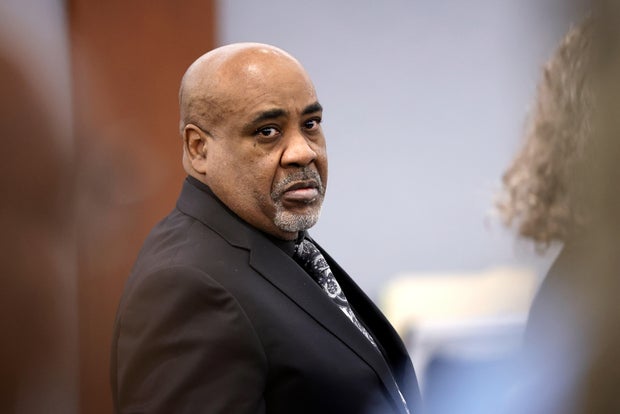
Michael Sanft, defense attorney for Duane “Keffe D” Davis, expressed concerns about the jury’s decision to convict Davis of first-degree murder in the 1996 shooting of Tupac Shakur. Sanft accused the jury of harboring “preconceived notions” against his client, suggesting they did not fully consider the evidence before arriving at the guilty verdict.
Sanft shared his surprise during an interview with CBS News, noting the jury took less than three hours to convict Davis. “My feeling is that they had preconceived notions, and those notions led to the conviction for Duane Davis,” he stated.
Davis was found guilty under Nevada law, which allows for conviction if a person aids in the commission of a murder. The prosecution argued that Davis obtained the gun used in the crime and planned the Las Vegas drive-by shooting on September 6, 1996, seeking retaliation for the assault on his nephew, Orlando “Baby Lane” Anderson.
Chief Deputy District Attorney Binu Palal accused Davis of “hunting” Tupac Shakur and Death Row Records co-founder Marion “Suge” Knight. Although Knight survived, Tupac was killed. Prosecutor Marc DiGiacomo labeled the case as “slam-dunk,” asserting there was no defense available.
Davis admitted during a 2008 interview with detectives that he gave the gun to Anderson, who then fired the shots. Anderson was never charged and died in an unrelated shooting later.
Sanft criticized Judge Carli Kierny’s decision to allow evidence of Davis’ gang affiliation and drug trafficking past, calling it “inappropriate.” He disagreed with the jury instructions that supported conviction based solely on Davis’ admissions, without other corroborating evidence.
Sanft explained that undermining Davis’ credibility was the only viable defense, given the reliance on Davis’ statements. He argued there was no evidence placing Davis in Las Vegas during the shooting. “There is no actual evidence that supported the conviction,” Sanft reiterated.
Davis faces a sentencing date of October 13, with the possibility of life in prison. Sanft plans to appeal the conviction, a process that could extend beyond a year.