
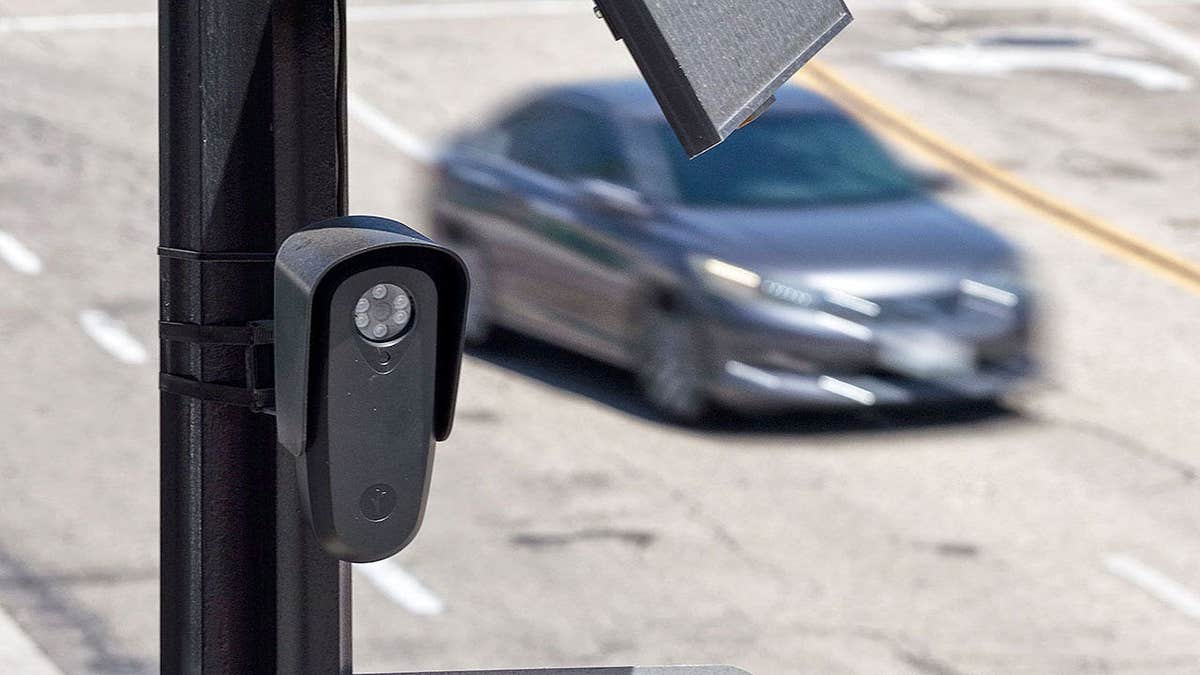
Knox County Mayor Glenn Jacobs has proposed a pause in the deployment of Flock surveillance cameras. His call was made during an appearance on ‘The Sunday Briefing.’ Jacobs raised concerns about the technology’s impact on privacy and safety. He believes it lacks adequate safeguards, which are necessary to align with constitutional principles.
Jacobs acknowledges that law enforcement needs tools to fight crime effectively. However, he cautions that Flock’s technology is more advanced than typical license plate readers. He argues that until proper regulatory frameworks are set up, these tools should not be widely deployed.
“This is about how these tools can be used appropriately to align with the Constitution,” Jacobs stated, noting the occurrence of abuses.
Currently, no federal regulations govern Flock cameras. The rules for license plate readers in Tennessee are outdated, last updated significantly in 2014, with a minor update in 2021. Jacobs emphasizes the need for constitutional conformity of these tools.
The popularity of Flock Safety cameras has grown immensely, with law enforcement, municipalities, and businesses using them. Approximately 80,000 to 100,000 Flock cameras are estimated to be in operation across the U.S. Flock claims presence in over 6,000 communities, collaborating with 1,000 businesses and 5,000 law enforcement agencies. This results in billions of vehicle scans monthly.
Flock Safety states that its data is automatically deleted after 30 days unless an agency decides to retain it longer. Despite these assurances, concerns persist regarding privacy violations. The accuracy of the surveillance system has been questioned, sparking debates nationwide. In West Virginia, the state’s Freedom Caucus seeks to ban the cameras due to Fourth Amendment concerns.