
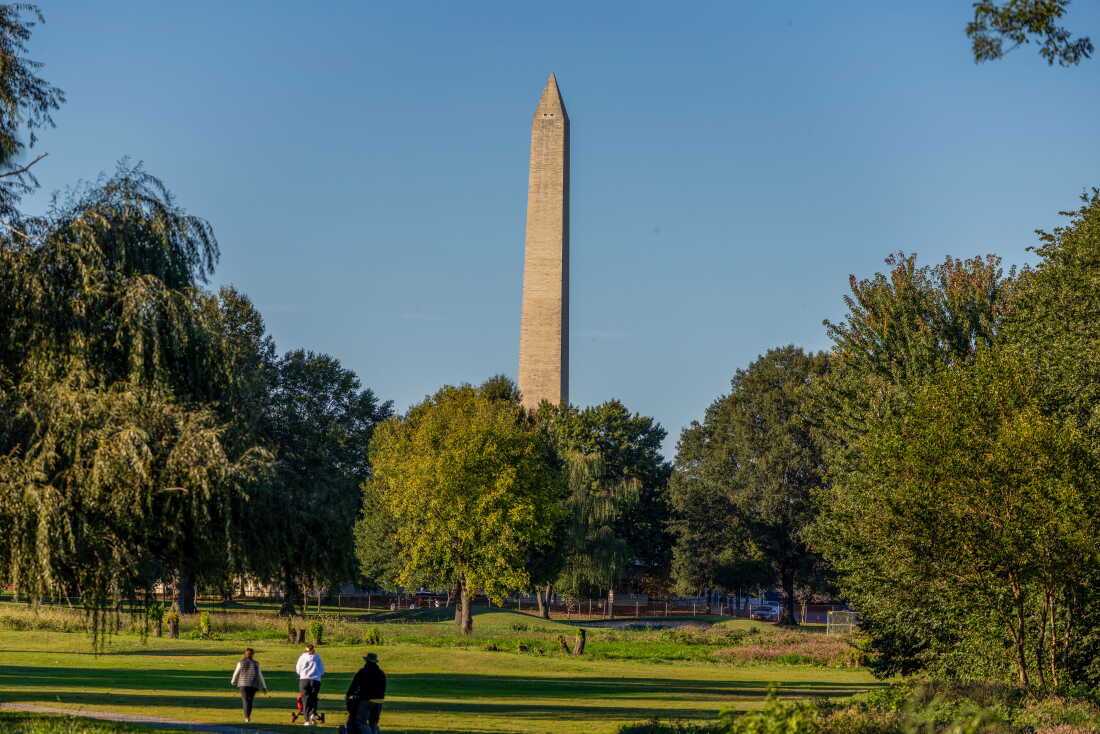
In October, discussions intensified regarding the renovation of East Potomac Golf Links. The National Park Service indicated plans to cut down over 500 trees as part of the Trump Administration’s renovation efforts. The situation escalated during a hearing where federal Judge Ana C. Reyes criticized administration lawyers for defying a court order by proceeding with significant changes to this historic golf course in Washington, D.C.
Previously, Judge Reyes had paused any government actions related to the project. This came in light of revelations about misleading information given to the court. President Trump had publicly shared detailed plans for a new golf course. Reyes questioned the credibility of reports she received from the government.
“On one side, the President claims there is a definite redesign plan,” Judge Reyes remarked. “On the other, officials insist there’s no final plan. Which statement is accurate?” Trump’s aim is to transform the three current courses into a single championship course. This has led to legal challenges by a preservation group and individuals concerned about potential cost increases and access limitations to a public facility.
Located between the Potomac River and Washington Channel, the East Potomac Park Golf Course is notable for its historical significance. In May, the judge demanded proper notification for any large-scale construction activities, including tree removals. Despite this, officials revealed plans to remove up to 529 trees, proceeding without adequate notice and starting the work almost immediately.
During a prolonged emergency hearing, Judge Reyes criticized the lack of notice, rejecting the explanation that tree removal was part of routine maintenance. She expressed her dismay, enforcing a temporary halt on activities.
I have given the government every single benefit of the doubt that it would not do precisely what it has done.
Efforts to remove Judge Reyes from the case, with claims of bias, were unsuccessful. The White House’s request was declined. Meanwhile, Trump, on Truth Social, criticized Reyes, insisting renovation does not require court approval and plans would proceed immediately. This contradicted a Justice Department filing that described the plans as incomplete.
The controversy touches on deeper community concerns about access to affordable recreational areas. The site’s history as one of the first desegregated public golf courses adds to its significance. The public fears losing access to this beloved area, frequented by various outdoor enthusiasts.
While the White House cites a 2019 preservation directive as justification, opponents argue Trump’s renovation plans exceed this. The 2019 guidelines focus on removing only non-native, invasive plants, unlike the extensive changes being considered.
This instance exemplifies President Trump’s efforts to bypass judicial processes for his initiatives, including other significant developments in Washington, D.C.