
A webpage on Harvard University’s website, aimed at providing resources for parents of students, includes a section titled “Anti-Racism Resources.” This section lists books that have sparked controversy due to their authors’ perceived anti-White rhetoric and acceptance of discrimination against White people.
Among the featured books is “How To Be An Anti-Racist” by Ibram X. Kendi. Kendi, whose original name is Ibram Henry Rogers, is known for making statements that some see as inflammatory toward White people. In his book authored in 2019, Kendi suggests that discrimination is acceptable if it promotes equity, arguing, “The only remedy to racist discrimination is antiracist discrimination.” He views past, present, and future discrimination cycles as tools for achieving equity.
Another highlighted book is Robin DiAngelo’s “White Fragility,” which delves into the discomfort some White people feel when discussing racism. Released in 2018, DiAngelo’s book claims, “Racism is a White problem. It was created by White people, and it benefits White people.” She further states that White people are always racist, emphasizing that the question should focus on how racism manifests in situations.
“White people are socialized to feel that they are inherently superior because they are white,” DiAngelo wrote.
The webpage also suggests “Me and White Supremacy” by Layla Saad, “Raising White Kids” by Jennifer Harvey, and “The New Jim Crow” by Michelle Alexander as recommended readings.
A Harvard spokesperson told Fox News Digital that the site was created by staff over five years ago, lacking official endorsement from the Faculty of Arts and Sciences. The resources are found under the “Information for Parents” tab, including tools for teaching anti-racism to children from infancy. For example, Kendi’s “Anti-Racist Baby” aims to introduce young children and adults to antiracism concepts.
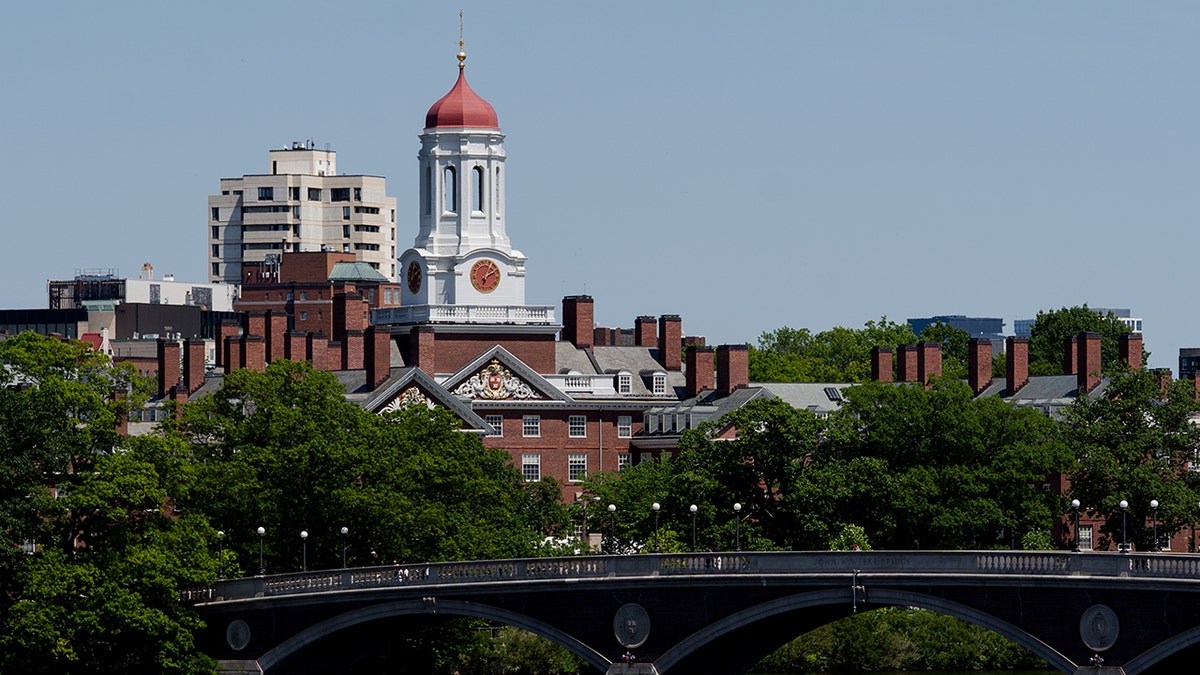
Harvard has recently confronted accusations of anti-White racism within its staff. Gregory Davis, previously the resident dean of Dunster House, faced removal in 2028 following revelations of anti-White and anti-police social media posts. Davis’s posts, made mostly between 2019 and 2024, supported rioting and looting as legitimate protest forms. During the unrest following George Floyd’s death in 2020, Davis commented, “Rioting and looting are parts of democracy just like voting and marching.”
Further, during the period when President Donald Trump tested positive for COVID-19, Davis expressed indifferent sentiments toward those who wished him ill.
These controversies highlight the ongoing debate over the balance and impact of antiracism resources in academic settings.