
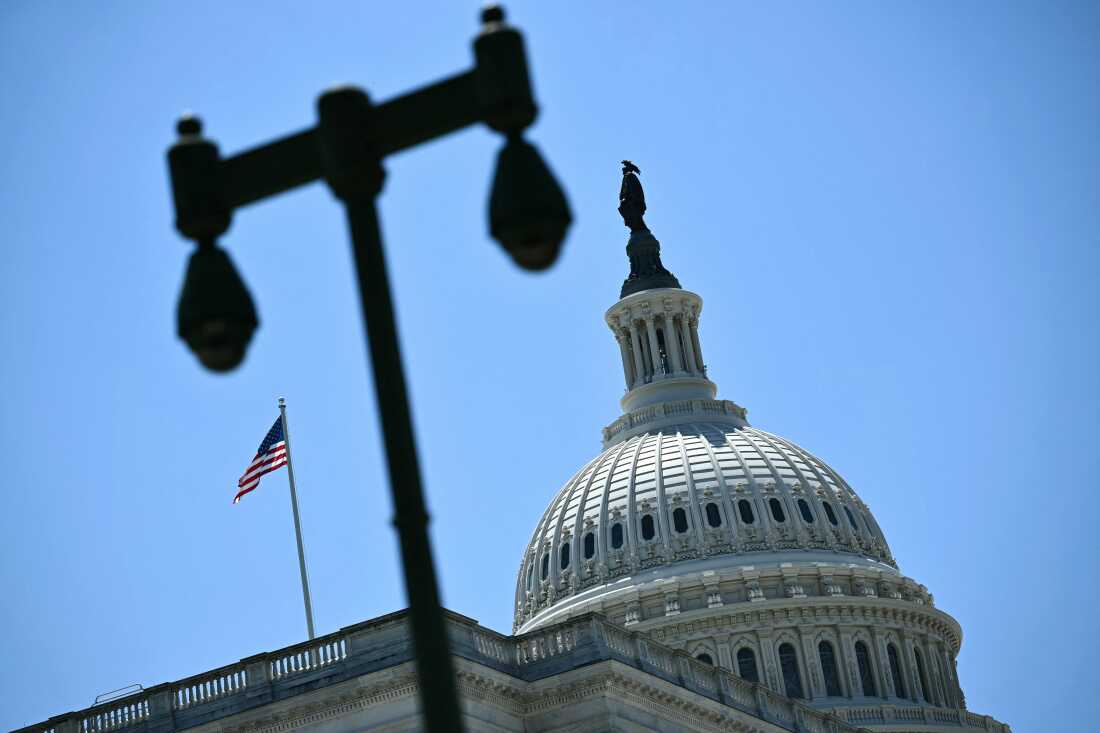
Efforts in Congress to renew a significant surveillance law, Section 702 of the Foreign Intelligence Surveillance Act, have stalled. The House has left Washington, D.C., for a recess without reaching a resolution. This provision allows U.S. intelligence agencies to gather electronic communications from foreigners outside the United States. Over 60% of the president’s daily intelligence briefings depend on this data.
Implications of the Expiration
Even if Section 702 lapses, intelligence collection continues under its previous annual court authorization. Companies that provide electronic communications must still comply by turning over data to intelligence agencies. However, there’s a concern that some companies might challenge this requirement in court, potentially pausing data collection during legal proceedings.
Experts suggest these challenges might not succeed. Yet, any pause in data collection poses risks, especially with major events like America’s 250th anniversary and the World Cup on the horizon. Glenn Gerstell, former general counsel at the National Security Agency, remarked that Congress could have avoided these issues by simply passing an extension.
Diverging Perspectives
Elizabeth Goitein from the Brennan Center asserts that companies must comply with the government’s requests even during a lapse. Non-compliance could lead to significant financial penalties — up to $250,000 per day. She believes any legal challenges will resolve swiftly, given the FISA court’s previous reviews of the statute. Goitein also advocates for updates to the law to enhance privacy and civil liberties protections.
Reasons for Legislative Inaction
Section 702 has been controversial since its inception, with debates often centered on privacy concerns. While meant to target foreign nationals, the collection process sometimes captures Americans’ communications. Reform advocates in Congress push for additional measures, including requiring warrants before law enforcement accesses Americans’ information. Disagreements over these reforms have led to temporary extensions.
A potential three-year extension with moderate reforms was in progress. However, President Trump’s nomination of Bill Pulte as acting director of national intelligence caused a breakdown in negotiations. Pulte’s nomination raised concerns among Democrats and some Republicans who fear the misuse of FISA information.
Reactions and Future Steps
The nomination led to criticism from key figures on both sides. Senator Mark Warner described Pulte as unqualified, while House Democrat Hakeem Jeffries criticized him harshly. Even Republican leaders expressed apprehension about politicizing the position of Director of National Intelligence.
Efforts to extend Section 702 failed in Congress. The Senate is set to reconvene next week, but the House will not return until later in June. Meanwhile, President Trump announced Jay Clayton as a permanent nominee for the director of national intelligence position. The timeline for Pulte’s potential temporary appointment remains unclear.