
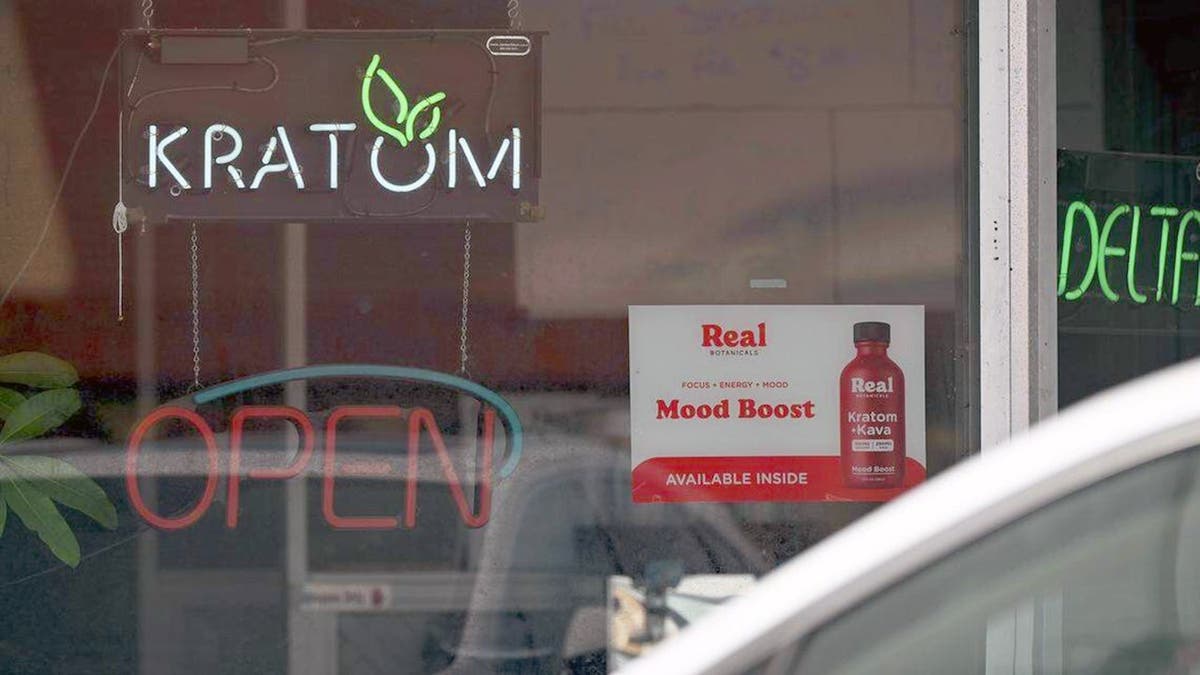
The deaths of two University of Mississippi students have brought renewed attention to the potential health risks of kratom. The students died at separate campus locations, and investigations led authorities to recover packaged kratom bought from a retail store. However, it remains unconfirmed if the substance contributed to their deaths.
Kratom’s Effects and Risks
Kratom, often marketed as a natural option for pain relief or opioid withdrawal, can pose serious health risks. According to Dr. Marc Siegel, Fox News senior medical analyst, kratom acts as a stimulant at low doses but can mimic opioid properties at high doses, potentially causing heart arrhythmias or respiratory issues.
Jessica Steinman, chief clinical officer at No Matter What Recovery in Los Angeles, notes kratom is commonly sold in storefronts, smoke shops, gas stations, and health food stores. It is often marketed as an energy booster, leading some to misuse it by consuming large amounts.
The substance affects opioid receptors in the brain, potentially leading to sedation and respiratory depression. Steinman also warns of kratom’s addictive potential.
Concentrated and Enhanced Kratom Products
Traditional kratom products typically contain lower active compound levels. However, newer products like 7-OH contain 7-hydroxymitragynine, a potent opioid-related compound. These products are often concentrated or enhanced for stronger effects. Regulations are tightening around these enhanced products due to their increased risk factors.
Kratom Use Among Young People
Steinman suggests that increased kratom use among young people may stem from social media influence or peer recommendations. Some students might use kratom for its stimulating effects to stay alert while studying, or for its calming effects to avoid dealing with stress or anxiety. Misuse and combining kratom with substances like alcohol or benzodiazepines can significantly increase health risks.
Health Concerns and Treatment
Users experiencing slowed breathing or excessive drowsiness should seek medical help immediately. Withdrawal can occur if kratom use is reduced or stopped abruptly, sometimes leading to seizures.
Steinman responds to claims of kratom’s safety due to its natural origin by emphasizing that natural substances are not inherently safe and can be addictive.
Industry Response
Dallas Vasquez, CEO and co-founder of Mitra9 Brands, underscores the difference between traditional kratom products and those with enhanced 7-OH compounds. The company’s products contain botanical kratom extract from the natural leaf, without isolated or synthetic components.
Products carry labels advising adult consumers not to exceed recommended servings, consult physicians before use, and avoid combining with alcohol. They agree with stronger national standards for testing and labeling to ensure consumer awareness and safety.
Vasquez recognizes the variable nature of the kratom market, with products ranging from standardized to those containing concentrated substances, highlighting the necessity for regulatory actions to protect consumers.