
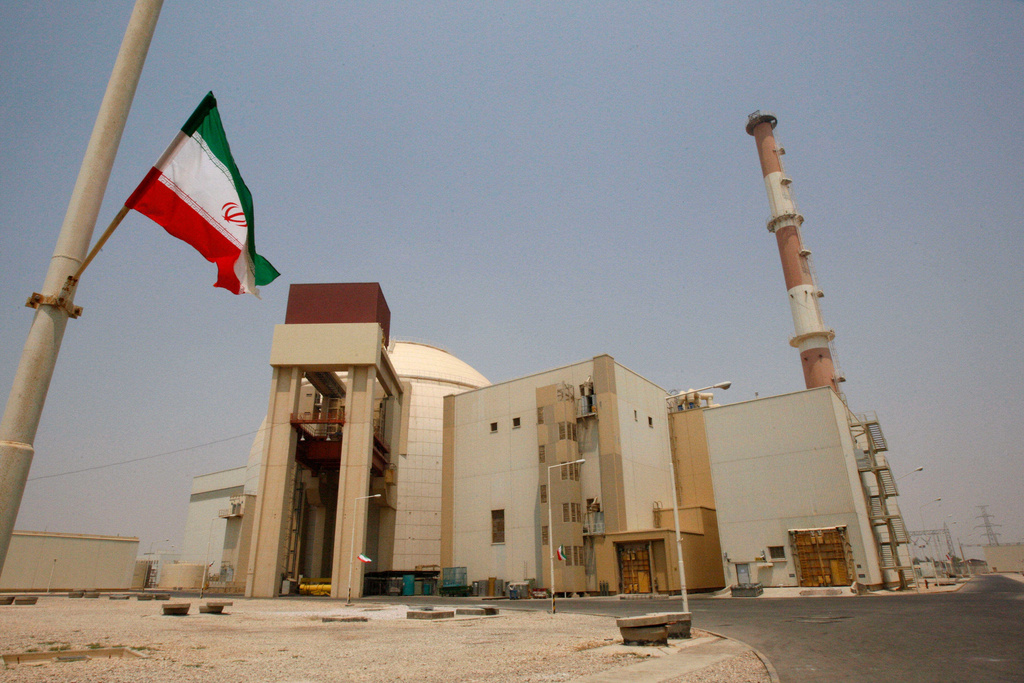
As tensions with Iran shift between conflict and diplomacy, the primary aim remains clear: preventing Iran from developing a nuclear weapon. The focus on uranium weapons has often overshadowed the potential threat from plutonium within Iran’s Bushehr nuclear power plant. This is a significant issue that demands attention.
The Bushehr reactor has operated for over 15 years, generating plutonium as a byproduct. This substance, stored in spent fuel, poses a risk since Iran could potentially use it to create nuclear weapons. Extracting plutonium from spent fuel is not the easiest method, but given the constraints on Iran’s nuclear ambitions, it is a viable option.
Originally, Russia, which built the Bushehr reactor, intended to remove the spent fuel. This plan fell through, leaving over 210 tons of spent fuel, containing more than 2 tons of plutonium, within Iran. This amount could produce over 200 nuclear weapons, a stark contrast to the lesser threat from Iran’s enriched uranium stockpile.
“Proliferating states using designs of intermediate sophistication could produce weapons with assured yields substantially higher than the kiloton range.” – U.S. weapon laboratories
Addressing this issue is challenging. Military action is not feasible as bombing the site would lead to widespread radioactive fallout. Special operations are similarly impractical due to the hazardous nature of handling radioactive fuel. This situation should not be overlooked, as reprocessing technology might allow for the extraction of plutonium even from reactor-grade material.
Iran has demonstrated a basic capability to reprocess spent fuel. Setting up a reprocessing facility could be within Iran’s capabilities and is an approach taken by countries like North Korea. International oversight is crucial to detect any covert activities. Yet, inspections by the International Atomic Energy Agency (IAEA) have been minimal, with only one visit in June. This lack of regular monitoring could allow for unnoticed diversion and processing of plutonium.
A viable solution involves implementing real-time IAEA surveillance through cameras and sensors. More than 1,000 nuclear sites worldwide employ this technology. Unfortunately, such measures were absent in the 2015 nuclear deal with Iran, and subsequent requests for this oversight were rejected by Iran.
The U.S. must now push for these surveillance measures as part of any future agreement. Furthermore, agreements should mandate the removal of spent fuel once safe to transport. Financial assistance from the Gulf States and the U.S. could facilitate this. Russia previously offered to handle the fuel, and Kazakhstan might do so as well.
The response of Iran to these demands will influence regional dynamics. Iran’s agreement is uncertain, yet persistent resistance highlights the necessity of such measures. The precedent set by the U.S. dealings with Iran will be closely watched by neighboring countries considering nuclear programs of their own.
R. Scott Kemp, from MIT, and Stephen Rademaker, a former assistant secretary of state for international security, emphasize the importance of addressing this challenge now.