
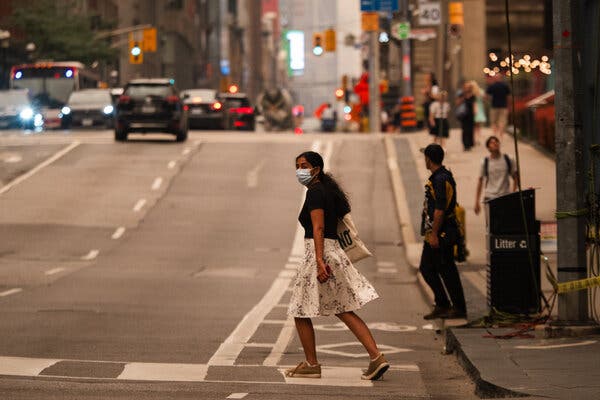
Days marked by extreme heat and pollution present elevated health risks. These conditions can lead to respiratory problems and other health concerns.
Rising Temperatures and Smoke
Temperatures are expected to rise and coincide with wildfire smoke across parts of the United States this week. This combination poses potential health threats. As climate change increases global temperatures, days characterized by excessive heat and poor air quality are becoming more common.
Factors Contributing to Health Risks
Several elements are magnifying health risks during hot days:
- Extreme heat: It can trap polluted air, preventing it from dissipating.
- Climate change: This has intensified wildfires, releasing smoke into the atmosphere. It has also contributed to deteriorating air quality in various U.S. regions.
- Environmental regulation changes: The Trump administration has rolled back regulations, weakening emissions limits on power plants and vehicles. This could lead to increased levels of pollutants such as carbon dioxide and sulfur dioxide. Some coal plants were ordered to remain operational beyond their planned retirement, contributing to prolonged pollution.
- Coal emissions: They increased last year in the U.S., reversing years of decline.
Impact on Public Health
The combination of heat and pollution can significantly affect public health. Experts assert that these environmental challenges have large-scale health implications.