
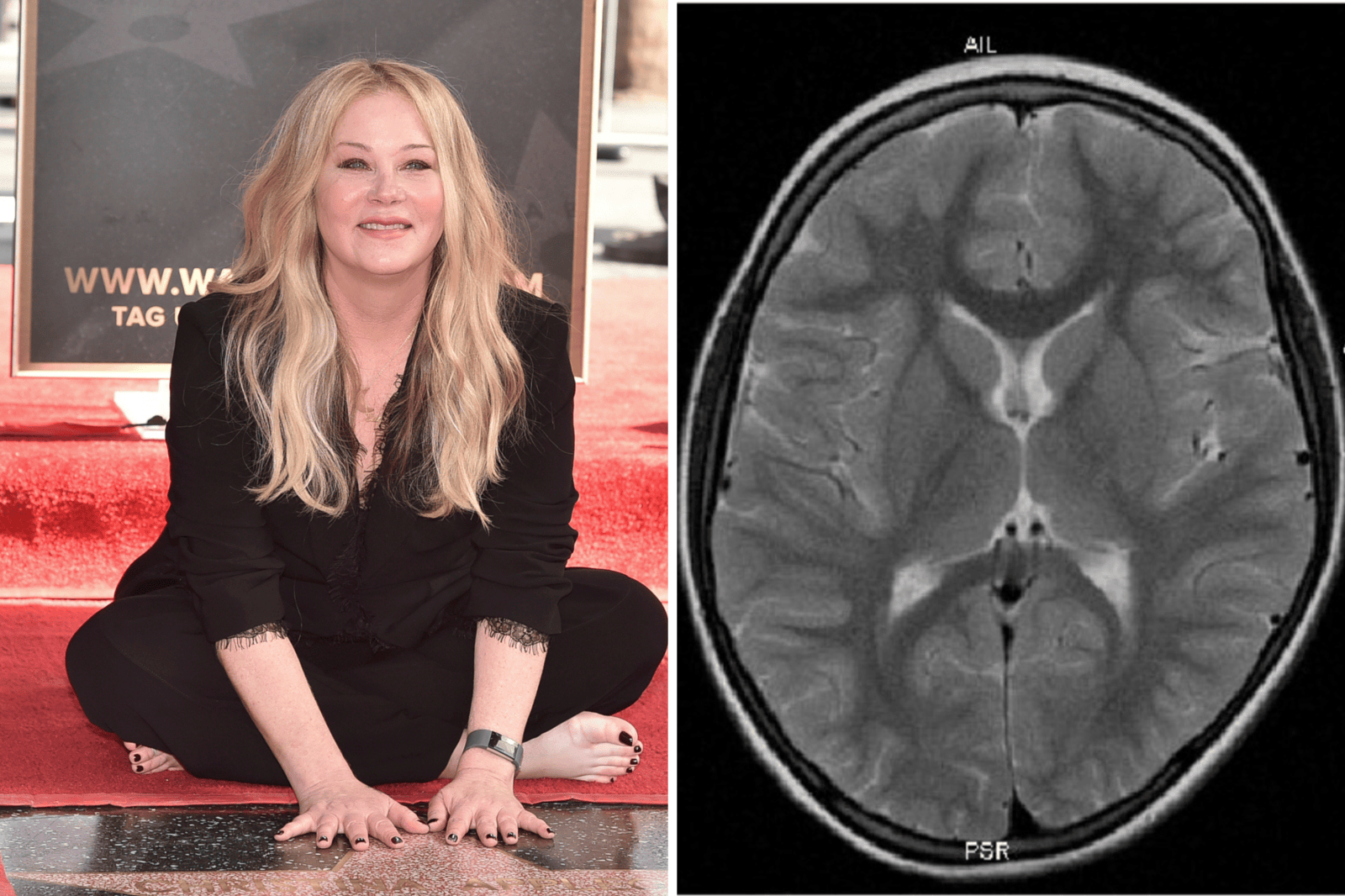
In a recent podcast episode with actress Jamie-Lynn Sigler, Christina Applegate revealed a significant update regarding her health. Initially diagnosed with multiple sclerosis (MS), Applegate disclosed that she no longer has this diagnosis, although her symptoms persist without improvement.
Applegate, known for her role in Dead to Me, shared on her podcast MeSsy that a doctor informed her she didn’t have MS, leaving her uncertain about her condition. The diagnosis change hasn’t alleviated her symptoms, which in some respects have worsened.
You don’t get misdiagnosed and then suddenly feel better. If anything, I’ve gotten worse.
Her situation sheds light on the challenges of accurately diagnosing MS, an autoimmune neurological disorder with variable symptoms.
Understanding MS Diagnosis
Diagnosing MS remains complex, as no single symptom or test can definitively confirm the condition. The National Multiple Sclerosis Society explains that clinicians look for evidence of central nervous system damage and may need to identify lesions, find specific proteins in spinal fluid, or confirm damage over time.
Doctors must eliminate other potential diagnoses using a patient’s medical history, neurological examinations, MRI imaging, and cerebrospinal fluid analysis. The McDonald criteria guide these diagnostic processes, with revisions aimed at improving accuracy. Misdiagnosis remains a significant concern, with studies indicating potential misdiagnosis rates up to 19%.
Applegate’s Health Journey
Applegate publicly addressed her original MS diagnosis in 2021. She described ongoing symptoms such as numbness, balance issues, and tingling limbs. Despite the diagnosis change, her daily life remains affected. She uses a cane and wheelchair to assist with mobility.
The emotional impact of the change is notable. Applegate expressed feeling as though she had let people down, yet remains engaged in her health journey with continued medical evaluations.
Complex Nature of MS
Dr. Philip De Jager emphasized the intricacies of diagnosing MS. He urged patients to seek multiple professional opinions, especially from specialized MS centers, to ensure accurate diagnosis and appropriate care plans.
The National Multiple Sclerosis Society noted the importance of continued advancements in diagnostic research and criteria. Missed or incorrect diagnoses can prolong patient struggles with symptoms and hinder getting proper treatment.
Ultimately, Applegate’s story highlights the difficulties many face in understanding and diagnosing complex health conditions like MS. Her openness about her journey offers support to others navigating similar challenges.