
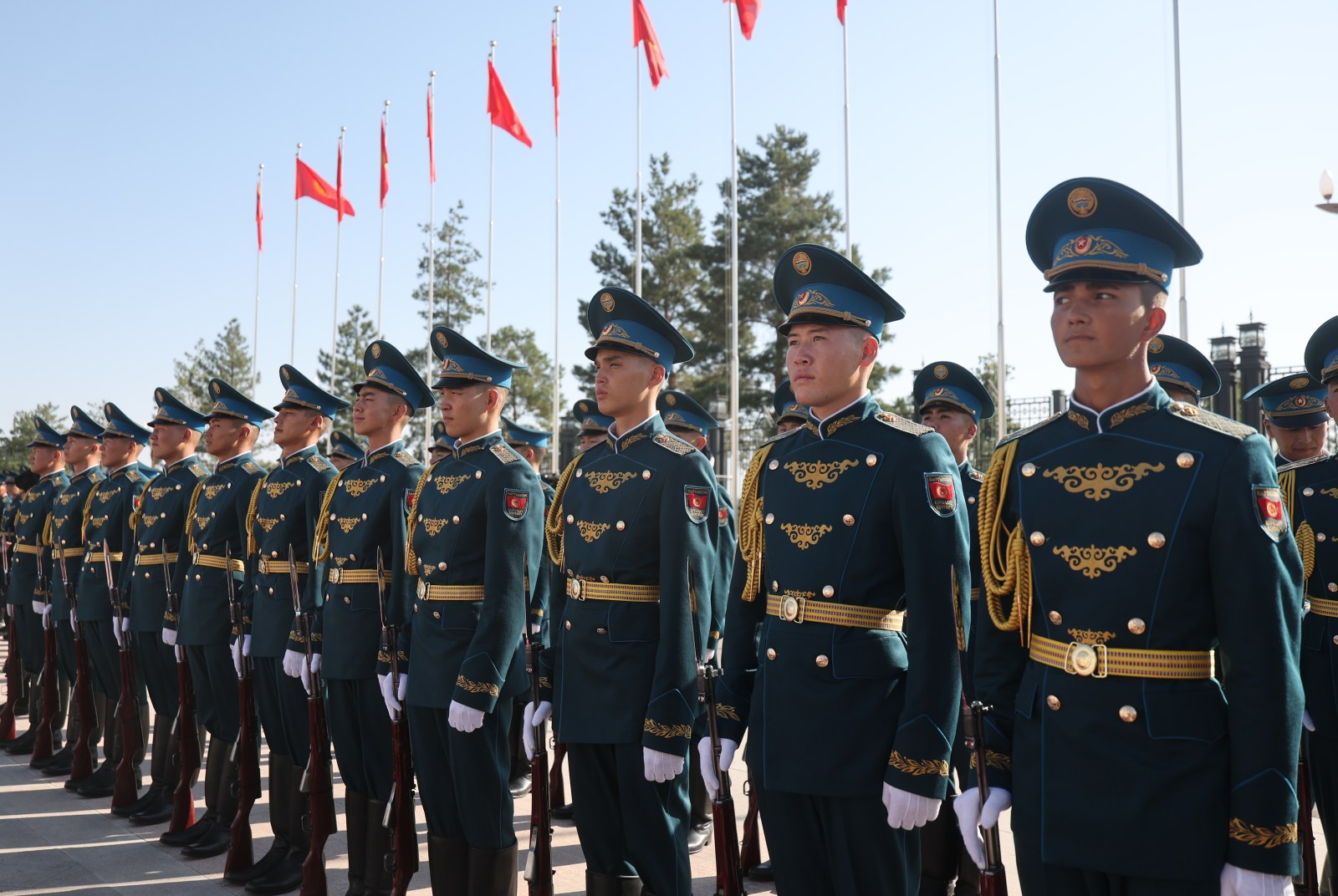
A severe humanitarian crisis is unfolding at the Nepal-Tibet border. While a matter of priority in many countries, it does not seem to be a focus for China. Instead of addressing it, Xi Jinping has traveled west to Kyrgyzstan to assert his leadership role within the Shanghai Cooperation Organization (SCO).
This year, the SCO marks its 25th anniversary with a summit in Bishkek, Kyrgyzstan. Attendees include Vladimir Putin of Russia, Narendra Modi of India, and Iran’s President Masoud Pezeshkian. Xi Jinping is expected to engage with these leaders. His presence at the summit underscores his intention to project influence in regional and global matters.
Xi’s itinerary has included meeting various world leaders over the past year, such as those from major Western countries and President Donald Trump. This summit prepares Xi for a forthcoming high-profile visit to the United States. These diplomatic efforts align with broader objectives to bolster China’s standing on the world stage.
Focus Beyond America
The SCO, originally named the “Shanghai Five,” was created post-Cold War to address border disputes. China’s participation, especially with Russia, which resolved territorial tensions on paper in 2008, is vital in this context. Initially founded in 2001, the SCO serves as a platform for grand strategy by its large, America-skeptic member states. For Xi, it is an opportunity to advance initiatives like the Global Security Initiative and promote the Chinese yuan’s international use.
Smaller member states, such as Kyrgyzstan, leverage the SCO to balance Russia’s historical influence in Central Asia by engaging Chinese strategic interests. This dynamic creates unease for Putin, who prioritizes other strategic goals. Putin, who once engaged closely with the former Group of Eight, now finds himself navigating alliances with authoritarian leaders.
India plays a critical role in this complex geopolitical landscape. As a nuclear power coveted by both global blocs, India strives to maintain its strategic autonomy. Recent talks between India and China, led by India’s national security adviser Ajit Doval and Chinese Foreign Minister Wang Yi, underscore their desire to ease border tensions in the Himalayas.
Comprising 10 member states, the SCO represents more than 40% of the world’s population and a quarter of its GDP. Though varied in political systems compared to Western counterparts, the SCO aims to present itself as an alternative to Western alliances.
Xi Jinping’s Strategy
There are skeptics about the SCO’s ability to counteract the influence of Western powers. Internal conflicts, such as those involving Russia, Iran, India, and Pakistan, pose challenges to unity. However, these nations are establishing alternative trade routes, such as those around the Caspian Sea, reducing reliance on vulnerable sea routes controlled by the U.S. Navy.
China commands significant economic influence within the SCO. It was the leading trade partner for eight of the other nine members last year and stands strong in a trade war against the U.S. The 2023 summit focuses on solidifying narratives and supporting Iran against Western sanctions. On his upcoming U.S. visit, Xi will position himself as the leader of the anti-Western coalition.
In a broader strategy, Xi demonstrates domestic control by restructuring influential bodies at home, which he highlights during his international travels. His message to President Trump emphasizes a stable and orderly China, contrasting with current challenges in the U.S.