
China’s Espionage Tactics
China has a unique approach to espionage, where every citizen and organization has been legally required to support the state’s intelligence efforts since 2017. This mandate underscores China’s comprehensive strategy in intelligence gathering. Their techniques have evolved over time, especially after dismantling a major CIA spy network over a decade ago.
Espionage Activities in the U.S.
Christine Fang, a volunteer on political campaigns in California, exemplified traditional espionage methods like using sex, money, and power. She targeted politicians, including former U.S. Congressman Eric Swalwell, though unsuccessfully. Despite her fleeing amid an FBI investigation, espionage continues.
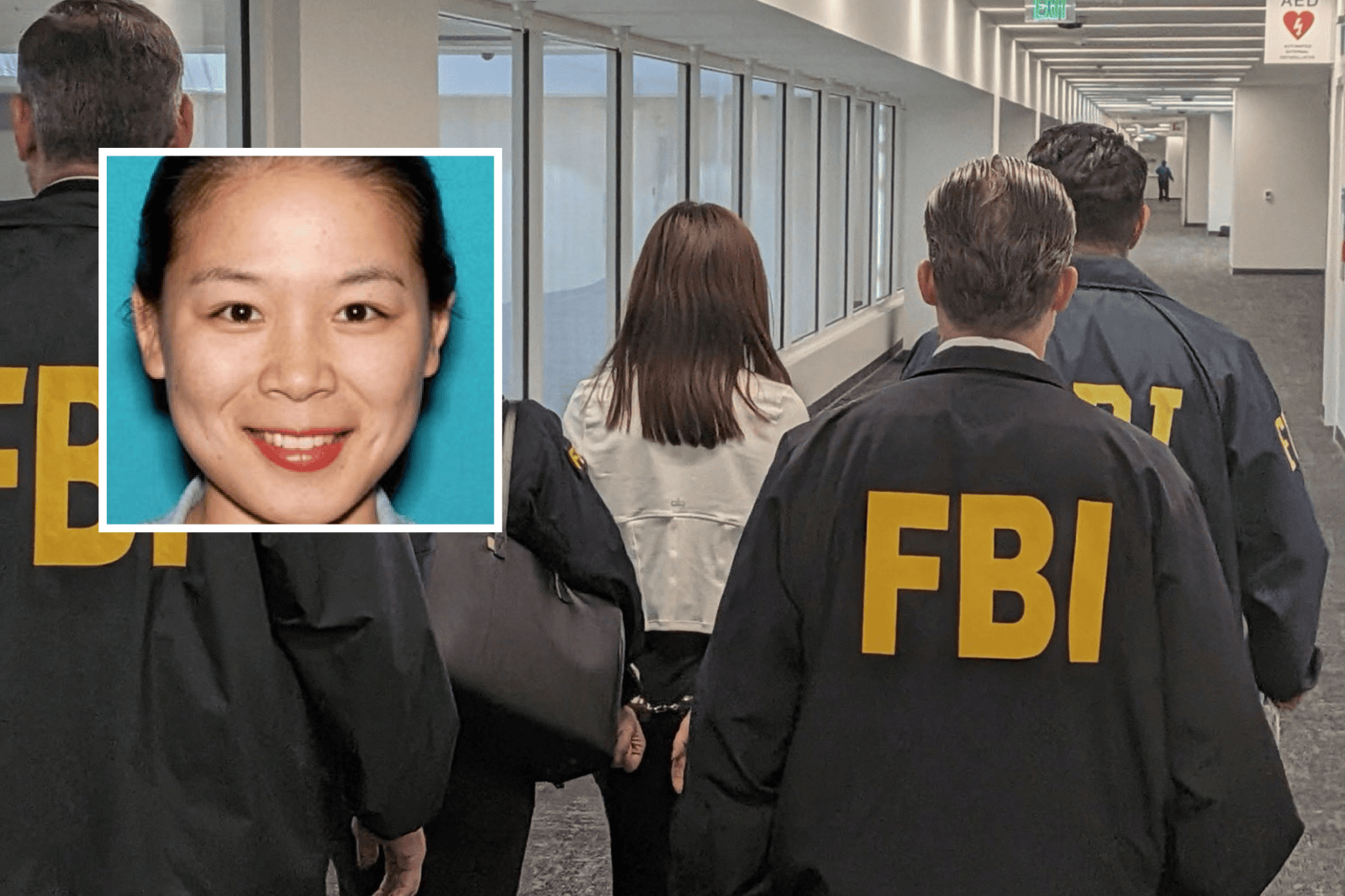
Recently, Wanying Zhang, a realtor known as ‘Heather’, was arrested while attempting to leave for Shanghai. The FBI accused her of being an unregistered agent for China. Zhang, a naturalized U.S. citizen, has connections with Chinese intelligence service through her education at the University of International Relations in Beijing.
Zhang’s Alleged Missions
Zhang was reportedly tasked with surveillance on senior Taiwanese political figures, specifically the family of Taiwan’s President. This was a part of broader espionage activities planned by her former classmate and overseen by a handler from the Ministry of State Security (MSS).
On September 1, 2025, Zhang and an accomplice traveled to Seattle to gather intelligence on the relatives of Taiwan President Lai Ching-te. The court documents detailed photos and license plate numbers sent back to China. Her activities were observed by a neighbor’s security cameras and checked against electronic evidence from her iCloud account.
Legal Proceedings and Implications
FBI Director Kash Patel emphasized the brazenness of espionage at Zhang’s arrest, indicating attempts to leave U.S. soil after being suspected of espionage for the People’s Republic of China. Zhang faces charges under U.S. law for acting as an unregistered foreign agent, which could lead to a 10-year imprisonment if convicted. She remains innocent until proven guilty.
China’s Perspective
The Chinese government denied involvement or knowledge of Zhang’s activities, casting doubts over the narrative presented by U.S. authorities. Despite incidents like the loss of a surveillance balloon over U.S. territory, China continues to pursue various espionage methods including enlisting private individuals and affiliated groups for intelligence tasks.
Challenges and Implications for the U.S.
Beijing exploits legal complexities within the U.S. system, which poses challenges for addressing threats that fall outside traditional espionage activities. China’s interest in Taiwan is clear; it considers Taiwan part of its territory and has aimed to undermine its defense mechanisms.
If leverage over Taiwan’s President were sought, intelligence regarding his family could be invaluable. Holt’s complaint indicates potential motives behind surveillance but highlights the abnormality of such espionage within U.S. borders.
Even as individuals like Fang disappear from the scene, China’s espionage efforts continue unabated. American defense strategists warn of adverse impacts on U.S. interests if Taiwan were compromised in potential geopolitical conflicts.