
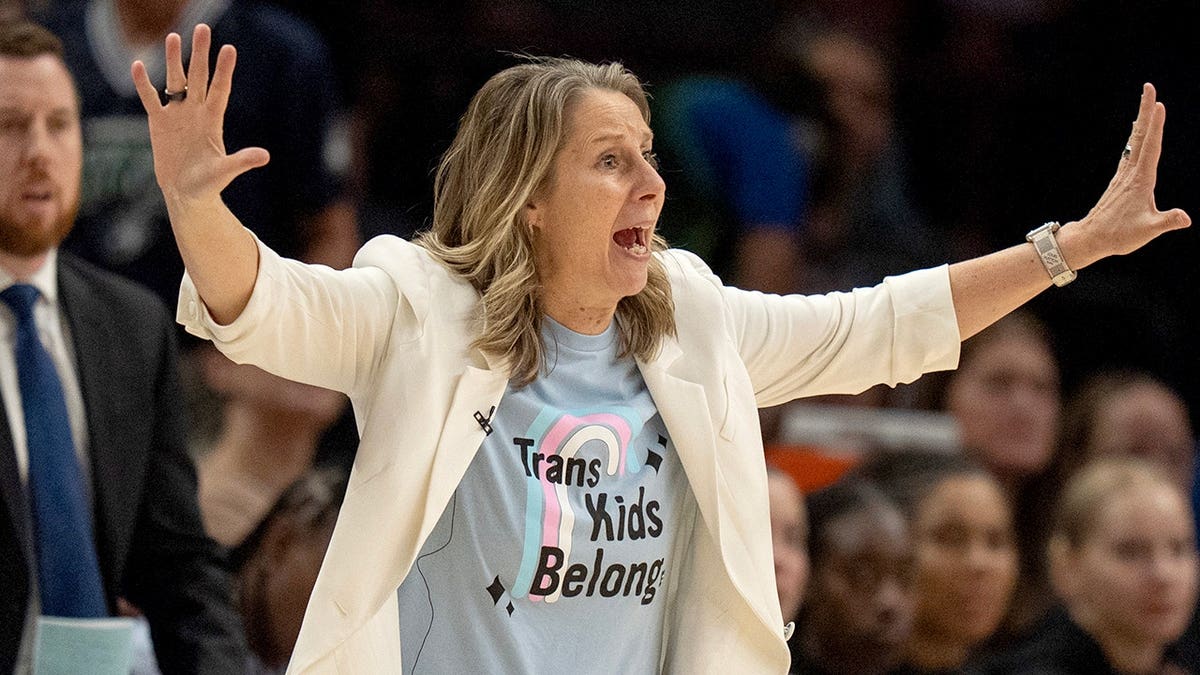
Minnesota Lynx coach Cheryl Reeve has added another WNBA Coach of the Year award to her collection. She received 40 of 74 votes from a national panel of sportswriters and broadcasters, marking her fifth time winning the honor. Her team finished with the league’s best record at 33-11, supporting her selection based on basketball achievements.
Reeve has publicly advocated for the inclusion of males in women’s sports, bringing her political views into the spotlight alongside her coaching accolades. An ongoing debate within women’s basketball media, which is largely left-wing, often celebrates progressive activism and may view dissent as unwelcome.
While Reeve’s coaching success is evident, the voting process and media culture raise questions. Her team had a strong season, yet in 2025, with a slightly better record of 34-10, she received just two votes. Comparing seasons shows that the best record doesn’t automatically secure Coach of the Year.
Reeve also managed her team through challenges like Napheesa Collier’s extended absence. Additionally, benefiting from Rookie of the Year Olivia Miles’ entry in the 2026 WNBA Draft positively impacted her team’s performance. Decisions by other teams during the draft, such as the Dallas Wings choosing Azzi Fudd, altered outcomes significantly.
The discussion around Reeve’s politics parallels the broader debate on transgender inclusion in sports. Natalie Nakase, head coach for Golden State and last year’s award winner, similarly supports inclusivity. Her views reflect a common stance among those pushing for broader acceptance of transgender athletes in female categories.
Reeve has portrayed disagreements with her stance as indicative of broader societal issue. She has accused critics of wanting transgender people not to exist, a strong accusation that diverges from the core argument about sports categories.
The argument centers around whether male athletes should compete in female categories, which Reeve interprets as an existential threat to transgender rights. Critics maintain that supporting female-only sports categories isn’t synonymous with hatred or exclusion.
Reeve’s advocacy includes emotional appeals, hinting at life-or-death stakes for transgender individuals. Anecdotal gratitude, like thanks from parents, doesn’t replace scientific evidence. Arguments for gender-affirming care often impact perceptions, but studies show mixed outcomes concerning mental health benefits.
Concerned parents advocating for female-only spaces face accusations of hatred. Reeve’s rhetoric paints critics as opponents of transgender existence, discouraging discussion through framing dissent as malicious.
Emotional arguments sometimes overshadow evidence-based discourse. Studies indicate that psychiatric needs persist after medical transitions, challenging claims from advocates of gender-affirming interventions. Critical conversations should focus on evidence rather than emotional appeals.
Reeve criticizes opponents, labeling them as hateful without directly addressing their concerns. Her advocacy for inclusivity suggests compassion, yet dismisses opposition as bigotry. This approach sides with promoting compassion over engaging with logical rebuttal.
The recognition for Reeve’s coaching remains a reminder that women’s sports offer valuable opportunities distinct from broader political narratives. Her win celebrates her accomplishments but intertwines advocacy that stirs debate.