
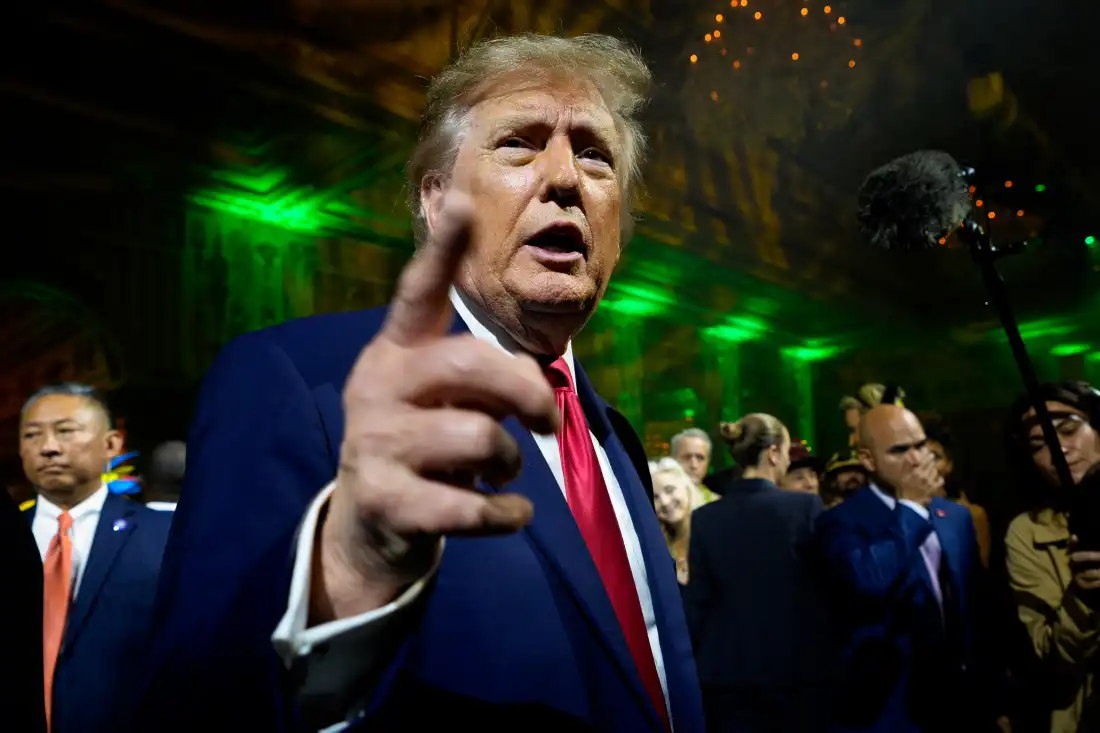
President Donald Trump addressed the media during a Halloween event at his Mar-a-Lago resort in Palm Beach, Florida. Since his election in 2024, Trump’s administration has faced difficulties, particularly with rising consumer prices, a key issue during his campaign. Approval ratings for Trump have plummeted as opposition grows, with many citizens blaming him for economic woes.
Historically, presidents receive disproportionate blame and praise for economic conditions. However, Trump’s decisions, including conflict with Iran and imposed tariffs, have directly affected goods and energy costs. The economic disparity is evident; wealthier Americans are benefiting from thriving stock portfolios, especially those linked to AI companies. In contrast, many average citizens are grappling with inflation and stagnant wages, compounded by a mediocre job market and escalating interest rates. These rates increase the difficulty of purchasing homes or cars, leaving people financially strained.
Recent NPR and Marist polls reveal that a plurality, 44%, of respondents report unchanged financial conditions, while 38% state their circumstances have worsened. Only 15% have seen financial improvement. Displeasure also emerges from the administration’s immigration policies, domestic spending cuts to programs like Medicaid, and substantial reductions in regulations and government workforce affecting swing voters and energizing Democrats against the administration.
Historically, midterms present challenges for the president’s party. Rarely have incumbents gained House seats since World War II, with an average loss of 26 seats, exacerbated when presidential approval drops below 50%. When approval exceeds 50%, the average loss remains at 15 seats.
Democrats have celebrated success in recent special elections, suggesting they could gain control of the House and possibly the Senate. This optimism is tempered by fewer competitive districts post-redistricting, where Republicans have slightly increased their advantageous positions. Latino voter turnout in South Texas also plays a potential role in mitigating Republican advantages.
Despite Republican challenges, Democrats face negative perceptions, failing to fully align with or satisfy their base. Engaged Democratic socialists, however, strongly oppose Trump, viewing a vote against him as crucial. While some Democrats are wary of potential ideological conflicts ahead of the 2028 election cycle, others anticipate the open election inviting candidates to announce early and gain momentum.
Ultimately, Republican turnout remains pivotal. Trump continues to campaign fervently in conservative strongholds to galvanize voter turnout. A high turnout could curtail Democratic gains in the Senate. Conversely, without robust Republican participation, Democrat victories could expand significantly. Republican campaigns increasingly avoid Trump references, yet his influence within the party and consequences with swing voters is undeniable.
Though critical of Trump’s conduct and economic impacts, many remain optimistic that elections will remain fair, despite some Republican skepticism. Trump has perpetuated claims of rigged elections, casting doubts after his losses—evident in his actions following the 2020 election and the Capitol insurrection on January 6. Nuanced poll results indicate the majority believe in fair elections across parties, yet potential contentions may surface if results remain undisclosed.