
The COP climate summits have consistently aimed high, but execution has frequently lagged. With financial strains deepening in developed nations, many are backing away from their climate funding promises to developing countries, despite clear calls for justice.
For developing nations, the crisis in the Strait of Hormuz represents a critical moment. Indonesia, which houses nearly 300 million people and shares the predicament of many Southeast Asian countries, felt extremely vulnerable. Before the crisis, 60% of Southeast Asia’s crude oil imports and a third of gas imports originated from the Middle East. This crisis highlighted the immediate costs associated with dependence on fossil fuels. Simultaneously, rising sea levels and severe wildfires, intensified by this year’s strong El Niño, revealed the broader repercussions of inaction.
For decades, climate negotiations have been mired in a dilemma akin to the prisoner’s dilemma. Economic logic for individual countries has meant relying on affordable, dependable fossil fuels, but this has resulted in dire global outcomes. The Hormuz crisis has shifted this balance. Import reliance on fossil fuels is becoming financially untenable. Switching to renewable energy now aligns with core national interests, focusing on economic stability, self-reliance, and short-term national independence.
Although some argue that renewables have been cost-effective for years, this often neglects the differences between expanding renewable capacity and overhauling energy systems, including decommissioning fossil-fuel infrastructure. All countries face this dilemma, but developing nations must balance these expenses against urgent poverty reduction and industrialization imperatives that rely on affordable, reliable energy.
The magnitude of the crisis highlights failures within the COP process. Even if all commitments were upheld, development banks and donor contributions would fall short of the $1.3 trillion needed annually by developing countries by 2035. The private sector must contribute by funding revenue-generating renewable projects. Yet, the capital is two to three times more costly in developing countries than in richer ones, often making it unaffordable.
A global system that exaggerates risks of investing in developing nations, without recognizing the magnified risks of non-investment, needs reform. We should restructure the global financial framework to cater to developing countries’ needs, but this could take a long time—time we lack.
Developing countries now contribute to over half of global emissions, and this continues to rise, albeit at a slower pace. In today’s geopolitical environment, larger emerging economies must lead in capital mobilization. Indonesia, for instance, has committed $1 billion to the Tropical Forests Forever Facility, alongside Brazil, aiming to draw private investments for tropical forest conservation. However, more extensive efforts are required.
In 2025, Indonesia created a sovereign wealth fund, Danantara, consolidating nearly $1 trillion in state assets. This fund aims to leverage its financial power for energy transition efforts. A program to install 100GW of solar power is underway, compared to today’s 88GW installed capacity nationwide. Danantara will facilitate necessary investments, as well as encourage private funding for projects such as converting municipal waste into electricity.
In December, Danantara will act as an anchor investor at the New Asia Forum, directing public funds to encourage private investment in clean energy across Indonesia and Southeast Asia, reducing risks for international investors. The goal isn’t to finance everything but to make the energy transition viable for developing nations under global market conditions.
The role of wealthy countries remains crucial, but this financial division helps conserve limited grants and concessional finance for projects markets find difficult to fund, like climate change defenses. For example, improving flood drainage in Semarang can safeguard homes and jobs but offers little direct financial return.
While Indonesia draws on its financial capabilities, smaller developing nations often lack such financial strength and would face crippling public finances if borrowing internationally. For these nations, concessional support is essential. The developed world must adhere to Belém’s demand for tripling adaptation finance by 2035.
Developing nations cannot pause their people’s aspirations for a green transition while awaiting global financial system reforms. Similarly, global climate action cannot be delayed until these changes occur. We must progress in both areas simultaneously.
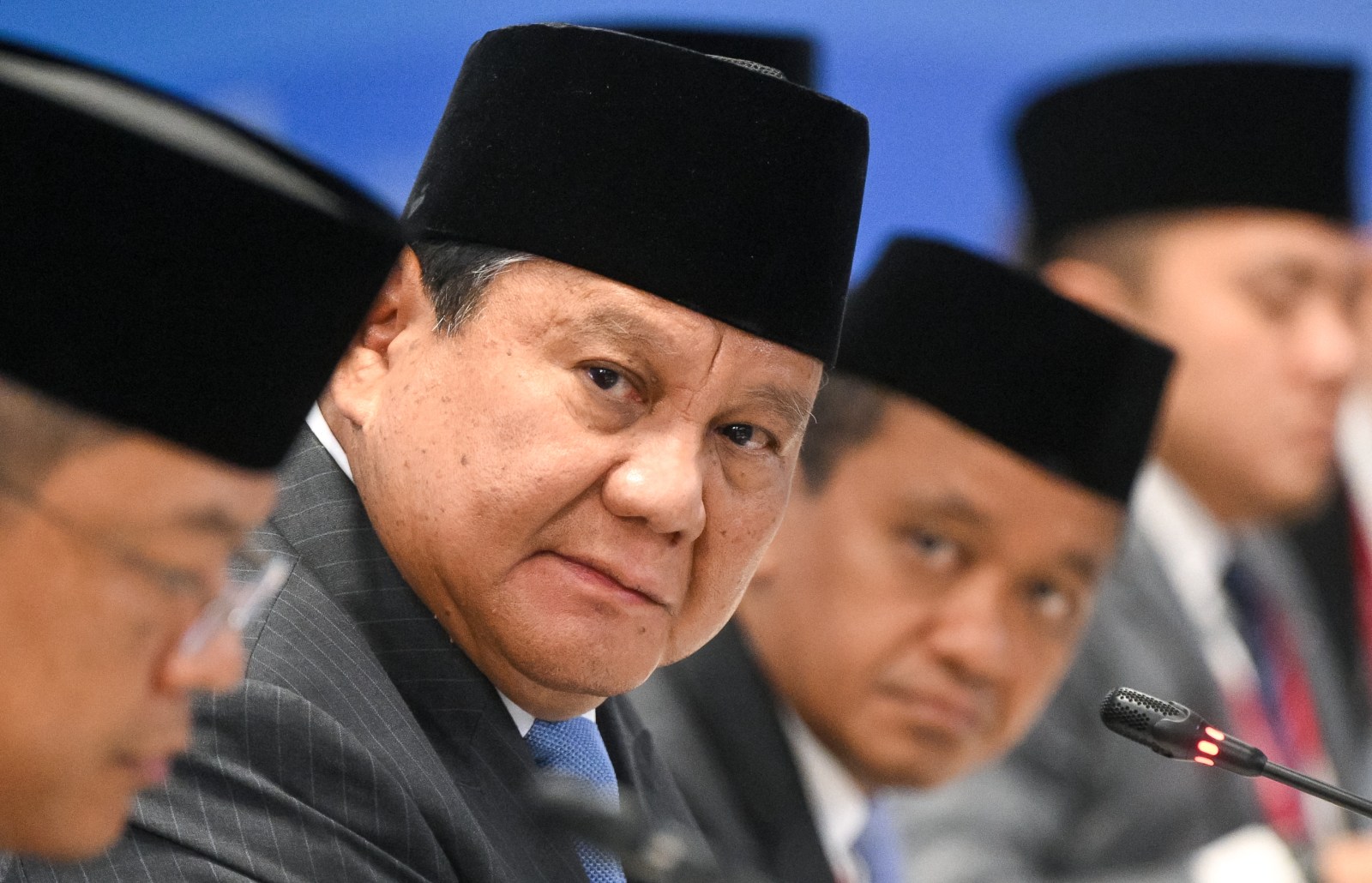
Prabowo Subianto is the President of Indonesia. The views expressed in this article are the writer’s own.