
Renewed Demand for Answers
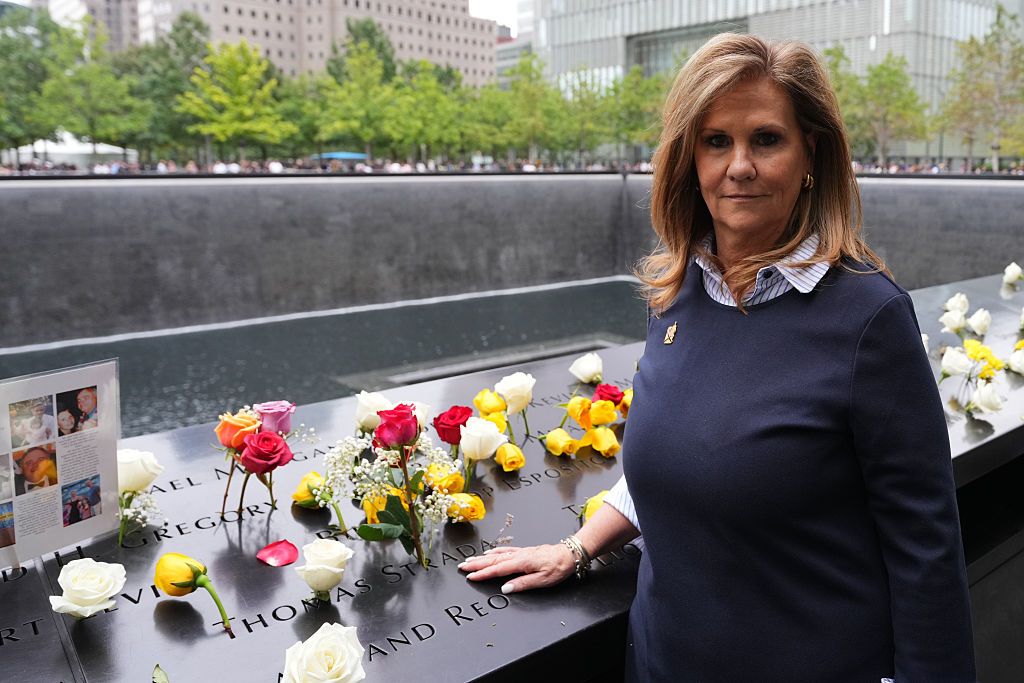
A widow from the tragic events of September 11 passionately confronted Saudi Arabia and former U.S. presidents during the recent 25th-anniversary memorial, demanding clarity on possible links between Saudi nationals and the attacks. Her statements revived debates about transparency, unfinished federal investigations, and unclear interactions between Saudi individuals and two of the hijackers.
The confrontation placed significant pressure on the Trump administration, legislative bodies, and federal organizations. Families have long called for declassification, accountability, and advancements in their civil lawsuit against Saudi Arabia. Terry Strada, having lost her husband Tom at the World Trade Center, accused past administrations of shielding Saudi interests rather than supporting victims’ families.
Her comments reflect the deep-seated frustration of relatives who argue crucial FBI documents, notably those related to Omar al-Bayoumi, a Saudi national with ties to two hijackers, remain insufficiently examined or publicly available.
The Hijackers’ Identity
Two and a half decades later, questions linger about the hijackers’ identities, particularly the 19 men, with fifteen being Saudi nationals. This fact is often referenced by families urging for a detailed probe into Saudi networks within America. Though the 9/11 Commission Report and other official investigations found no direct link between the Saudi government and the attacks, some Saudi individuals reportedly assisted the hijackers on U.S. soil.
The distinction between government involvement and personal aid has fueled ongoing debates. Families argue the lack of comprehensive explanations about how two men with low English proficiency and limited American familiarity could quickly adapt after arriving in Los Angeles in January 2000. Their journey through San Diego and encounters with Saudi entities are central to the lawsuit and public scrutiny.
Omar al-Bayoumi’s Role
A recent ProPublica investigation concerning Omar al-Bayoumi, drawing on newly discovered FBI records, has spurred questions about how the FBI handled Saudi suspects. Al-Bayoumi, a Saudi graduate student in San Diego, assisted Hazmi and Mihdhar in finding housing and integrating into the community. Initially deemed a coincidence by the FBI, federal court documents now reveal al-Bayoumi as a co-opted Saudi intelligence agent with a stipend from Saudi intelligence.
Evidential boxes seized by British police from al-Bayoumi’s home included materials like a diagram calculating an airplane’s trajectory and a video tour of the U.S. Capitol. Much of this evidence was initially withheld from investigators analyzing the hijackers, nearly being destroyed prior to interventions from the Encore team.
Investigations and Discoveries
Operation Encore, the FBI’s detailed inquiry into Saudi links, unearthed critical findings on people associated with Hazmi and Mihdhar. Agents identified witnesses who spotted the hijackers at the King Fahd Mosque in Los Angeles, meeting repeatedly with Fahad al-Thumairy, a recognized Saudi diplomat and imam. Thumairy reportedly organized their first meeting with al-Bayoumi, disputing al-Bayoumi’s alleged random encounter.
Encore investigators uncovered al-Bayoumi’s contacts with numerous Saudi religious officials who later emerged as militant Islamists connected to al-Qaida. Despite such findings, FBI headquarters routinely dismissed the idea of a cohesive support network, leading to the disbandment of the Encore team in 2016.
Unresolved Questions
Families insist the Saudi inquiry remains due to failures by federal institutions to fully investigate leads given the evidence’s severity. Michael Barasch, a legal advocate for 9/11 victims, ties political and financial influences to the narrative’s stagnation.
At the recent memorial, Strada denounced multiple administrations for suppressing evidence, gaining applause from families advocating transparency.
Although the CIA released 71 presidential briefs providing historical context, it omitted critical records desired by families, particularly regarding al-Bayoumi’s phone logs.
Impact of Legal Proceedings
The lawsuit against Saudi Arabia, enabled by the Justice Against Sponsors of Terrorism Act (JASTA), holds substantial implications in terrorism-related litigation history. In 2025, Judge George Daniels found evidence credible enough to proceed with the case, dismissing Saudi Arabia’s claim of sovereign immunity. The Kingdom is appealing, with hearings slated for October 7, 2026, in Manhattan.
Michael Barasch sees Judge Daniels’ decision as a meaningful advancement. Rejecting the sovereignty defense under JASTA paved the way for families to trace finances, communications, and logistical assistance.
Barasch, overcoming personal health battles linked to 9/11, highlights the case’s urgency.
Families voice discomfort over potential private settlements risking full disclosure. They insist on public knowledge of what federal agents discovered and overlooked.
The Ongoing Human Impact
The legal battle is intricately tied to the ongoing health crisis among 9/11 survivors. Barasch explains how erroneous assurances about air safety led millions to act on flawed trust, resulting in countless health issues. The 57,044 certifications from the World Trade Center Health Program highlight the severe health repercussions.
Rare cancer incidences among survivors, including teachers and workers, have risen drastically since 2015, far surpassing national averages.
The substantial spike in deceased claims underlines the tragedy’s enduring impact, emphasizing that justice from Saudi Arabia should begin with transparency.
Barasch concludes by critiquing the lack of consistent record pursuit regarding the attacks’ details, advocating thorough openness in legal processes.