
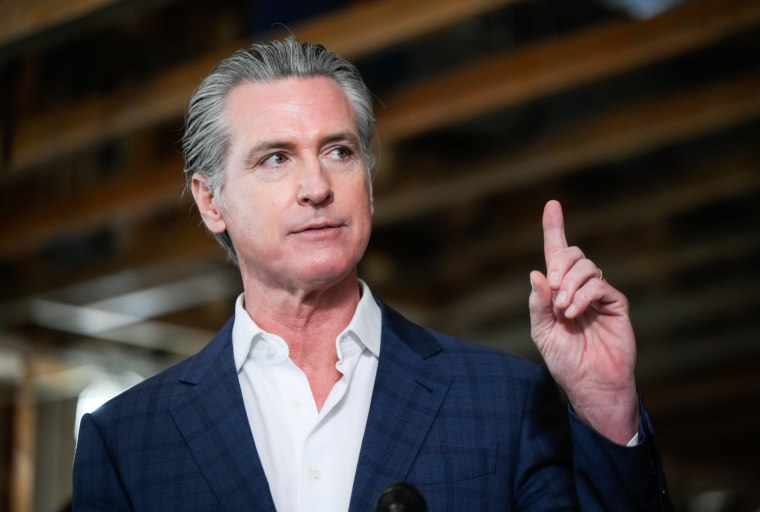
The California Legislature, controlled by Democrats, approved many bills before their session ended on Monday night. These bills include over two dozen laws aimed at regulating artificial intelligence (AI) and controlling how social media platforms are used by minors. Governor Gavin Newsom, also a Democrat, has until the end of the month to decide which of these bills will become law. His decisions could indicate his stance on key issues for a possible 2028 presidential campaign.
Of the 26 bills related to AI and social media, several focus on reducing addictive features found in technology offerings. For example, one bill prohibits social media platforms from providing “addictive features,” such as autoplaying videos, to users under 16 years old. Another bill enforces stricter rules on chatbots, including age verification requirements and ads visible to minors. These measures would hold platforms and AI chatbots financially accountable if they fail to protect children from harm.
According to experts, these California bills could establish the strongest framework in the country for protecting minors engaging with AI chatbots and social media.
State Senator Steve Padilla, who authored one of the bills, criticized the lack of federal regulation on AI. He stated, “While Washington is focused on catering to their tech oligarchs, California is filling the regulatory void to protect our children and prevent another repeat of the social media disaster.” Padilla believes that these regulations could serve as a national model for creating a safer online environment for children.
On the AI front, one bill mandates that only human instructors teach in the California State University system, although AI can still be used as a tool in teaching. Another bill prevents employers from using AI surveillance products to collect “neural data” to assess employees’ emotional states. Additional legislation stops retailers from employing certain dynamic pricing methods referred to as “surveillance pricing.”
Several bills specifically address the use of AI in healthcare. One stipulation requires that therapy and psychotherapy services are provided exclusively by licensed professionals, explicitly forbidding chatbot-related offerings for these services. Another bill seeks to clarify healthcare providers’ use of AI, ensuring these systems adhere to existing medical confidentiality laws.
Governor Newsom, who has generally been a supporter of the tech industry, has recently shown inclinations toward regulating AI. However, he has not commented publicly on his position regarding the new bills. NBC News reached out to a spokesperson for Newsom, but there was no immediate response. Politico reported that OpenAI CEO Sam Altman contacted Newsom to express concerns about some AI-related legislative measures.
Newsom’s past actions have shown a mixed approach to AI. Earlier this year, he signed an executive order for state agencies to work with the tech industry and other stakeholders to manage the impact of AI on California workers. This summer, he signed two bills into law that addressed AI. One clarified that public school services in elementary and secondary levels must come from humans, not bots. Another required cars with location-tracking to inform users about the feature.
Additionally, California lawmakers passed bills related to law enforcement and the Trump administration in the final hours of their session. One bill prohibits law enforcement from using electric shock gloves and requires a state study on the gloves by 2029. This move responded to Trump’s Immigration and Customs Enforcement plan to spend $20 million on buying these gloves.
Other legislative actions include easing parole programs for elderly inmates and expanding the list of state agencies forbidden from wearing masks.