
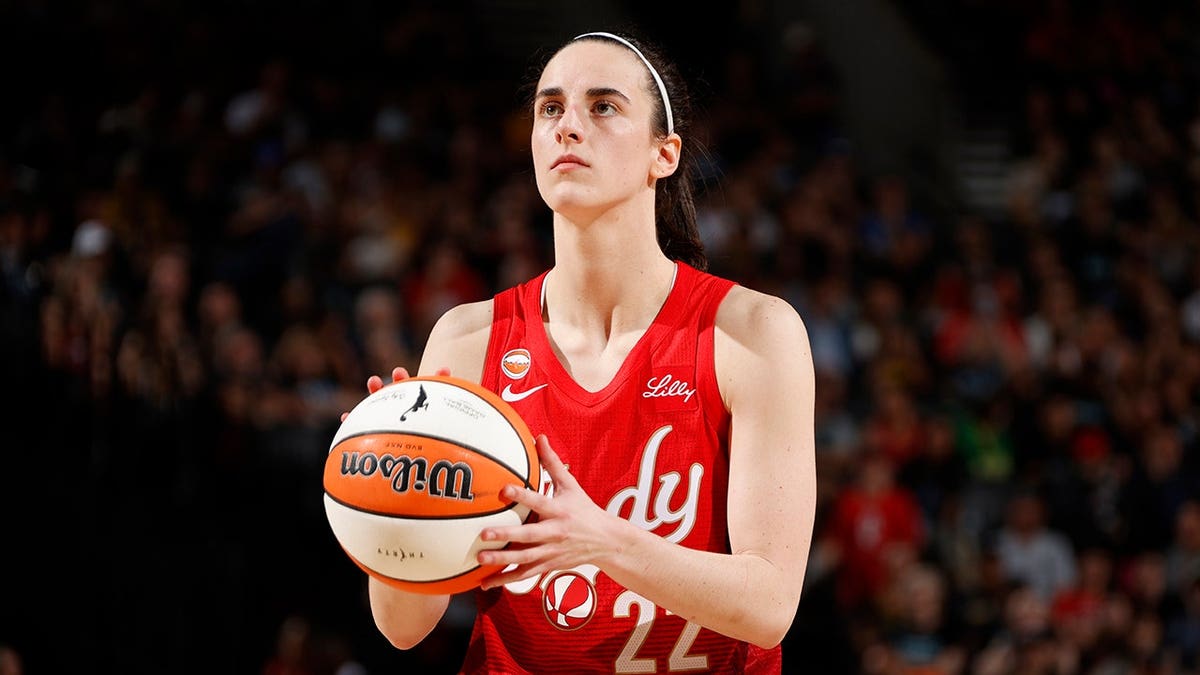
Caitlin Clark, speaking after the Indiana Fever’s 108-100 defeat to the Minnesota Lynx, addressed a contentious topic. She faced questions regarding biological males competing in women’s sports. Clark opted not to disclose a definitive stance, leaving much to interpretation.
Following the game, Clark commented on the issue, indicating that the Fever did not discuss it in the locker room. Her statement suggested that leagues and governing bodies are responsible for working with athletes to address the matter. ‘Our focus is on basketball,’ she said, illustrating how the team prioritizes game performance over external controversies. Despite being prompted for her personal view, she maintained her earlier response.
Caitlin Clark’s neutrality in response to a pressing question about women’s sports mirror’s her strategy to avoid alienating either side of the debate. Her answer acknowledged the lack of discussion within her team and emphasized finding a balance between sports participation and policy issues. The conversation gained attention following Sophie Cunningham’s controversial remarks, highlighting a deeply divisive topic within the sports community.
Cunningham argued against biological males competing in women’s sports, advocating for the protection of female athletes. Her stance sparked reactions during the Fever’s road trip, with contrasting demonstrations and visible support for transgender inclusion at games. The atmosphere was charged, with supporters and critics making their presence known.
Clark chose a path of silence initially, staying away from public engagement during the trip. Her absence from the postgame press podium, even after her standout performance in Portland, suggested an effort to distance herself from the sensitive issue. The fever strategically managed press interactions, shielding Clark and avoiding further controversy.
When Clark eventually spoke at a press conference, her answer appeared well-prepared. She avoided taking a decisive stand, maintaining focus on basketball and sidestepping the heated topic. This suggests a deliberate effort to remain neutral and avoid controversy.
Clark’s neutrality stems from her substantial stake in personal and professional stability. She is balancing a career in basketball with significant brand endorsements and a diverse fan base. Taking a firm position could risk alienating supporters, illustrating caution in navigating complex societal issues.
The differing views around transgender athletes in women’s sports place athletes like Clark in challenging positions. Activists and groups on both sides sought her support for their respective causes. However, Clark chose to remain noncommittal, emphasizing her right to focus on her sport.
Within the WNBA, where players often make bold social statements, Clark’s decision not to align with any side distinguishes her approach. Her guarded response, though polished and potentially strategic, left many awaiting more substantial commentary. By choosing neutrality, Clark inadvertently gave both supporters and critics of the transgender athlete debate a reason for dissatisfaction.