
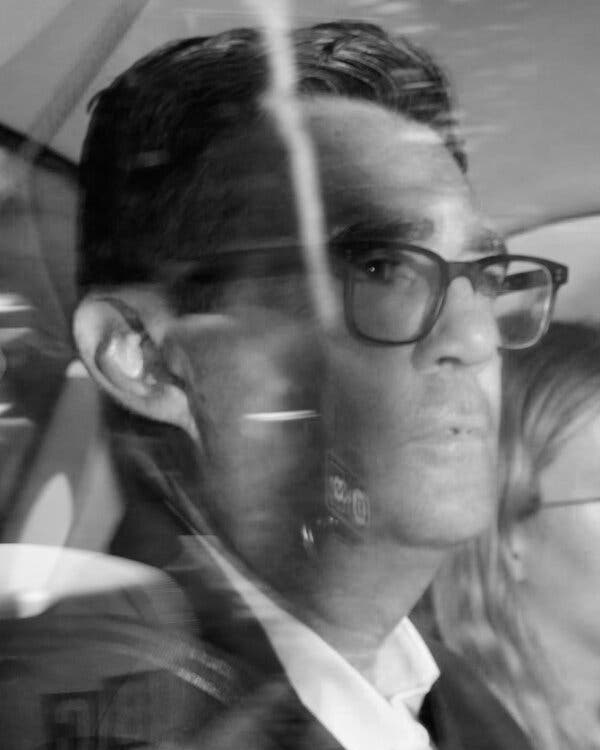
Andy Burnham has emerged as Britain’s seventh prime minister within ten years, stepping into the role amidst political uncertainty. Once a prominent figure in New Labour and recently serving as the mayor of Manchester, Burnham finds himself tasked with reviving the government’s struggling popularity. His predecessor, Keir Starmer, left the public disillusioned, which has fueled Burnham’s unique appeal.
Burnham’s northern roots, relaxed dress sense, and relatable persona position him as an outsider in the political landscape. These characteristics resonate in the current climate of anti-establishment sentiments. Despite his recent return to Parliament, Burnham has spent nearly a decade as the mayor of Manchester, where he earned the nickname “King of the North.” This title, echoing themes of decentralization from London, reflects his vision of dispersing power and prosperity beyond the capital.
However, Burnham has always been deeply entrenched in Westminster. He often references feelings of “impostor syndrome,” yet managed to navigate the corridors of power with ease. His duality as both a relatable figure and a seasoned politician hints at a leadership style that balances breaking from and adhering to established norms. Early indications suggest his leadership will maintain this pattern, although significant economic and social challenges lie ahead for Britain.
Burnham grew up in northwest England, the son of a receptionist and a telephone engineer. His education in English literature at Cambridge University led him to a position as a parliamentary researcher. Following Labour’s 1997 electoral victory, Burnham became a special adviser in the cabinet before swiftly advancing to a parliamentary seat in Greater Manchester. By age 31, his political career was in full swing.
Burnham displayed striking loyalty during his early parliamentary years. He supported the Iraq war, and as a junior Home Office minister, he adopted stringent law enforcement policies. Known colloquially as “Flog ’em and Burnham,” his rise continued under Gordon Brown, where he endorsed New Labour’s expensive hospital rebuilding program involving private financing.
Despite his aspirations for greater roles, his attempts at Labour leadership were unsuccessful. After Labour’s 2010 defeat, Burnham campaigned on what he termed “aspirational socialism” but finished fourth. His 2015 leadership bid faltered amid Jeremy Corbyn’s unexpected popularity. In 2017, he set his sights on a winnable race and became the first mayor of Greater Manchester.
Amidst these developments, Britain’s challenges extend beyond the need for a Labour reboot. Economic stagnation and social unrest are pressing issues that require more than fresh political rhetoric. Burnham’s leadership traits and prior initiatives suggest the potential for change, but practical solutions will be necessary to address the underlying problems facing the nation.