
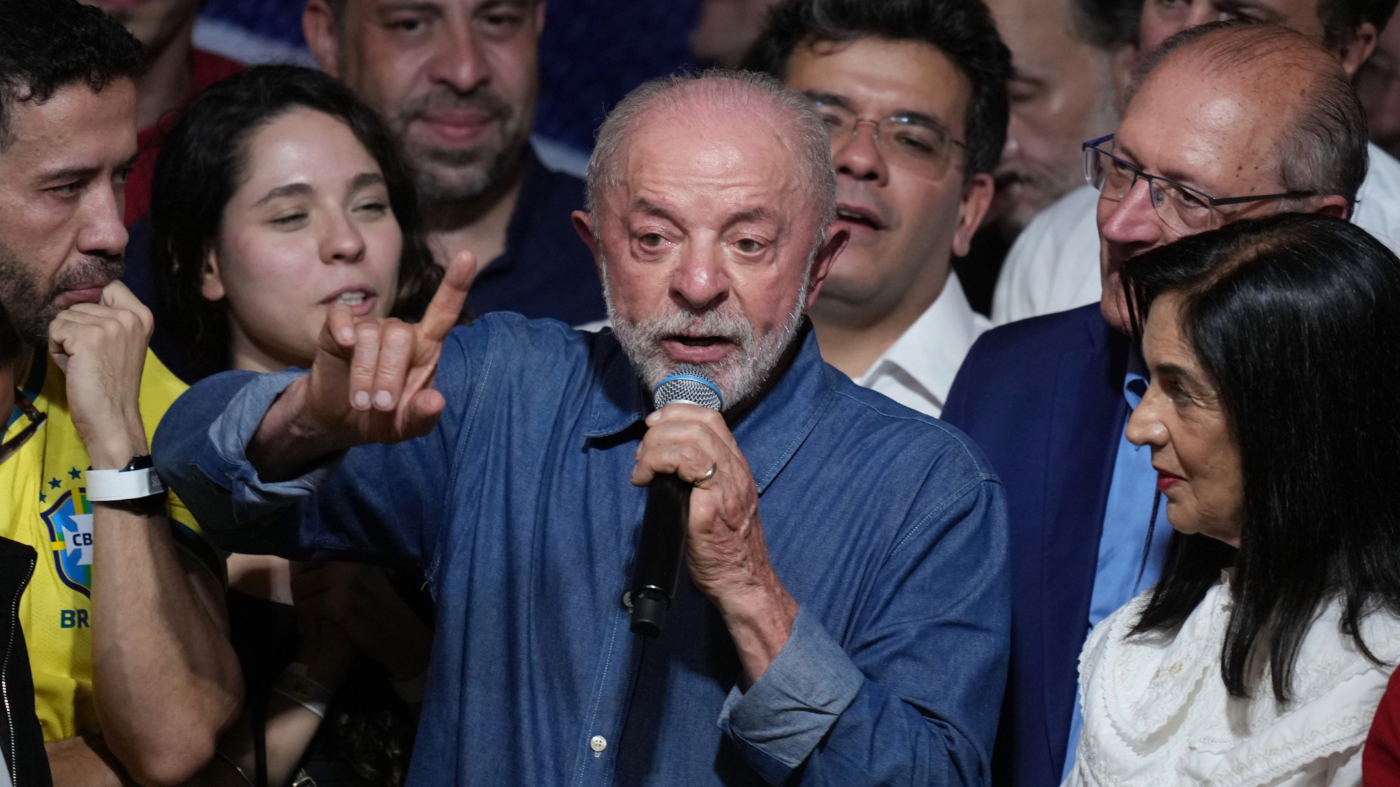
Luiz Inácio Lula da Silva secured the presidency of Brazil on October 25, 2026, marking his fourth term. Overcoming an initial setback in the first round, he achieved victory with 51.8% of the vote, surpassing his opponent Flávio Bolsonaro, who garnered 48.2%. This represented a difference of over 4 million votes. Celebrating his win, Lula emphasized Brazil’s independence, rejecting foreign dominance.
The election outcome generated criticism from President Trump, who suggested potential irregularities. Despite ideological differences, Lula and Trump have met multiple times in the past year, driven by economic interests. Trade between the U.S. and Brazil reached $135.7 billion in 2025, reflecting a significant increase, highlighting the essential economic ties between the two nations.
The leadership contrast between Lula and Trump is pronounced. While Trump hails from a business background, Lula emerged as a labor leader opposing private sector dominance, aligning himself with figures like Fidel Castro and Daniel Ortega. The push for an expansive social program by Lula involved significant financial commitments, including around $57 billion for various subsidies and reliefs. Despite winning, Brazil’s currency faced a sharp drop, and the stock markets responded with a decline, indicating underlying economic challenges.
Brazil remains a pivotal player on the global stage, being part of the G20 and BRICS, with its geopolitical significance underscored by strategic alliances. Lula’s presidency poses a challenge to the Monroe Doctrine, following notable electoral victories across Latin America. At the same time, Brazil’s cooperation with China extends beyond mere trade, encompassing military and technological collaborations.
Lula’s stance has introduced Chinese enterprises like BYD and Huawei into the Brazilian market, despite controversies surrounding these companies. Brazil has also shown reluctance to align with the U.S. on certain security matters, maintaining its own stance on regional criminal organizations.
As Brazil continues under Lula’s leadership, its complex international affiliations require careful navigation by the United States. Balancing economic necessities with strategic caution will be key in managing relations with the nation. Containment of Chinese influence while engaging in beneficial negotiations will remain essential strategies.
Arturo McFields, a seasoned journalist and former diplomat, analyzes this intricate political landscape, highlighting the nuanced relationship required between these global entities.