
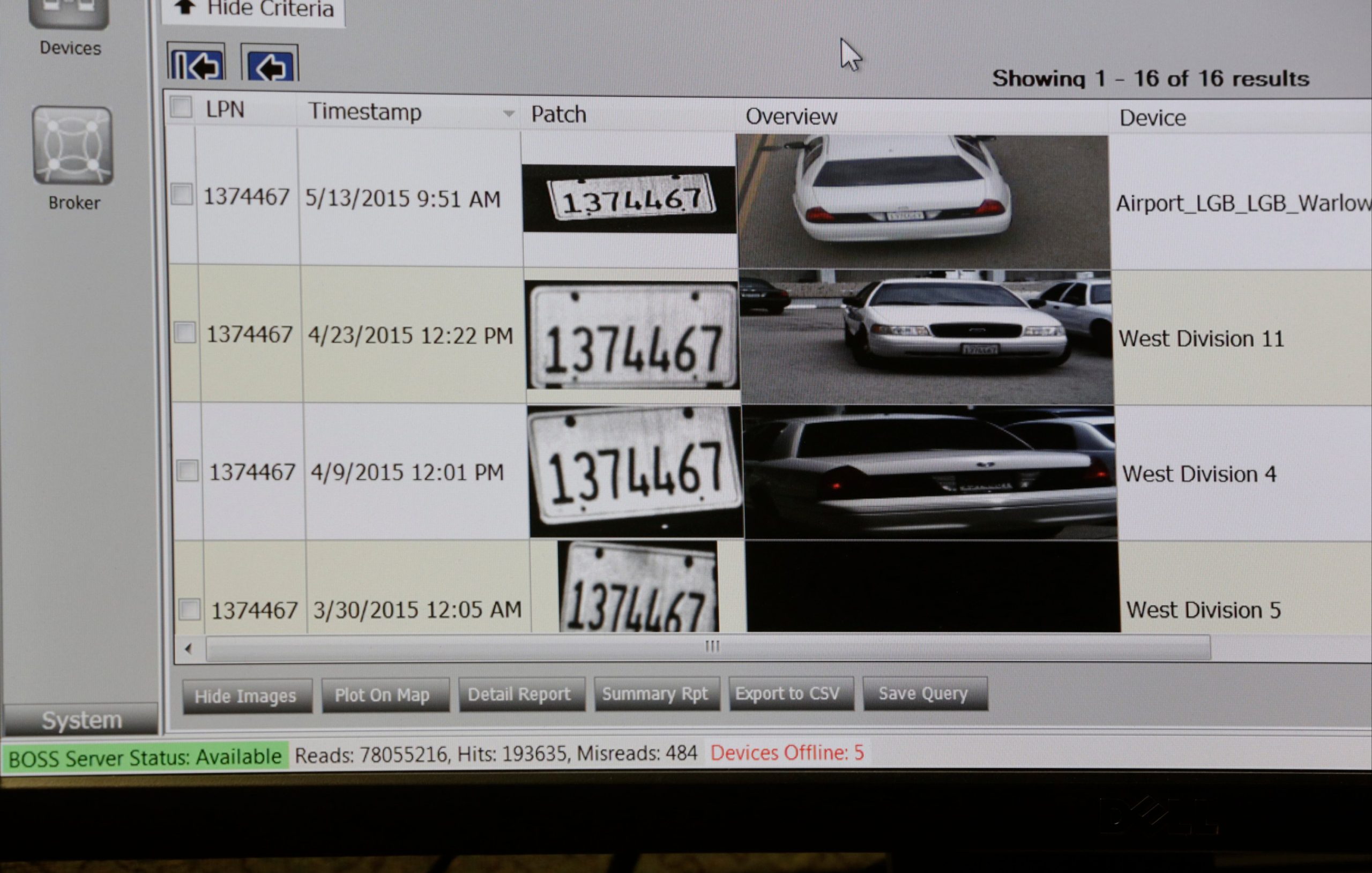
Automated license plate readers (ALPRs) like Flock cameras have ignited debate across the United States. These devices, while not unique in technology, share common functionality. They capture details such as a vehicle’s license plate, make, model, and color. Flock boasts that its cameras can record vehicles moving up to 100 MPH, night or day, and from a distance of 75 feet. They also categorize vehicles as resident or non-resident and identify temporary plates or damage.
Comparing ALPR Technologies
Though Flock cameras cannot track speeding, Genetec’s ALPR system estimates vehicle speed. Meanwhile, Motorola Solutions’ technology focuses on identifying vehicle accessories and unique features such as damage or bumper stickers. Flock captures images of the back of vehicles on public roads, but only those in its view.
DeFlock offers a crowdsourced map of ALPR locations across the U.S., drawing data from volunteers and the OpenStreetMap community. Nexstar notes that it hasn’t independently verified these locations. ALPRs have been in play for over twenty years, commonly attached to poles, streetlights, and overpasses, with mobile versions available.
ALPR Usage and Privacy Concerns
ALPR systems scan license plates and cross-reference them with databases, alerting law enforcement of vehicles of interest. This capability aids in searches and enables information sharing among agencies. Despite their utility, some places like North Carolina, Indiana, Colorado, and Wisconsin have discontinued ALPR use. In Florida, the Department of Transportation is removing cameras due to privacy issues and misuse allegations. Similarly, Texas withdrew state funding amid these concerns.
While ALPR technology faces criticism, President Trump recently endorsed it, stating its support for law enforcement. However, he acknowledged that some view it as an infringement on privacy.