
Author William P. Young’s latest book, Return to the Shack, explores the theme of forgiveness. He praised Erika Kirk for exemplifying forgiveness last year. Young’s previous novel, The Shack, recounts a father’s recovery after his daughter is kidnapped and killed during a camping trip. Mack, the grieving father, receives a letter from God, asking him to visit a shack. There, he encounters a unique version of the Holy Trinity. Despite controversy among some religious readers, the story resonated widely and was adapted into a movie in 2017.
The sequel focuses on forgiveness, with Mack confronting his daughter’s killer. Young discusses the crucial difference between forgiveness and reconciliation. He explained, “Forgiveness is for the one harmed, allowing them to live without burden. You can forgive but not necessarily trust again. Reconciliation is for the perpetrator, involving a difficult process of rebuilding trust.” Young acknowledges potential criticism but remains steadfast in his beliefs.
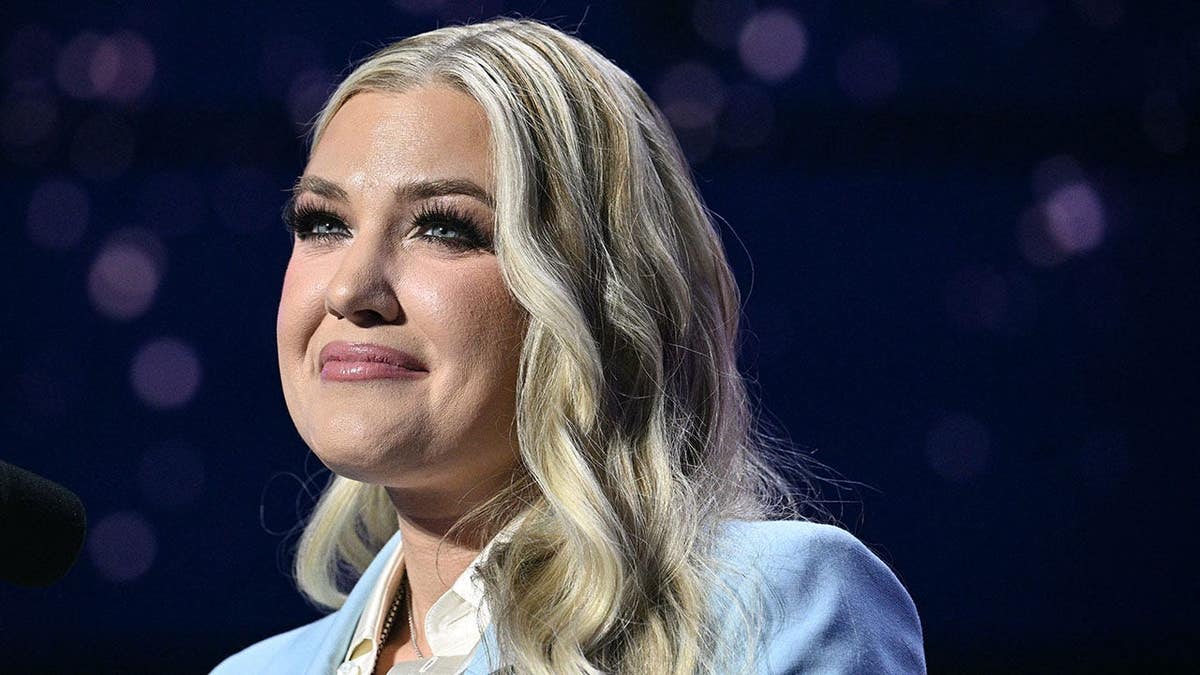
Erika Kirk, widow of activist Charlie Kirk, surprised many by publicly forgiving her husband’s accused assassin. Charlie was killed at a Turning Point USA event at Utah Valley University, Utah. At Charlie’s memorial, Erika cited Jesus’ forgiveness, saying, “I forgive him, because it was what Christ did, and it’s what Charlie would do.” Young recognized this as a powerful demonstration of his book’s core message.
Young emphasized the importance of making peace with the past to avoid poisoning current relationships. He said, “If we can’t let go of those who’ve wronged us, we hold onto the past instead of life itself.” Erika Kirk’s decision not to let the past define her resonated with Young: “I’m not entering the prison that he is now in,” she metaphorically stated.
Young reflected on the deeper humanity within individuals, even on death row, suggesting they don’t inherently want to harm or lie. He advocates for love over violence, stating, “Love is more powerful than harm.” Young believes love can bring transformation and change.
Young also shares his personal journey to forgive his own father, an abusive man when Young was a child. He reflects, “Violence adds to existing harm and doesn’t solve anything.” Instead, he emphasizes care, love, and listening. He suggests that divine love leads individuals toward wholeness, encouraging self-love and compassion for others.
Young’s sequel, Return to the Shack, will be released in October. It continues to delve into themes of redemption and forgiveness.