
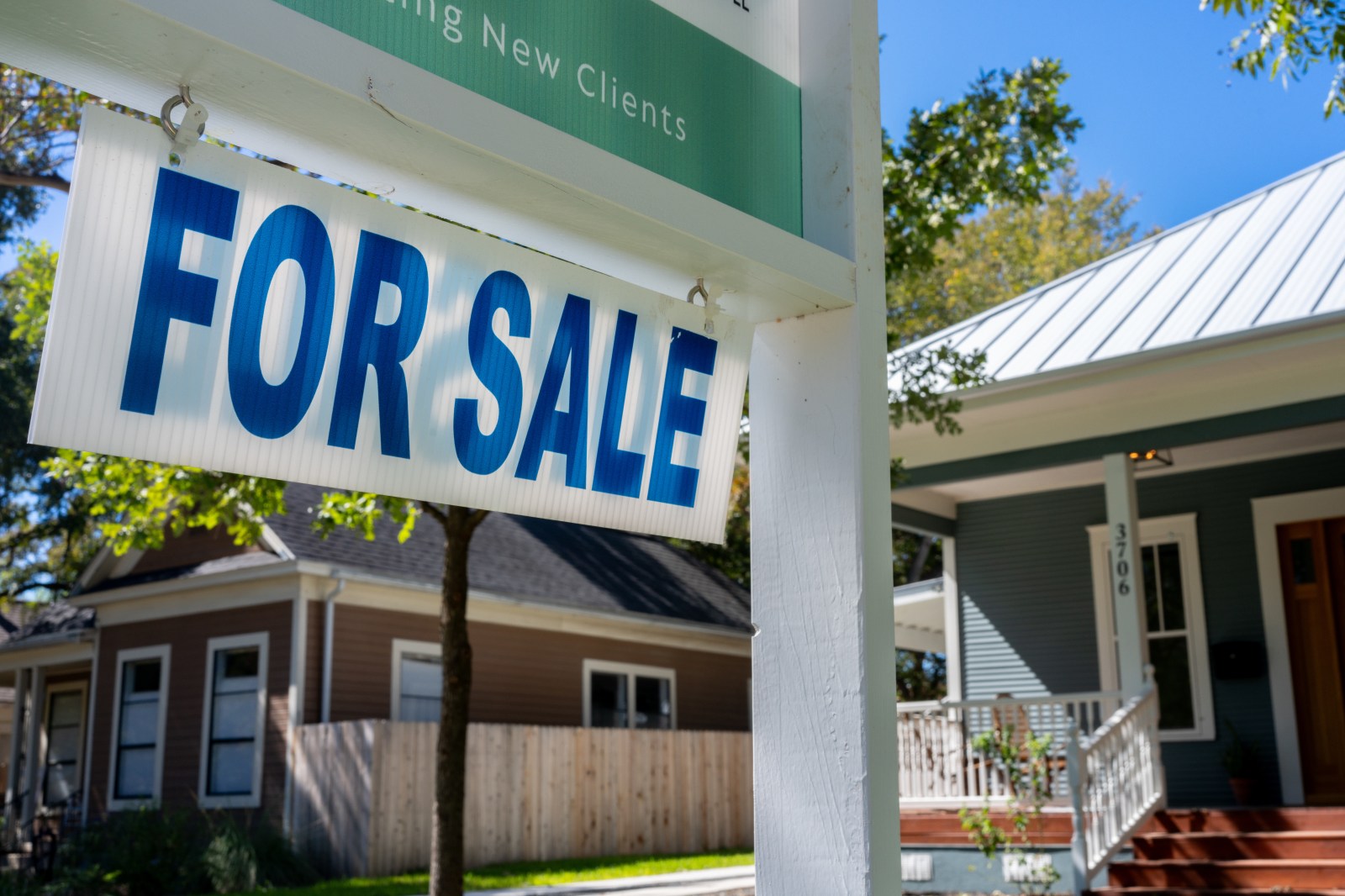
The dramatic price adjustment that began in Austin after the pandemic housing surge has persisted, further reducing costs for homebuyers this year. Recent data from Realtor.com revealed that the median listing price of a typical home in the Austin-Round Rock-San Marcos area decreased by 9.8% to $446,450 in September compared to the previous year. Although home prices in this region remain higher than the national average of $419,250, they have significantly dropped from the peak of $629,479 recorded in May 2022.
This shift marks Austin as a buyer’s market, a term used when buyers have more leverage over sellers. Several factors contributed to this change, including a decrease in domestic migration to Texas during the pandemic and reduced demand due to rising costs. However, the most notable factor influencing the price decline in Austin is the influx of new inventory entering the market as demand leveled off. The surge of newcomers between 2020 and 2022 left a significant supply of available homes as prospective buyers stepped back, granting them more bargaining power.
Data reflects that total active listings in the Austin region rose by 1.4% from the previous year, and new listings increased by 2.1%. This indicates that buyers have more choices and leverage than during the pandemic. Across the nation, the real estate scenario echoes this trend. Realtor.com reported that the national median listing price dropped by 1.4% to $419,250 in September. This marks the 11th consecutive month of year-over-year declines.
Top metros with the largest home price drops in September include:
- Austin-Round Rock-San Marcos, TX: -9.8%
- Memphis, TN-MS-AR: -8.7%
- Tampa-St. Petersburg-Clearwater, FL: -6.6%
- San Diego-Chula Vista-Carlsbad, CA: -6.3%
- Los Angeles-Long Beach-Anaheim, CA: -5.9%
- Denver-Aurora-Centennial, CO: -4.9%
- Phoenix-Mesa-Chandler, AZ: -4.8%
- St. Louis, MO-IL: -4.7%
- Washington-Arlington-Alexandria, DC-VA-MD-WV: -4.6%
- Providence-Warwick, RI-MA: -4.2%
Areas like Denver and Phoenix experienced similar outcomes post-pandemic as inventories surged and demand waned. This pattern, present across the U.S., signifies more homes available relative to the number of buyers willing to purchase. The number of available homes increased largely in anticipation of sustained demand, but affordability challenges keep many buyers out of the market.
In more costly regions, even with price reductions, affordability remains a critical issue. For example, in the San Diego metro, median home prices are $888,450, while Los Angeles sees prices over $1 million.
For sellers, these price declines are a setback if they hold properties acquired during the peak of the buying frenzy and might sell them for less than their purchase price. Conversely, falling prices favor buyers, especially with high mortgage rates keeping housing costs soaring. As of October 22, the 30-year fixed-rate mortgage averaged 7.32%, an increase from 6.19% a year earlier.
Despite this, factors like elevated borrowing costs, inflation concerns, and increased living expenses since the Iran war’s onset deter many buyers. This hesitation contributes to a stagnant market. Joel Berner, a senior economist at Realtor.com, describes the situation as the market being in “hibernation.” He notes that significant changes, particularly in mortgage rates, could catalyze market activity. According to Berner, pent-up demand exists among potential buyers waiting for the right moment to re-enter the market, which could eventually revive it.