
Recent discussions within the Democratic Party have often centered around the internal battles between progressives and centrists. However, another significant debate, less covered but potentially impactful, involves the divide between state and federal lawmakers.
Since the nomination of Arkansas Governor Bill Clinton, Democrats have consistently chosen presidential candidates who have a background as U.S. senators. Clinton’s experience as a governor empowered him to be successful in states previously considered uncompetitive.
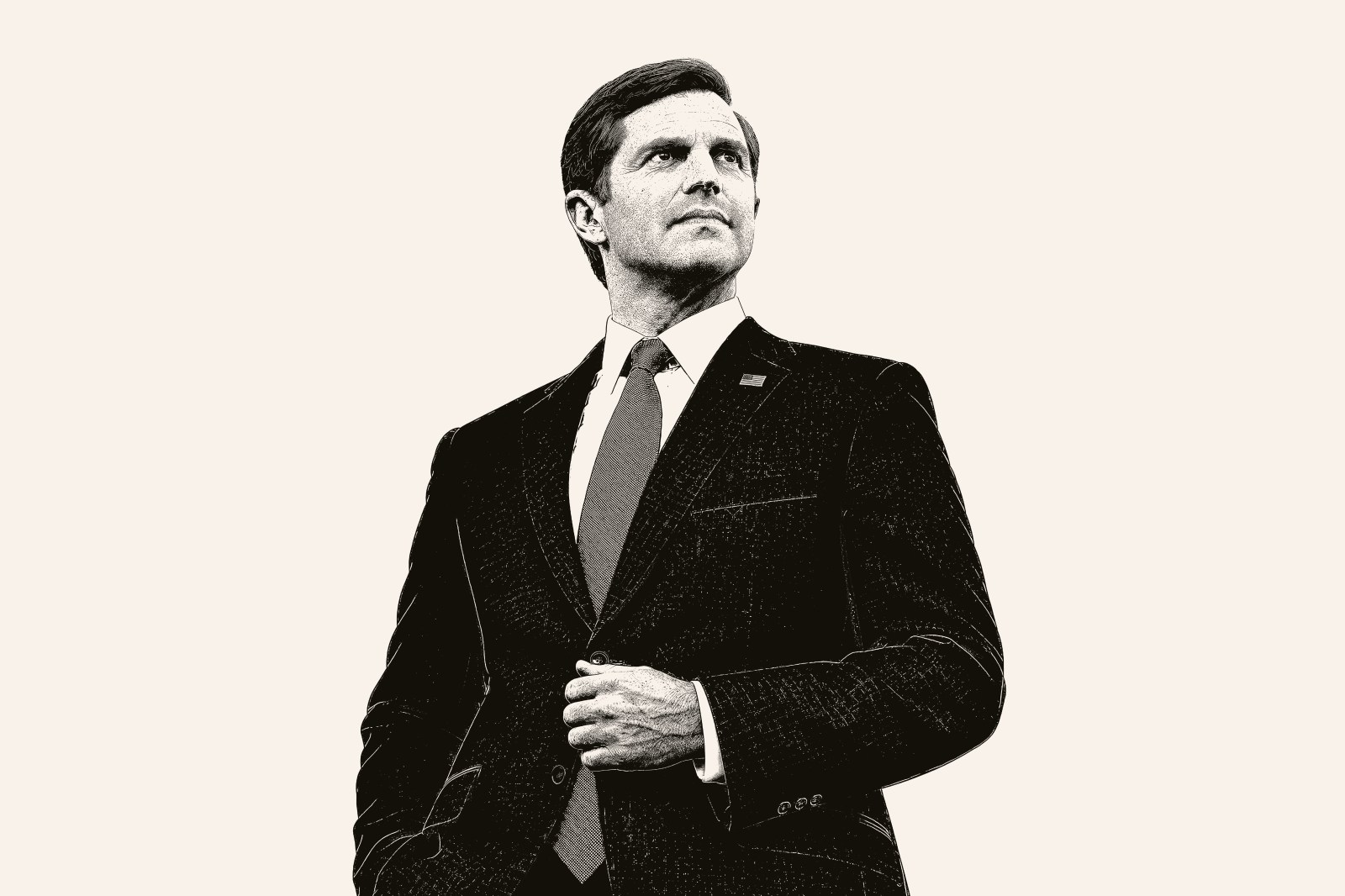
Given the political climate shaped by Donald Trump, some Democrats argue for a leader who combines executive abilities with the capacity to bridge divides. Andy Beshear, Governor of Kentucky and chair of the Democratic Governors Association (DGA), embodies this philosophy.
“I think our next nominee and the next president should be a Democratic governor,” Beshear shared during an interview in Louisville on September 11. “Governors engage in practical governance, unlike senators and congress members, who focus on amendments.”
Beshear’s name appears in conversations about the 2028 election, boosted by his memoir, Go and Do Likewise: How We Heal a Broken Country, which explores the role of faith in politics.
Despite his high approval rating, questions remain about his ability to navigate primary challenges and debates, particularly against prominent Democrats like Gavin Newsom or Alexandria Ocasio-Cortez. Unlike others, Beshear identifies as a unifier focused on practical outcomes.
Andy Beshear’s background and upbringing in Kentucky are integral to understanding his approach. His father, Steve Beshear, served as Kentucky’s governor and influenced Andy’s political outlook. A poignant elevator incident demonstrated the tangible impacts of effective governance, when a woman credited the Affordable Care Act marketplace, initiated by Steve Beshear, for saving her life.
Andy Beshear, driven by his faith, was propelled to pursue public service, initially serving as Kentucky’s attorney general. His political journey continued, defeating incumbent governor Matt Bevin in the 2019 election, despite Bevin’s low approval.
Throughout his campaigns, Beshear has actively reached out to communities where Democrats are scarce, utilizing localized ads that highlight his achievements.
Democratic strategist Eric Hyers praised Beshear’s genuine and approachable nature, observing his talent in communicating Democratic values to unlikely voters. While confident in his perspective, Beshear’s authenticity has maintained his high approval rating despite conflicts with the Trump administration.
Beshear’s activism in opposing certain GOP legislative proposals, especially those concerning transgender issues, distinguishes him from counterparts like Governor Newsom, offering a different approach to contentious topics.
As DGA chair, Beshear’s efforts in advancing Democratic priorities across state lines are significant. His work with the DGA strengthens the connections between Democratic governors and enhances his influence within the party.
Beshear’s ability to fundraise nationally and his support for state-level party systems demonstrate his commitment to Democratic success. Colmon Eldridge emphasized the importance of sustained investment in party infrastructure.
Adam Edelen, Beshear’s former primary competitor, recognizes his dedication to problem-solving and his Mr. Rogers-like persona. He notes Beshear’s disciplined campaigning as a potential strength for national electoral efforts.
Beshear may lack the charismatic appeal seen in other politicians, but his earnest and pragmatic nature could resonate widely. His commitment to practical governance can appeal to voters seeking stability and effective administration.
Michigan Governor Gretchen Whitmer highlights Beshear’s resonant experience and the desire for competent leadership. Although some compare Beshear to Bill Clinton, Edelen believes his approach aligns more closely with the integrity of Jimmy Carter.
Survey findings from YouGov emphasize traits like leadership, honesty, and vision as valuable presidential qualities—the essence of Beshear’s political identity.
Despite challenges inherent in media-centric politics, Beshear’s potential to redefine the Democratic message could position him well for the future. Beshear emphasizes the need for skilled Democratic executives across the Cabinet to reinforce the American dream.