
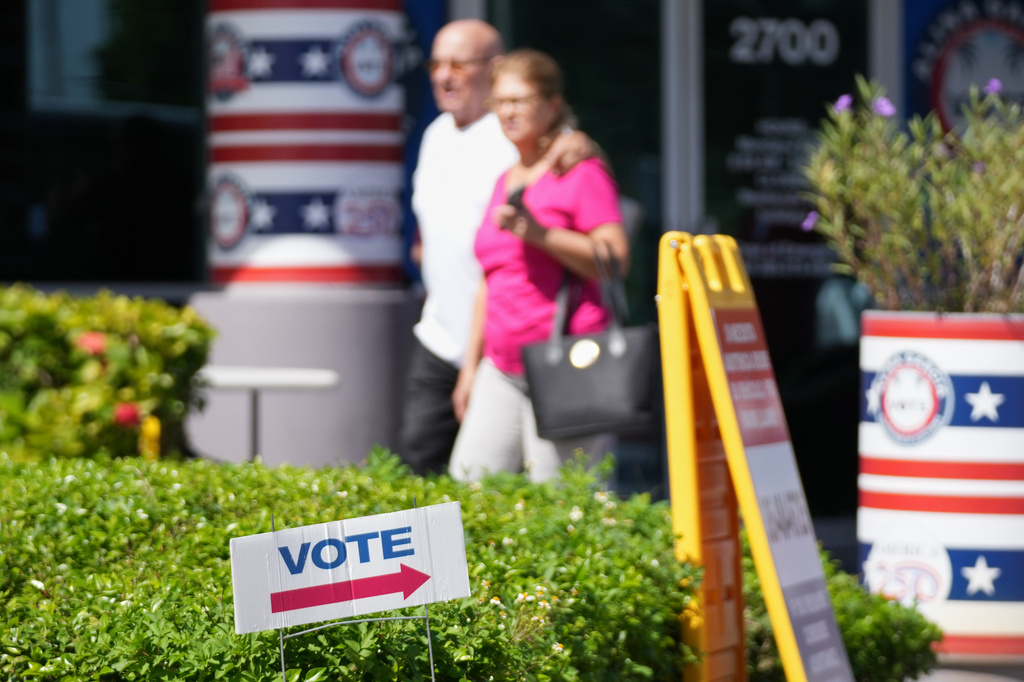
During the early voting for the 2026 midterm elections in Doral, Florida, there’s a visible shift in how voters perceive polling data. The evolution of polling averages has brought us closer to understanding who’s leading in votes but has left the reasoning behind voters’ choices obscured.
A noteworthy trend is the behavior of Maine’s electorate. Despite their disapproval of President Trump, 17% of Maine voters intend to support Republican incumbent Senator Susan Collins. Their decision could heavily influence the Senate’s control, reminiscent of the 2020 presidential election when Joe Biden won Maine by 9 points, yet Collins triumphed by a similar margin. Polls indicate the presence of such voters, but they fail to explain their motivations.
Recent polls reveal conflicting results, with some showing a lead for Collins and others favoring Democrat Troy Jackson. A significant portion of Collins’ supporters disapprove of Trump, and only half prefer a senator who aligns with him. These statistics suggest that effectiveness and perceived ideological extremism of opponents like Jackson play crucial roles in their voting decisions.
Further inquiry should delve into the implications of the election results. Discussions often revolve around anecdotes rather than solid data. While various surveys indicate a national rejection of data centers, exemplified by findings from Quinnipiac and others, the true mandate extends beyond those headlines. The link between data centers and rising energy costs is crucial, as shown by Pew’s research and others.
AI technology can rapidly sift through public data tables. It helps in identifying patterns across multiple polls, facilitating a comprehensive understanding. However, AI has its pitfalls. Misinterpretation or confusion in data can skew results, emphasizing the need for meticulous human oversight.
The key takeaway is the importance of transparency in polling data and the role of journalists in verifying AI-generated findings. When unique results appear, reporters must know the specifics of the poll question and respondents to provide accurate narratives. Discovering voter motivations requires revisiting respondents or sampling anew to hear their perspectives directly.
The story unfolds as campaigns reveal insights about the electorate. Effective polling practices had their merits, but understanding voter needs and expectations requires looking beyond averages. With advanced tools, the journey from data to insights starts by scrutinizing what hides beneath the surface.
Jon Cohen, founder of TrueDot, has extensive experience in polling analysis. His previous roles include polling director at The Washington Post and key research positions at Pew Research Center and SurveyMonkey.