
Representative Sam Liccardo emphasizes the urgent need for artificial intelligence oversight to safeguard public interests. According to a May survey, nearly 80% of Americans advocate for protective measures, a stance Liccardo equates to the necessity of automobile seatbelt laws. He insists that Congress, rather than technology companies, must establish regulation standards.
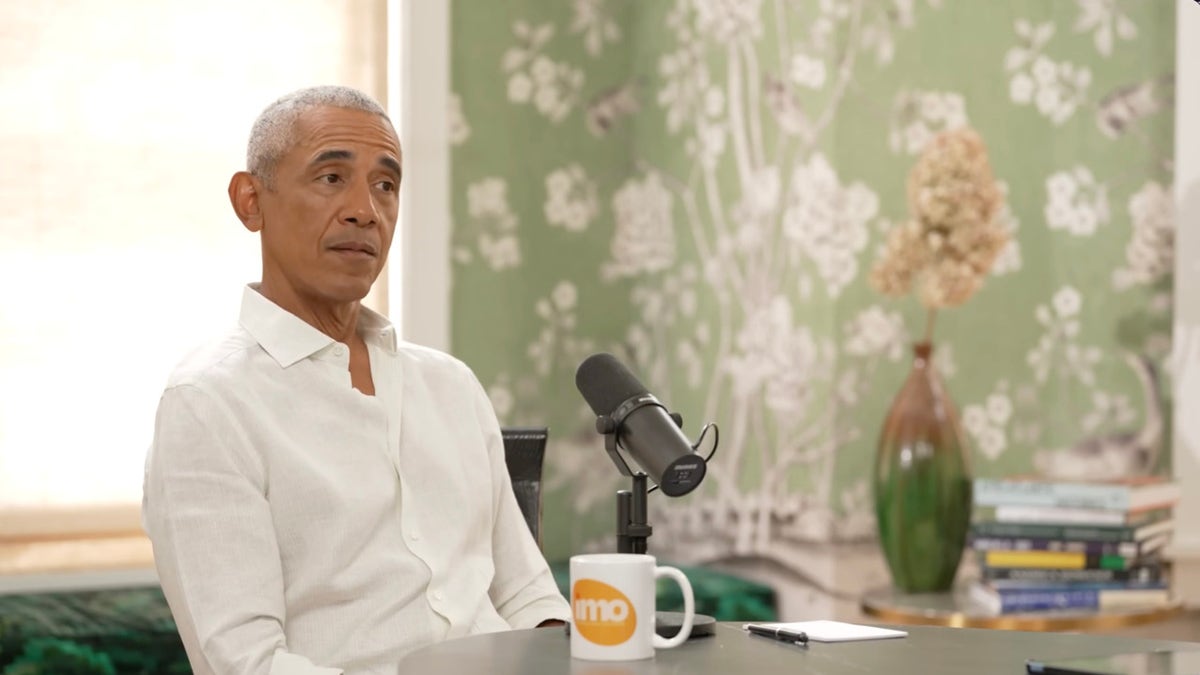
Former President Barack Obama, during a speech at Colgate University, criticized President Donald Trump’s AI policy, advocating for stronger federal regulation of the rapidly evolving technology amidst growing concerns over safety, employment, and human control. Obama expressed concern about the current administration’s lack of capability or willingness to develop a meaningful regulatory framework as technology advances swiftly.
Obama urged Democrats to prioritize AI as a key political issue, calling for Washington to implement a robust regulatory framework. Meanwhile, Amy Kremer, a Republican National Committee member and Humans First Chairwoman, stressed the need for policymakers to acknowledge AI’s risks without ceding increased control to governmental entities or technology companies.
Kremer emphasized the importance of creating guardrails that protect citizens while enabling U.S. innovation to lead globally. Her approach includes safeguarding children, workers, and national security while ensuring China does not dominate the AI industry.
In contrast, President Trump announced the creation of an “AI Force” and plans to appoint an AI czar. He reiterated his commitment to fostering industry growth as a strategic move against China. Trump emphasized that his administration would not impede the development of AI, viewing it as crucial to international competitiveness.
Obama challenged the notion that market forces alone can ensure AI safety, underscoring the inadequacy of relying on financial incentives and potential liabilities to manage risks associated with increasingly capable AI systems.
Kremer pointed out that legislative responsibility lies with Congress, urging it to establish serious guardrails for AI that transcend partisan disputes. She argued that Republicans should spearhead the framework ensuring protection and innovation while holding Big Tech accountable, preserving states’ rights, and maintaining local control.
Leading AI executives support enhanced caution regarding the development of advanced AI systems. Figures such as Anthropic CEO Dario Amodei, OpenAI CEO Sam Altman, and Elon Musk back calls for scrutinizing rapid technological advancements.
The White House’s AI policy framework emphasizes development while circumscribing what it regards as burdensome regulations. The Trump administration’s legislative framework addresses national concerns including child safety, freedom of speech, workforce issues, and energy costs while promoting a uniform national AI policy.
Trump’s national security directive accelerates the adoption of advanced AI while ensuring systems used in national security are robust, steerable, and accountable.
Amidst rising industry demand for additional safeguards, executives inside the AI sector echo calls for precautionary measures. Fox News Digital attempted to solicit comments from the White House without success.
CJ Womack, associate editor at Fox News, contributes vital journalism insights influencing political and cultural landscapes. Graduating from Long Beach State University with a degree in Political Science and a minor in Journalism, CJ has extensive experience in media analysis. Contact [email protected] and follow him on Twitter for insights.