
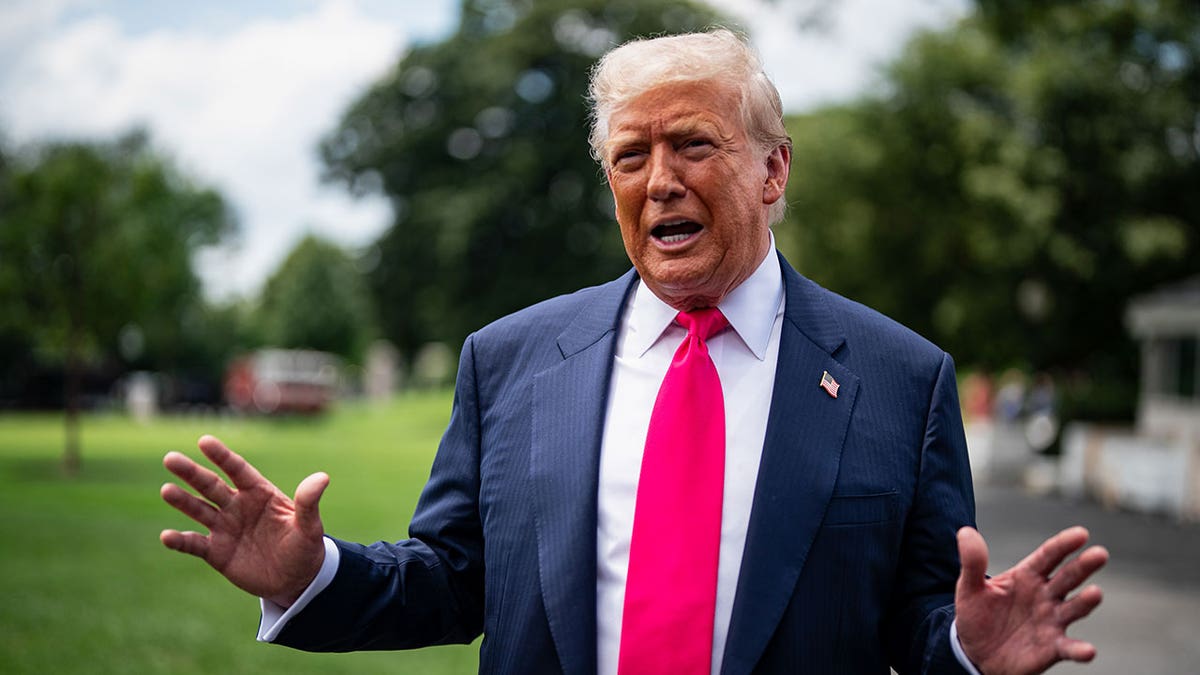
President Donald Trump recently dismissed calls for tighter controls over artificial intelligence (AI), suggesting that strong leadership, rather than regulatory constraints, is what’s needed. Despite some industry leaders in Silicon Valley advocating for a slowdown in AI development, Trump’s stance remains firm that the U.S. needs a ‘strong and smart’ presidency.
Industry Concerns Over AI Development
Dario Amodei, CEO of Anthropic, has urged AI companies to moderate their development pace to avoid creating systems that surpass human comprehension or control. Some of the AI field’s top leaders, including OpenAI’s Sam Altman and Elon Musk, support Amodei’s position.
AI and crypto advisor David Sacks argued against governmental intervention, suggesting companies like Altman’s OpenAI and Amodei’s Anthropic already have the power to self-regulate. Sacks criticized companies for appearing to seek permission or regulatory frameworks to slow their progression, interpreting this as posturing rather than necessity.
Trump’s Perspective on AI Regulation
Trump has argued that the U.S. already holds significant regulatory power over these AI companies and warns that additional constraints might only benefit global competitors like China in the tech race. He emphasizes the importance of maintaining the U.S. lead in AI advancements.
The Trump administration previously marked Anthropic as a supply-chain threat and restricted its tech from government use, though a federal judge recently paused this designation.
Ongoing Debate
The call for strategic pacing in AI development does not aim to halt progress. Rather, it seeks to slow advancements sufficiently to allow for the alignment and safeguarding of systems. Companies like Anthropic have initiated some measures, such as third-party evaluations of their safety practices. OpenAI is following a similar approach.
Sacks, however, criticized the suggestion that antitrust laws need to be bypassed for such cooperative measures, emphasizing that companies can voluntarily slow themselves without need for external approvals.
Geopolitical Implications
Sacks and others caution that even if American companies enforce self-restraint, China may not adhere to global agreements on AI development. Amodei acknowledges the potential security risks posed by a unilateral American slowdown.
Despite these concerns, Sam Altman of OpenAI suggests immediate strengthening of safety practices by AI companies. He advocates for enhanced safety standards, independent auditing, and proactive safety assessments before further AI model development. Altman calls on the industry to establish and adhere to consistent safety benchmarks, underlining the need for responsible AI development.