
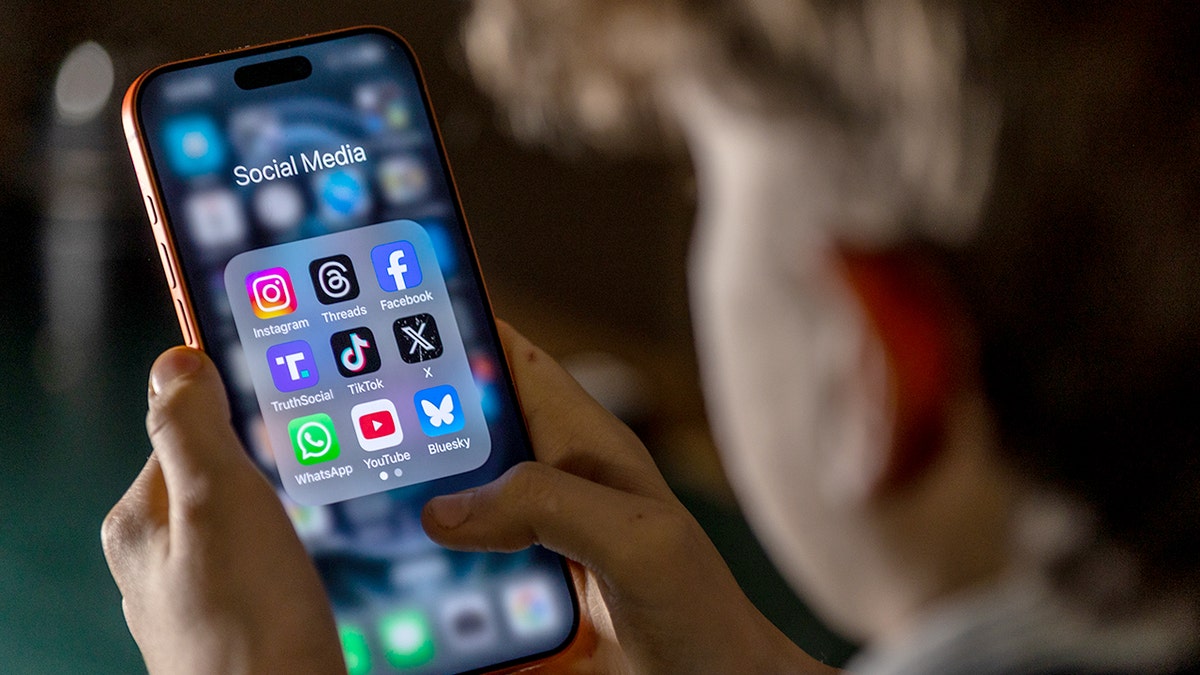
Imagine posting photos from a concert on Instagram, then receiving an email offering exclusive pictures from that evening. It seems legitimate. But researchers at the University of Texas at Arlington have exposed the possibility that scammers, leveraging artificial intelligence, could trick you by studying your social media activity.
AI and Phishing Scams: A Dangerous Combo
AI tools can mine personal details from public social media accounts, crafting personalized phishing emails with ease. This technology allows for scalable and convincing attacks that previously required more effort. Think about your recent posts. Could they be used against you in a phishing attempt? This research indicates that the answer is yes.
How AI Utilizes Your Social Media
You’ve likely encountered phishing emails warning of a bank account issue or a missed delivery. Traditionally, these emails are recognizable. However, AI now allows scammers to employ a more personal touch. The research highlights context-aware spear phishing, where scams leverage everyday details to craft a message seemingly tailored just for you.
Consider a recent trip you shared on Instagram. Scammers could craft an email appearing to be from your hotel, offering a discount for your next stay. The email aligns with your experience but could link to a site intent on stealing your information.
Research Findings
The study, led by Shirin Nilizadeh, shows the minimal personal knowledge needed for such attacks. Public social media posts offer sufficient data for crafting believable scams. A controlled study showed participants often found AI-generated phishing emails more convincing than real ones.
Growing Challenges with AI-Driven Phishing
Scammers might not even need direct access to your social media accounts. Publicly shared information can make a scam email seem familiar. Emails mentioning a recent restaurant visit or concert could seem innocent but serve to manipulate your trust.
AI can automate much of this process, making the emails sound professional. With fewer traditional warning signs like spelling errors, users might not suspect a thing.
AI Safety Gaps
While it’s expected that AI companies incorporate safeguards to prevent abuse, researchers found significant gaps. Tested AI safety tools detected as little as 0% to 19% of phishing requests. However, specialized adjustments raised detection to 99%, showing potential for stronger future safeguards.
Protection Tips Against AI-Driven Scams
- Set Social Media to Private: Limit visibility of your posts to reduce data exposure.
- Mind Your Location Sharing: Share travel experiences after your return to avoid real-time tracking.
- Verify Suspicious Emails: Use official apps or verified contacts to confirm email authenticity.
- Use Antivirus Software: Update and employ antivirus tools for additional security.
- Consider Data Removal Services: Opt for services that help remove your data from public listings.
- Strong Passwords and Multifactor Authentication: Use unique passwords and enable multifactor authentication where possible.
- Regularly Update Devices: Ensure that your tech and software have the latest security updates.
What to Do If You Click a Phishing Link
- Stop interacting immediately and close the webpage.
- Run a scan with your antivirus software.
- Change any compromised passwords via official websites.
- Monitor your account activity closely.
- Contact your bank if financial details were shared.
- Report the scam to relevant authorities.
The ease with which AI can use our information to send seemingly legitimate emails is alarming. A temporarily convincing email could cause significant damage if you don’t pause to question its legitimacy.