
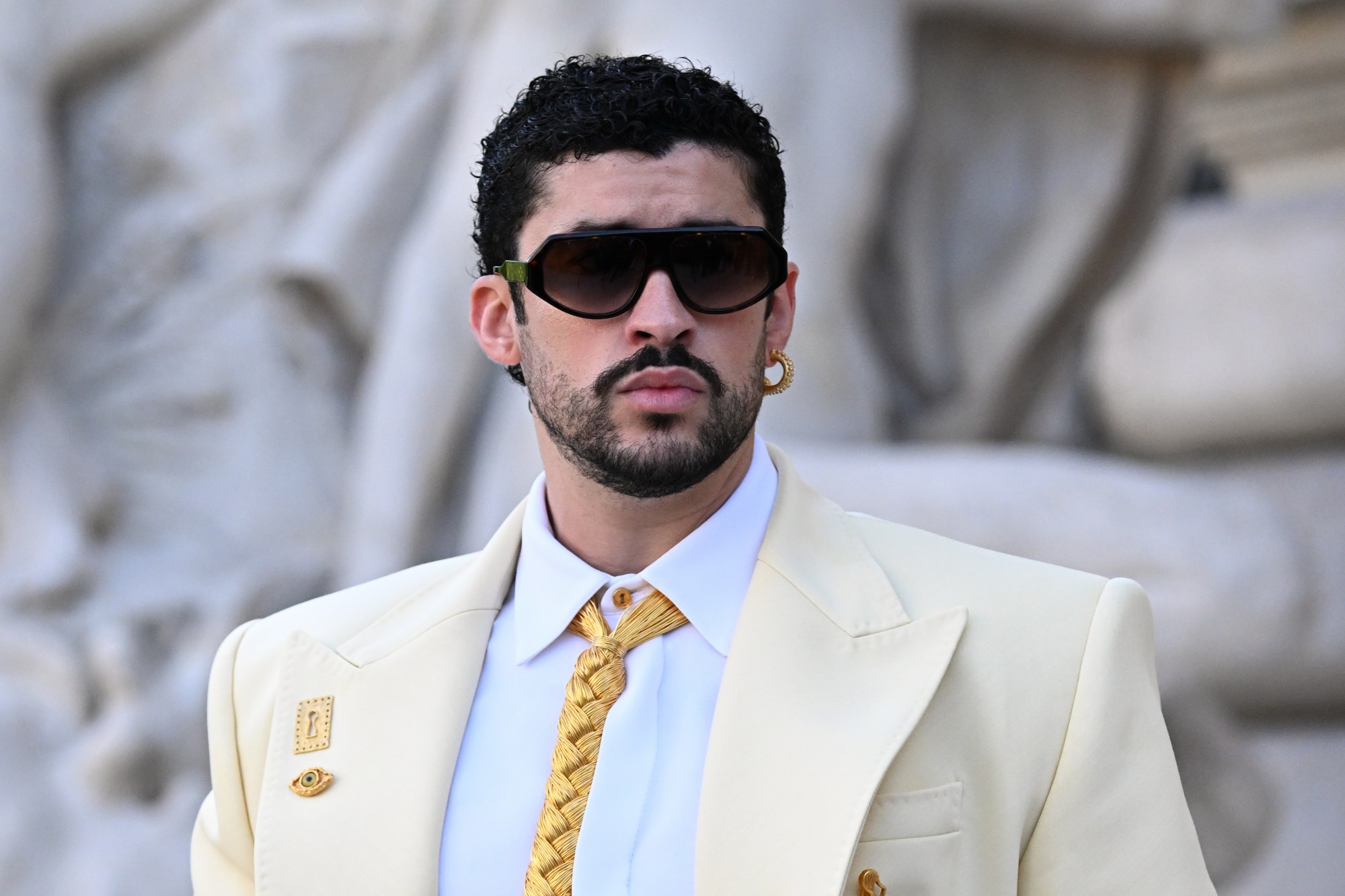
Bad Bunny attended the Schiaparelli Haute Couture Fall/Winter 2026-2027 Women’s collection in Paris. When he discovered “Demo 5: Nostalgia,” a reggaetón song using an AI-generated version of his voice, including fake verses from Daddy Yankee and Justin Bieber, he took action. He posted on WhatsApp, advising fans to leave if they enjoyed the counterfeit track. The issue has grown significantly since then.
The nominees for the 27th Annual Latin Grammy Awards have been announced as National Hispanic Heritage Month begins. Now is a critical moment to assess the challenges facing Latin artists. An investigation by The Atlantic revealed AI training datasets containing approximately 21.2 million tracks, including Bad Bunny’s music, used without permission. Universal Music Group and Sony Music are suing the AI platform Suno for unauthorized use of their recordings. Latin music, the world’s most streamed genre, now faces intense competition from AI-generated tracks.
Deezer, a streaming service, reported that nearly half of its daily uploads are AI-generated, competing with human artists for playlists, royalties, and listener attention. In 2025, U.S. Latin music revenue surpassed $1 billion, marking ten years of growth. However, a study by the International Confederation of Societies of Authors and Composers warns that music creators could lose nearly 25% of their income to AI by 2028.
Latin music has been undervalued in the past, often seen as a niche despite significant sales. With AI, there’s no contract for artists to fall back on, risking their creative ownership. Two possibilities exist: In May, Congress reintroduced the NO FAKES Act to protect voice and likeness against unauthorized AI replicas. Suno, an AI company, recently partnered with Warner Music Group and BMG to compensate artists, showing consent and payment are possible.
Artists must demand protection, starting with clear contracts, robust metadata, and collective efforts. No artist can confront a dataset of 21 million songs alone. The issue extends beyond U.S. borders. AI trained in one country can replicate voices globally, requiring broader legal agreements to ensure artists worldwide are protected.
During National Hispanic Heritage Month, we celebrate Latin music’s success stories — billion-dollar revenues and sold-out tours. Yet, without protection, this success can quickly become nostalgia. The creators of reggaetón, salsa, and bachata deserve more than applause; they must secure ownership rights as AI sophisticatedly imitates their work. National Hispanic Heritage Month prompts us to ask whether these creators will receive fair compensation.
José Valentino Ruiz, an associate professor of music business and a multi-Latin Grammy Award-winning composer, underscores the importance of this issue. The future of Latin music depends on effective measures to protect the voices that define it.