
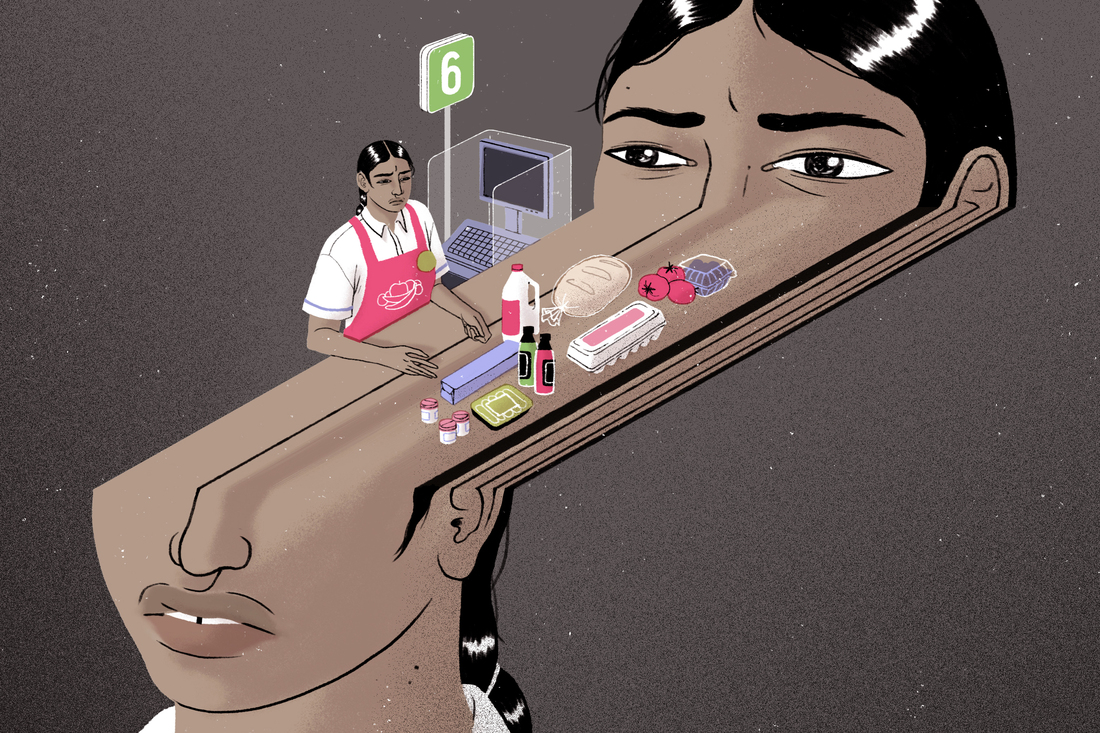
Maintaining mental health at work is crucial. Whether it’s depression, anxiety, or burnout, these issues can affect your life and job performance. People often feel discouraged from taking time off for mental health compared to physical ailments. The common mindset is to push through. However, addressing mental health is vital and normal.
Jody Adewale, a psychologist, emphasizes that mental health challenges are not a sign of weakness but a universal experience. Life Kit consulted experts to explore signs of mental health issues and options for improvement. Although no job is perfect, strategies exist for employees and managers to create better work environments.
Recognize Mental Health Decline
Begin by checking your body’s signals. Increased tension, disrupted sleep, or loss of appetite could indicate declining mental health. If these are absent, be aware of the five signs of emotional distress:
- Drastic personality change
- Agitation or unexpected anger
- Withdrawal from social interactions
- Poor hygiene
- Feelings of hopelessness
Even one sign is worth addressing. Assess your current habits honestly. Consider changing routines, talking to a friend, or reducing social media time. If necessary, bring up concerns at work.
Discuss with a Trusted Person
If you need help, talk to a trusted colleague. Reliable coworkers provide support and guidance. Supervisors might offer resources for mental health support. Human resources (HR) can also help, but remember that HR prioritizes the company.
If an employer retaliates because of your mental health, contact the U.S. Equal Employment Opportunity Commission to file a claim. Use the DEAR method in discussions:
- D – Describe the situation with facts.
- E – Express how it impacts you.
- A – Assert your needs.
- R – Reinforce how it benefits everyone.
Additionally, remember the MAN acronym:
- M – Be mindful and present.
- A – Be assertive about mental health matters.
- N – Negotiate feasible solutions.
Your boss or coworker is not a therapist but can direct you to help like an employee assistance program (EAP), offering therapy sessions at no cost.
Consider Taking a Break
If therapy isn’t enough, consider taking a break from work. This could range from a day to several months. Processing, resting, and healing can significantly improve your situation. Inquire with HR about short-term disability leave for mental health.
Vermont journalist Siobhan Neela-Stock took over two months off and received positive support. More people now discuss mental health leave as a viable choice. Addressing mental health is becoming more accepted.
Foster a Psychologically Safe Environment
Creating a mentally healthy workplace starts with ensuring psychological safety. This term, by researcher Amy Edmondson, highlights the need for safe work environments where employees can express themselves without fear. Employers and employees should foster this safety in any setting.
Team engagement and honesty are vital. Employers should be transparent and open to feedback. Mistakes are permissible in a safe environment, promoting learning and growth instead of criticism.
Aviles underscores that such environments encourage creativity and growth.
Resources
- The CDC offers extensive workplace mental health resources.
- Mental health first aid training is available for interested individuals.
- Made of Millions provides global mental health resources and training.
- Not 9 to 5 focuses on mental health advocacy in foodservice and hospitality.
- ShiftCollab offers insights into psychological safety in the workplace.
- The U.S. Equal Employment Opportunity Commission explains workplace mental health rights.
The podcast related to this story was produced by Andee Tagle. We welcome life hacks via voicemail at 202-216-9823 or email at [email protected]. Your tips might feature in an upcoming episode. For more from Life Kit, subscribe to our newsletter.