
On October 28, 2015, I had to leave my teaching job due to what I thought was the flu. I was feeling unwell, attributing symptoms to allergies and exhaustion from work and parenting. My headache wasn’t only aching; it was a severe burn. Navigating light, sounds, and smells became unbearable. Despite feeling unwell, I went to school, hoping to shrug it off. It didn’t work. At the nurse’s office, I realized I had a fever and decided to go home. My coworkers helped me leave school. I did not return for the next 15 months.
That day, my children were with my ex-husband. Returning home, I went straight to bed, intermittently waking for water or bathroom breaks. My fever worsened. I spent the next day in bed, eventually asking my mom for help picking up my kids. My mom showed concern. She insisted on a doctor’s visit due to my deteriorating condition.
Later that day, I had unusual experiences. Voices of my deceased relatives filled my ears. I saw bats in my room. These hallucinations were terrifying and left me questioning my sanity. Dizzy and unable to lose consciousness, I knew I needed help. I contacted my boyfriend to take me to urgent care. At the hospital, I collapsed after vomiting and waited for the doctor.
After undergoing a CT scan, I was informed about a mass on my brain requiring more tests. My nurse sister arranged for my transfer to the University of Pennsylvania’s ICU. Doctors suspected a brain infection. They started treating me with antivirals. My brain’s condition progressed quickly. I was on the brink of a coma.
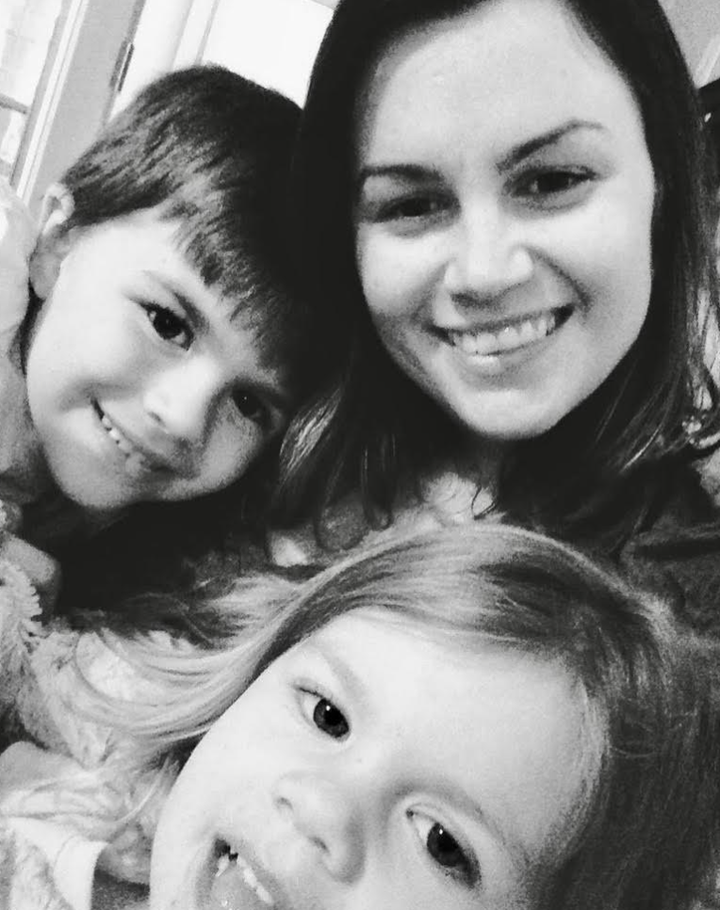
I was very sick and scared, but relieved to be back together.
After being diagnosed with herpes simplex virus encephalitis, a rare outcome of HSV-1 for an estimated one in 250,000 to 500,000 people annually, I learned about the potential risks. These include long-term symptoms, neurological damage, or even death. I had engaged the virus twice in the past, yet never imagined it in my brain.
I was in shock when I received my diagnosis. I demanded to understand why. The doctor explained it was an accident, unrelated to my lifestyle choices. I searched for answers on the internet but found none. Feeling isolated, I attributed this to chronic stress weakening my immunity.
My memory of those days in the hospital is hazy. I remember doctors and visitors, though conversations remain unclear. I stressed over my students, communicating with my school despite being bedridden.
The treatment for my encephalitis involved acyclovir. Receiving it early was crucial, considering a study indicating a 12% ICU death risk. Though the encephalitis led to some damage, timely treatment prevented further harm.
I was discharged after a week but continued treatment at home. My energy and cognitive abilities were limited. My room filled with medical equipment, contrasting with my prior independence. Recovery was challenging. Learning how to cope mostly came through my own research.
I later joined encephalitis survivor groups, learning that recovery varied per individual. Common struggles include fatigue and memory loss. I managed symptoms through rest and careful planning, though progress was gradual.
Months later, I remained out of work. I attended numerous appointments and therapies, fitting this around my children’s care. When possible, I engaged in professional development courses.
Some days fatigue overwhelms me, affecting my role as a teacher and mother. Other days I rest and recuperate. Brain fog lingers, demanding cognitive adjustments.
Seven years ago, I couldn’t imagine climbing hills.
Reflecting on life changes, I gained empathy for students with neurological challenges. I employ various coping strategies, like list-making and routines. These support both myself and my children.
Alongside the lessons from my divorce, the experience taught me about life alterations. Moments with my children have become precious. I treasure even the simplest activities, like playing catch or singing in the car.
Despite considerable loss, encephalitis gifted me a deeper appreciation for life. I value connections with those who understand, despite not experiencing the same trials.
Brigid Ward is a high school English educator and writer of personal essays. She cherishes storytelling and is working on a book with her daughter. Living outside Philadelphia, she draws inspiration from her family. She welcomes contact at [email protected].
This piece, part of HuffPost Personal’s “Best Of” series, originally appeared on HuffPost.