
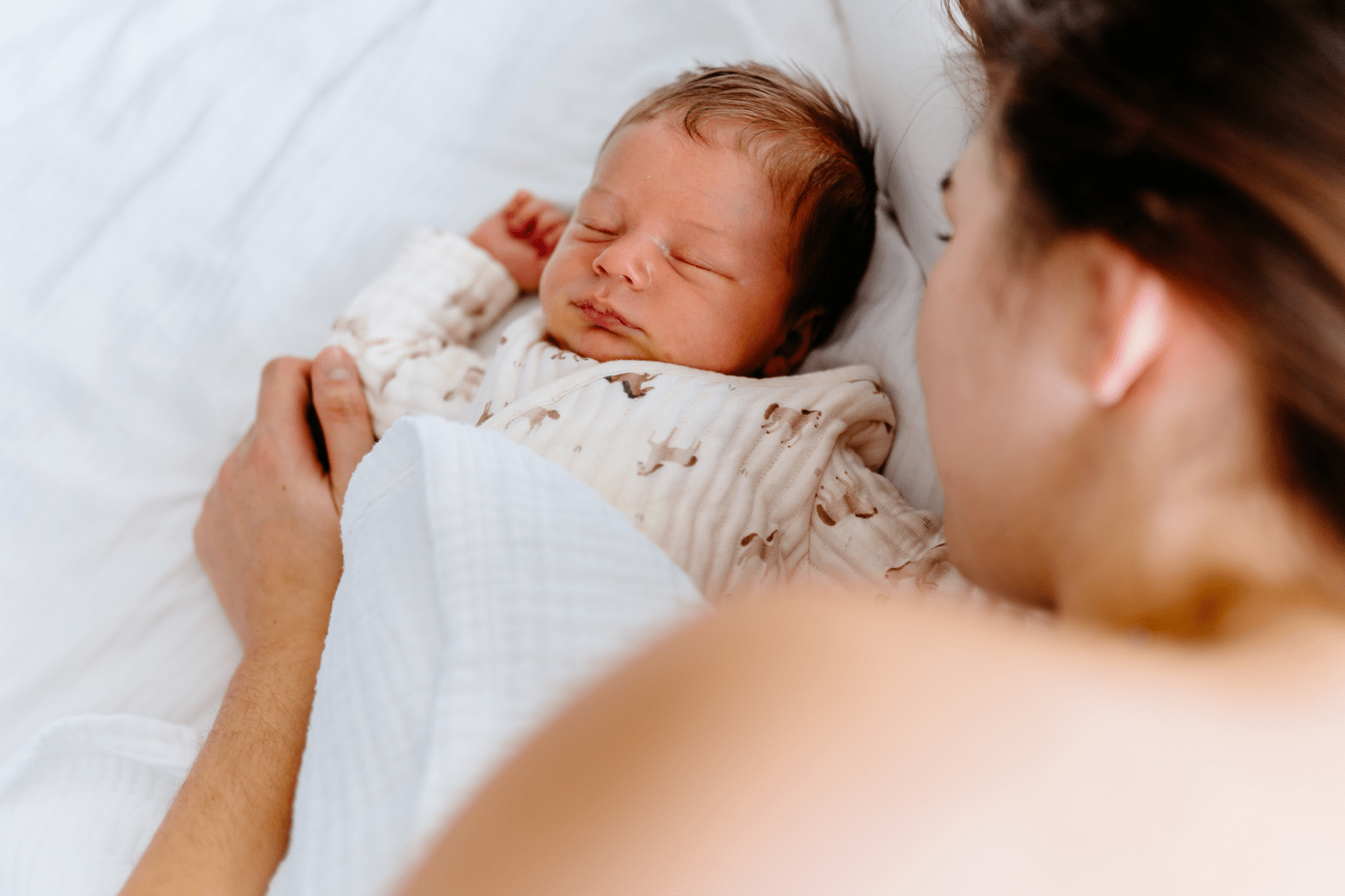
A mother has shared the ’11 rules’ she adopted postpartum after her second child’s birth. These practices, rooted in traditional care, might appear unconventional in modern Western culture.
Chantal Wijbrandi, a 38-year-old from the Netherlands, discussed with Newsweek her list that includes several practices: staying mostly in bed for two weeks, avoiding leaving the house for 40 days, consuming only warm, cooked foods, and receiving regular massages and support from family and friends. Additional practices involve belly binding, herbal sitz baths, and focusing on rest, nourishment, and community support.
After the birth of her first child, Wijbrandi embarked on extensive research about postpartum practices worldwide. She trained as a Holistic Postpartum Practitioner, discovering common elements across various traditional cultures. These elements include extended rest, warm nourishing foods, focus on bonding, and strong community support.
She highlighted traditions such as China’s ‘sitting the month,’ Latin America’s la cuarentena, South Africa’s Zulu umsamo – reflecting her heritage – and Europe’s historical ‘lying-in’ period.
Her initial postpartum experience was marked by a traumatic birth and lack of support. Wijbrandi held the belief that independence equated to being a good mother, which left her feeling isolated and overwhelmed.
By her second pregnancy, she shifted her approach to postpartum recovery, aiming for a peaceful and sacred experience. Wijbrandi emphasized the necessity of rest, nourishment, and community, noting how taking it slow for the first 40 days significantly aided her physical healing.
Chantal highlighted the difference between traditional and modern postpartum care. Traditional practices focus on the mother’s well-being, while modern culture centers the newborn. She observed that baby showers, gender reveal parties, and nursery preparations often overshadow the mother’s needs.
For skeptical mothers, Wijbrandi encourages reconsideration of postpartum support. She urges women to embrace support and love, viewing it as a birth rite and essential for recovery.