
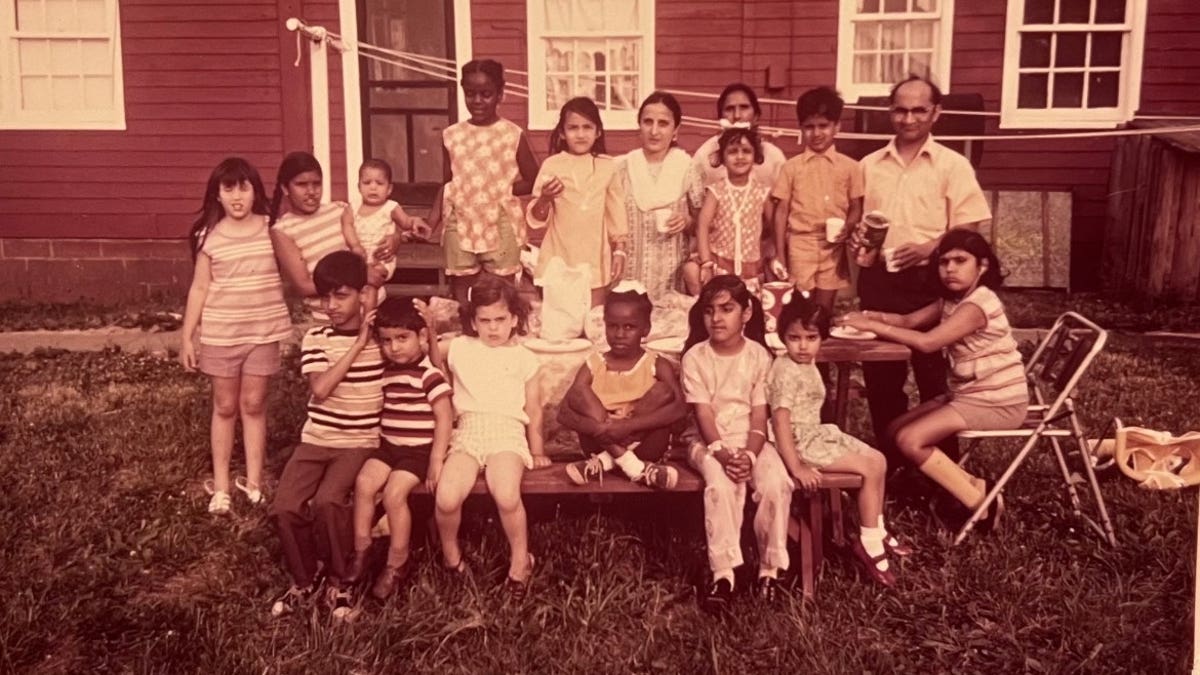
Zafar Nomani, born in India in 1933, lived with a profound sense of gratitude. He shared this philosophy with his daughter, demonstrating the sacred joy found in hard work and even the simple act of planting a flower. In 1962, Zafar was a visiting professor at Kansas State University. One day, he saw his professor help wash cars alongside students. This moment stayed with Zafar for the rest of his life. He valued the dignity of labor.
Now, as Zafar’s family mourns his passing at age 93, his daughter reflects on the teachings of her father. She recalls challenging the patriarchy but realizing that her growth as an investigative journalist stemmed from her father’s quiet strength and support. Living in America from 1969, she grew up amidst feminism and women’s rights movements, learning to question male power and societal constraints. Despite her father’s lack of verbal communication about feelings, his actions expressed commitment and service.
Zafar’s teachings extended beyond words. He never viewed life’s hardships as burdens. Rather, he embraced the philosophy of ‘I get to…’ rather than ‘I have to…’ This mindset came from his early life adversities, like surviving the Bengal famine of 1943.
After emigrating from India, Zafar worked tirelessly to provide opportunities for his children. He believed in creating chances for others, not hoarding them. Whether it was driving his daughter to interviews or standing by her during challenging times, Zafar embodied service through action.
He showcased this ethos when his daughter decided to become a journalist. Despite cultural expectations, Zafar supported her ambitions, including driving her to interviews in New York City and assisting with her grad school transition in Washington, D.C.
In his later years, Zafar remained a pillar of support, advising his daughter to help her friend during one of the darkest periods of her life. He extended unconditional love and guidance, emphasizing learning from all life experiences—a lesson that his daughter carried forward as an investigator and journalist.
Zafar practiced the Islamic tradition of fasting and became a pioneer in related research. Yet, the most significant experiment he conducted was one of unconditional love, serving as a constant in his family’s assimilation journey.
His perceptive nature shone through in moments of misunderstanding. Instead of deploying authority, he would listen and adapt, embodying a scientist’s openness. With each act of love, he demonstrated dignity without expecting applause or reward.
In recent years, Zafar stood beside his daughter advocating for Muslim women’s rights. His quiet courage allowed her to push boundaries securely. While she thought her strength stemmed from opposing him, it actually grew due to the grace and space he offered.
Even after his passing, Zafar’s legacy lives on. His daughter grasps the important lessons of her father’s life. Understanding the dignity of labor means appreciating service to others—a principle Zafar held dear.
This Labor Day, she feels his presence as she honors his memory through serving her family and community, just as he taught—knowing the work is a privilege.