
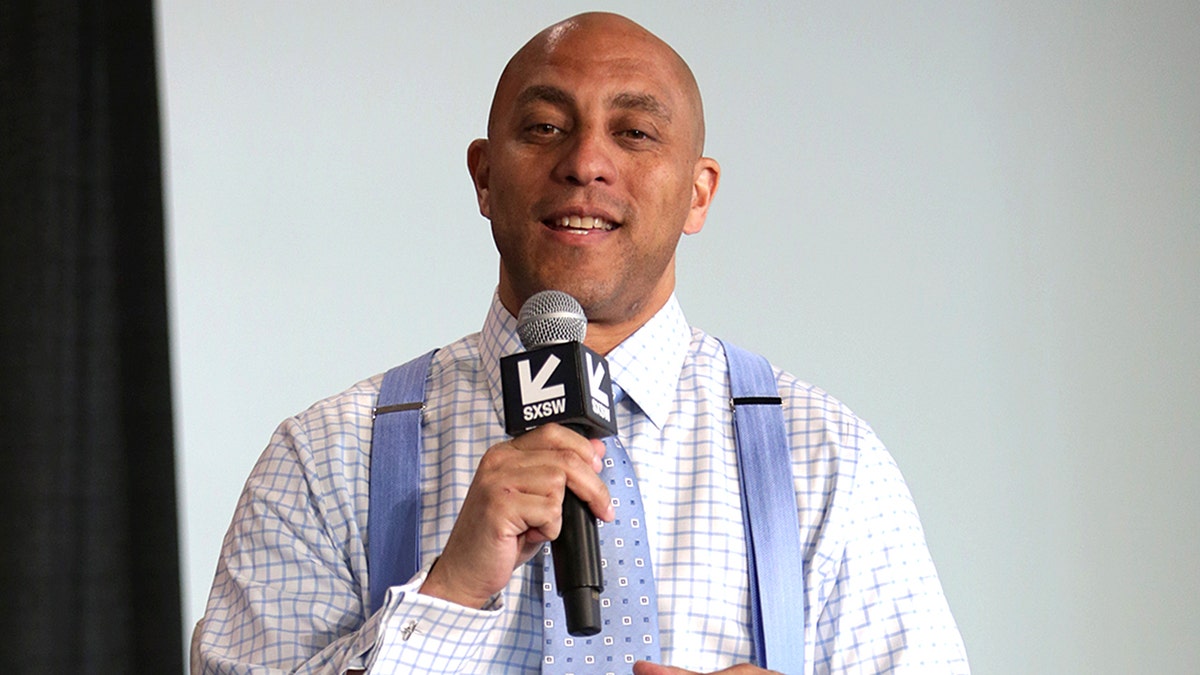
Hasan Kwame Jeffries, a history professor at Ohio State University and brother of House Minority Leader Hakeem Jeffries, has called for citizens to use any means necessary to combat the system. He evokes John Brown, a controversial historical figure who murdered pro-slavery individuals, as a model for achieving change. This comparison has stirred debates about the appropriateness of violence in political activism.
In a social media post highlighted by Libs of TikTok, Jeffries stated that John Brown rightly believed that eradicating white supremacy requires eliminating white supremacists by any means necessary. Such sentiments have drawn parallels to political violence in an era already marked by rising attacks and even assassinations.
John Brown, a central figure in the ‘Bleeding Kansas’ period and the infamous Pottawatomie massacre of 1856, led a violent crusade against pro-slavery settlers. His actions, including a raid on Harpers Ferry, aimed to incite a slave uprising. Brown was executed for his actions but is remembered for his decisive role in sparking the Civil War.
Frederick Douglass, while admiring Brown’s passion, critiqued his violent methods and favored political change over violence. Similarly, Abraham Lincoln condemned Brown as an insane zealot, rejecting his methods.
Stacey Patton, a journalism professor at Howard University, echoes Jeffries, urging white allies to emulate Brown. She critiques the often protective and self-centered nature of inquiries about supporting minorities. Her stance suggests that real change demands disruptive actions like those of Brown.
The call to adopt Brown’s violent legacy resonates with some modern political actors. For instance, Texas candidate Graham Platner identifies with violent groups and has evoked John Brown in rhetoric advocating radical actions for social change.
Jonathan Turley, in his book ‘Rage and the Republic’, explores this trend of radical voices calling for violence rather than political discourse. He draws parallels to the French Revolution, cautioning that such rage-fueled paths often lead to destructive outcomes. The historical warning from figures like Robespierre, who equated terror with justice, serves as a reminder of the potential perils of embracing violence for political ends.