
Escalating Tensions in Mongbwalu
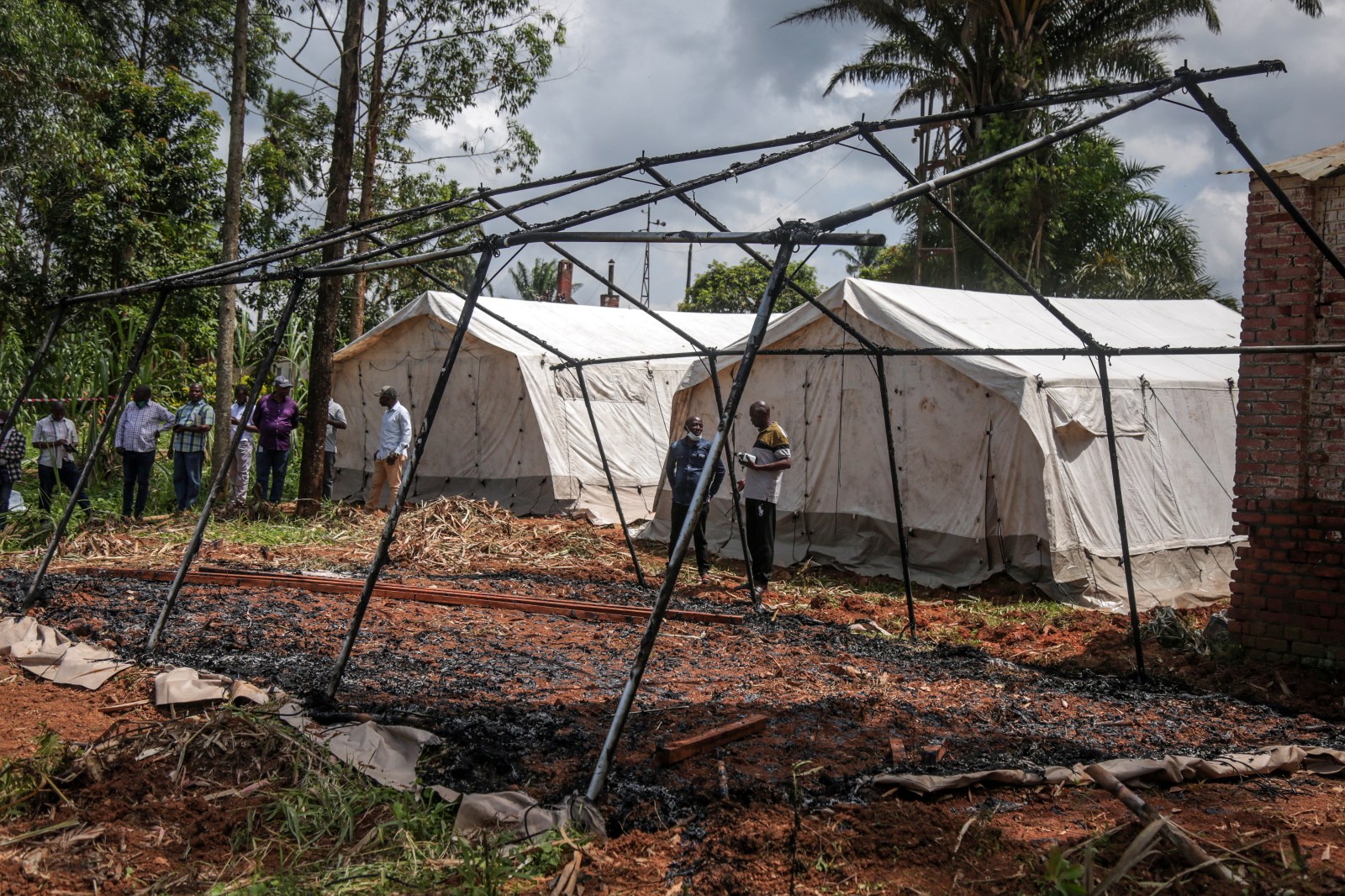
In eastern Democratic Republic of the Congo (DRC), tensions have risen as residents in Mongbwalu set fire to a medical tent, prompting the escape of more than a dozen suspected Ebola patients. Dr. Richard Lokudi, director of the local hospital, reported the incident, emphasizing the panic it caused among healthcare staff. The World Health Organization (WHO) regards the situation in the DRC as a ‘very high’ risk due to the presence of the Bundibugyo Ebola virus, a strain with no specific vaccines or treatments available.
A spokesperson for Médecins Sans Frontières (MSF) confirmed the tent was empty during the fire and no one was injured. The outbreak of violence follows authorities’ refusal to release the body of an Ebola victim, further exacerbating community tensions.
Community Engagement and Ongoing Efforts
The unrest highlights the necessity for community engagement in addressing the Ebola outbreak. Despite the setback, MSF remains dedicated to completing a 60-bed treatment center, providing patient care, and maintaining essential services. A spokesperson stressed the importance of building community trust in successfully managing the outbreak.
Civil Disturbances Over Burial Procedures
The Mongbwalu incident mirrors previous unrest in Rwampara, where residents confronted officials after they restricted access to an Ebola victim’s body. Health officials emphasize the dangers of non-compliant burials, which can serve as points of transmission. The Red Cross oversees these burials, ensuring full protective measures are in place. In Rwampara, security forces utilized tear gas and warning shots to disperse a gathering crowd, leading to further aggression as protesters ignited medical tents operated by ALIMA.
Current Scale of the Outbreak
WHO Director-General Tedros Adhanom Ghebreyesus reported 82 laboratory-confirmed cases and seven deaths, with the true scale of the outbreak likely higher. An Associated Press report suggests 750 suspected cases and 177 suspected deaths, a number expected to rise with ongoing surveillance. The DRC health ministry records reflected 670 suspected cases by Thursday, with 160 suspected deaths.
Initial Outbreak and Response
The outbreak began in April, with a nurse in Bunia identified as the initial case. Following retrospective investigations, it was found that the virus may have been active prior to being formally declared in early May after confirmation of the Bundibugyo virus. By mid-May, alerts were issued in neighboring regions, and CDC expanded its screening in U.S. airports.
Ebola’s Lethal Impact
Ebola, discovered near the Ebola River in 1976, continues to pose a significant threat with variable mortality rates, from 25 percent to 90 percent depending on strain and healthcare. The Bundibugyo strain involved in the current outbreak has a historical mortality rate of 30 percent to 50 percent. However, barriers to accessing rapid medical care contribute to a higher estimated current mortality rate of 55 percent to 60 percent, according to the Pan American Health Organization (PAHO).
The disease overwhelms the body, causing severe illness and organ failure. Early intervention with supportive care can improve survival, though the current DRC outbreak reflects the harsh challenges of delivering timely healthcare.