
Mike Durglo Jr. dedicated his life to confronting the challenges of climate change. As the climate change coordinator for the Confederated Salish and Kootenai Tribes, he crafted one of the earliest tribal climate action plans in the U.S. over 15 years ago.
Taking Action on Tribal Land
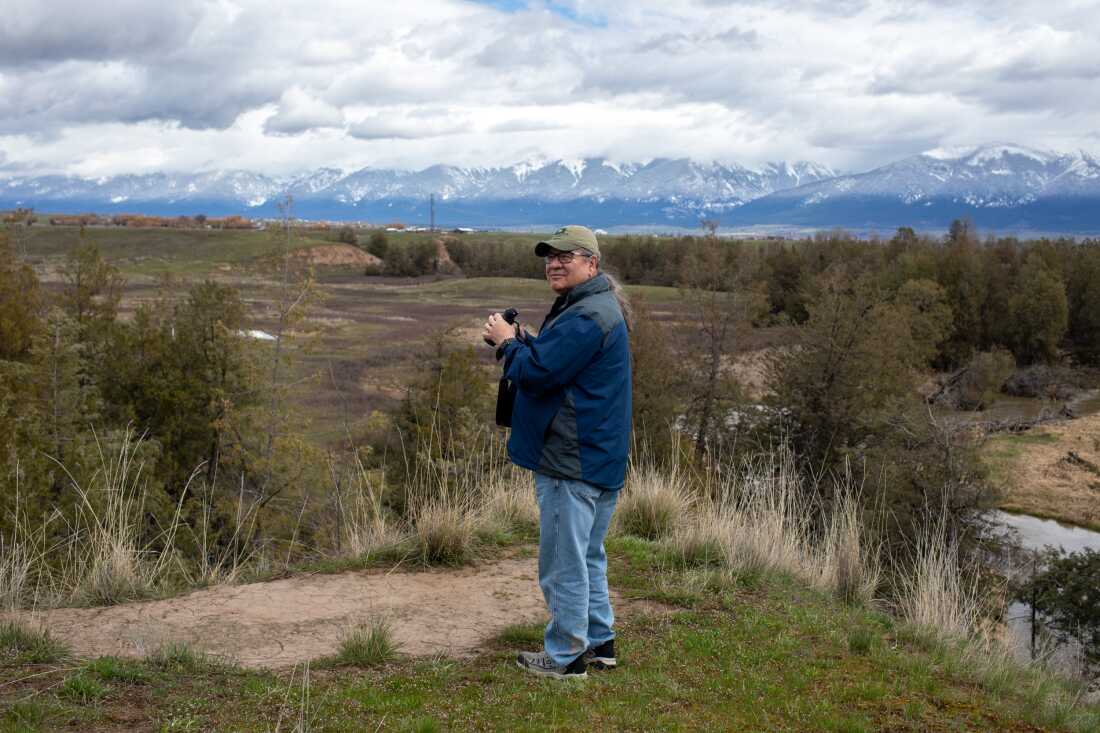
Mike Durglo Jr. stood on a hillside overlooking the Flathead Indian Reservation in Ronan, Montana. He pointed to mountains where his father taught him to track deer and to a distant peak with a lone whitebark pine. This tree holds significance for Durglo, symbolizing resilience against change. Warm weather, beetle outbreaks, and an invasive fungus have halved the sacred tree population since the 1990s.
The Confederated Salish and Kootenai Tribes are combating this decline by harvesting cones from healthy trees and propagating resistant seedlings. Restoring these pine forests can retain snow longer, thus reducing drought and the risk of wildfires.
Sovereign Climate Action Despite Setbacks
Durglo has served nearly two decades as the tribes’ climate change coordinator. He authored a comprehensive climate plan over 15 years ago, aiming to cut emissions and prepare for a warming climate. With Montana’s state-level climate efforts stalled under Republican leadership, tribal sovereignty allows the tribes to pursue climate action.
While federal funding for renewable projects was cut by the Trump administration, Durglo secured a $20 million grant from the Solar for All program, later revoked. He strategically sources funding from state, nonprofit, and multiple federal agencies to continue climate initiatives.
Traditional Ecological Knowledge is integral to the tribal climate plan, embracing projects like wind energy, water conservation, and ecosystem restoration. This holistic approach focuses on reducing wildfire risks and providing safe spaces from smoke for 33,000 residents.
Wider Impact and Sharing Knowledge
Durglo chaired the Environmental Protection Agency’s Regional Tribal Operations Committee, advocating for climate planning among tribes across multiple states. The return of management of the 19,000-acre National Bison Range to the tribes underscores a commitment to ecosystem restoration, emphasizing the ecological importance of bison.
Durglo recognizes Indigenous knowledge predates the term “climate change.” He leads successful restoration projects, such as reviving native fish populations and enhancing air quality monitoring with affordable DIY air filters. Updated every three years, the climate action plan now includes wildfire smoke focus, equipping schools with air-quality alert flags.
Mary Anderson, of the Montana Department of Public Health and Human Services, views Durglo’s efforts as exemplary for rural areas. Collaborating with tribes like the Blackfeet Nation, Durglo assists in tailored climate planning, emphasizing water retention strategies.
As federal funding diminishes, Durglo and tribal leaders meet to prioritize climate projects, seeking private grants rather than federal support. The gathered knowledge empowers sustainability and resilience, shaping enduring tribal responses to environmental challenges.