
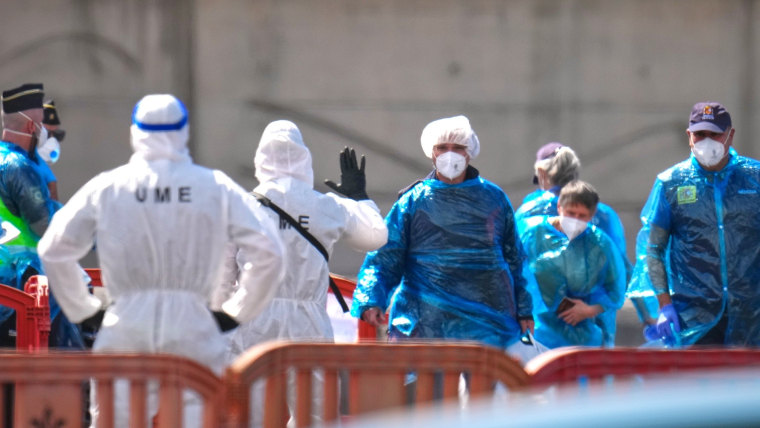
Recent reports from Illinois point to a suspected hantavirus case, highlighting the presence of this potentially lethal virus in the United States. The U.S. is not experiencing cases linked to the MV Hondius cruise ship, where the Andes strain led to three fatalities. This strain has not been detected in North America.
Hantavirus Strains and Spread
The Sin Nombre virus, a type of hantavirus found in the U.S., causes a severe lung condition. It spreads from rodents to humans through airborne particles from urine, saliva, or feces. Arizona records some of the highest infection rates, but other states are now considered hot spots. Recent studies indicate Virginia, Colorado, and Texas as areas with rodent hosts carrying the virus. These findings emerge from research by Virginia Tech scientists.
“We see human cases in states like New Mexico, but if you want to capture a rodent that is infected, Virginia emerges as a hot spot,” said Luis Escobar, a Virginia Tech associate professor.
The research by Escobar, driven by the need to understand animal-to-human virus transmission, involved analyzing over 14,000 rodent blood samples. Six new rodent species have been identified as potential hosts for hantavirus in eastern states where human cases are rare.
Potential for Human Transmission
Health experts clarify that, while the Andes strain is transmissible among humans, there are no signs of a pandemic. Seasonal increases in U.S. hantavirus reports are unrelated to the MV Hondius outbreak. From 1993 onward, the CDC has tracked 890 hantavirus cases across the U.S., predominantly in Western states like Colorado and New Mexico.
Environmental Factors and Risks
If dry weather persists, heightened risk looms, as rodents may shed more viruses. Los Alamos National Laboratory scientist Morgan Gorris highlights the impact of dry conditions on the virus’s airborne transmission. Human encroachment into rodent habitats exacerbates these risks.
“There is such a connection between humans, animals and the environment,” Gorris said, noting the importance of understanding these interactions in the context of emerging diseases.
Safety Measures
Following a recent Illinois case where an individual contracted hantavirus after encountering rodent droppings, the person is recovering from mild symptoms. To minimize hantavirus risks, the CDC advises against contact with rodents and their droppings. Proper cleaning protocols include:
- Ventilating areas by opening windows and doors for 30 minutes before cleaning.
- Wearing rubber or plastic gloves.
- Avoiding vacuuming or sweeping droppings, as this can aerosolize the virus.
- Disinfecting areas with a mix of 1 1/2 cups of bleach per gallon of water and letting it soak for 5 minutes.
- Using paper towels to clean up before disposing of them in a covered trash can.
- Washing and disinfecting hard surfaces, including floors and countertops.
- Properly washing hands after removing gloves.