
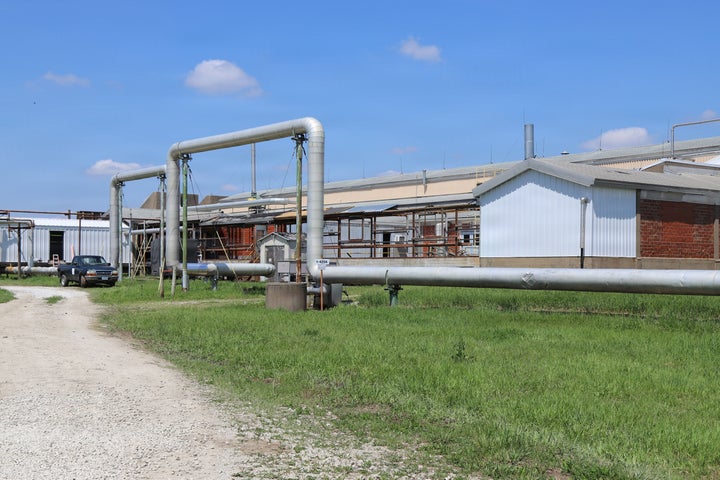
The U.S. Army has postponed the planned detonation of bomb-making chemicals in southeast Iowa due to public concerns. The delay followed apprehensions about potential environmental and health risks from lead dust. The detonation is now scheduled for Monday.
Iowa Governor Kim Reynolds played a role in the decision after speaking with Acting Secretary of the Army Adam Telle. Environmental groups also filed a lawsuit urging a halt to the plan. The detonation was initially set after barrels of dangerously unstable lead azide were found at the Iowa Army Ammunition Plant.
Cold weather increases the risk of unintended detonation, leading to the planned delay. Some residents of Middletown were previously advised to vacate their homes. Details of the detonation were shared at a public meeting, but wider communities, even those 100 miles away, were informed only recently.
“Public communication is essential to public trust,” Telle stated.
Approximately 400 people reside in Middletown, located about 160 miles southeast of Des Moines. Schools and businesses in the area had planned closures for safety reasons. Danville schools had decided to close on the day due to potential risks, according to School Superintendent Pat Wallace.
In Mediapolis, schools and public libraries also planned to shut down, and local fire departments intended to clean playgrounds likely to gather lead particles. Although explosions were expected to cause minimal vibrations, they could potentially break windows and create dust clouds lasting about an hour.
Researchers predicted that while lead levels in the air might rise, they would likely stay below harmful levels. Recommendations included cleaning outdoor surfaces to reduce risk.
Middletown residents were informed in March about the need to safely dispose of lead azide found after plant operations were halted. Lt. Col. Daniel Nosse emphasized the importance of safety, acknowledging the chemical’s volatility. Relocation of the barrels was deemed too risky, especially as winter approaches.
Experts, like University of Iowa’s Patrick O’Shaughnessy, highlight ongoing uncertainty about environmental contamination levels. Lead is a potent neurotoxin, with potential for severe health impacts. Andrew Whelton of Purdue University noted that brief high exposure can lead to sickness, while prolonged low doses can impede neurological development in children.
Local extensions, such as the Iowa State’s Des Moines County Extension, reported heightened concerns from residents about potential impacts on pets and gardens. Efforts to acquire soil test kits were overwhelmed by demand.
Environmental groups pursuing legal action argue that the Army did not explore all safer alternatives proposed by the EPA. These alternatives involved chemical neutralization methods, which officials deemed too dangerous due to the risk of accidental explosions.