
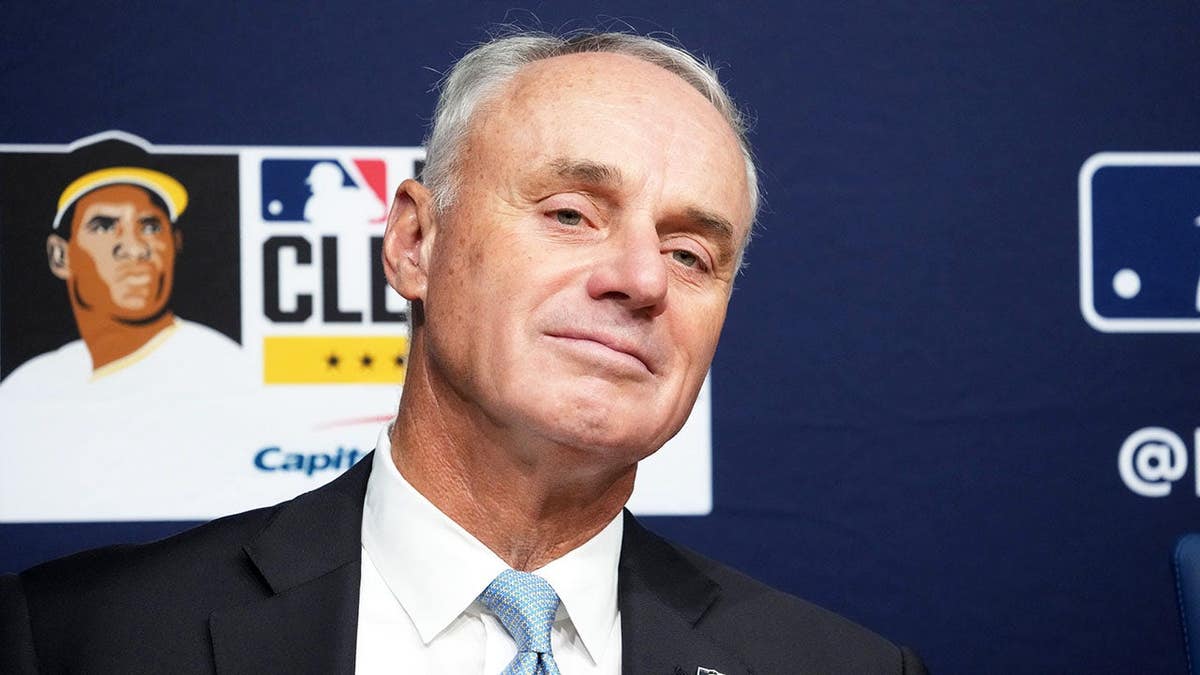
In the world of Major League Baseball (MLB), the future seems uncertain without an agreement on the Collective Bargaining Agreement (CBA). The current deal between team owners and the MLB Players Association expires soon, and both sides remain far from reaching a consensus. As negotiations linger, the specter of a prolonged work stoppage looms large.
The Debate Over a Salary Cap
The core of the disagreement lies in the proposed implementation of a salary cap. Unlike other sports leagues such as the NBA and NFL, MLB has historically avoided this measure. While team owners argue for a salary cap to ‘level the playing field,’ many players and analysts are skeptical. They fear the cap would restrict player earnings and concentrate talent in wealthier markets.
MLB owners’ latest proposal includes a notable gap between the proposed salary floor and ceiling. Critics argue that this disparity allows large-market teams to continue outspending smaller teams, undermining competitive balance. Despite the rhetoric, evidence suggests fans remain divided, with some supporting ownership views.
The Reality of Competitive Balance
Proponents of the salary cap argue that it would restore competitive balance. Analysis from experts, however, indicates MLB’s current level of competition is already significant. The Milwaukee Brewers, often considered a small-market team, won the 2026 World Series in impressive fashion. Similarly, the Tampa Bay Rays have reached the Series multiple times recently, outperforming many large-market teams.
Statistics indicate that market size and spending do not heavily influence playoff success. While some claim sustained spending correlates with regular-season success, the postseason remains unpredictable. Smaller market teams, through strategic management, frequently achieve success despite budget limitations.
Analysis of Spending and Success
Data from The Athletic suggests the purported advantages of high payrolls may be overestimated. The analysis shows that payroll accounts for little variance in team success. Specifically, just 17% of a team’s winning percentage can be linked to payroll differences, similar to benefits seen from groundball pitchers.
The analysis further notes that market size contributes negligibly to success. Even when comparing MLB to salary-capped leagues such as the NFL and NBA, MLB showcases more parity. In recent years, a significant percentage of MLB teams have made the playoffs, comparable to rates in other major leagues.
Conclusion: The Need for Accurate Information
The belief that a salary cap ‘fixes’ the game appears unfounded. While increased spending slightly aids regular-season wins, it does not correlate with World Series appearances or victories. The success enjoyed by large-market teams like the Dodgers often results from timing, talent, and luck rather than sheer financial power.
The narrative that spending equates to championships remains a simplification. Sustained high expenditures might enhance regular-season performance but hold little sway over postseason outcomes. The present negotiations highlight a need for accurate information, as misinformed beliefs could inadvertently justify a lengthy and damaging league shutdown.