
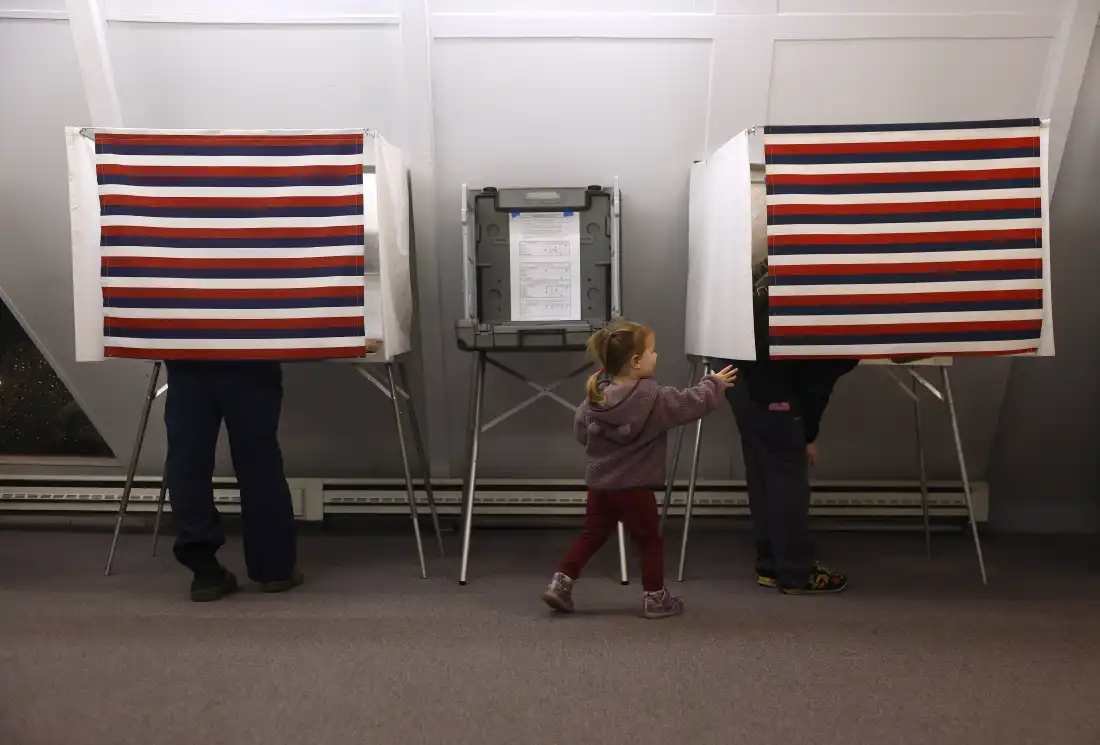
As voters headed to polling stations, affordability emerged as a central concern, highlighting childcare as a significant political topic. Initiatives to expand childcare took center stage during elections. In New Mexico, Democratic Governor-elect Deb Haaland pledged to enhance the universal childcare program.
The newly elected officials weren’t alone in focusing on this issue. Voters from cities like Baltimore and San Antonio approved measures to allocate tax revenues for local childcare programs. “This election felt different,” said Julie Kashen, a leader in advocating for women’s economic futures. “It was a momentum moment for childcare as a political issue.”
Childcare costs have increased, with the average yearly expenditure surpassing $13,000, according to Child Care Aware of America. Such expenses place a heavy financial strain on families. A poll by the First Five Years Fund in July showed 38% of parents named childcare as a top financial concern behind housing and groceries.
In response, politicians reacted. Around 75% of gubernatorial candidates discussed childcare policy. The Campaign for a Family Friendly Economy PAC spent over $40 million on competitive races to promote affordable caregiving policies.
Melissa Boteach from Zero to Three noted the systemic nature of childcare issues. “People realize it’s a collective problem needing collective action,” she explained. Years ago, policymakers occasionally invested in childcare, such as during World War II and the recent COVID-19 pandemic when the childcare sector faced turmoil.
Childcare and the Midterms
Public understanding of childcare shifted in many U.S. areas recently. Ruqiyyah Anbar-Shaheen of DC Action emphasized increased attention in places like Washington, D.C. Janeese Lewis George, D.C.’s Mayor-elect, promised to cap childcare costs at 7% of household income.
In Congressional races, childcare surfaced as well. In Pennsylvania’s 1st District, both Republican Brian Fitzpatrick and Democrat Bob Harvie addressed it. Despite supporting childcare legislation, Fitzpatrick lost. In Georgia, Keisha Lance Bottoms, Democratic Governor-elect, aimed for universal pre-K expansion through casino gambling. Childcare funding ballot measures succeeded in Boulder County, Colo., and Marin County, Calif., but failed in St. Louis, Mo., and Tempe, Ariz.
Challenges and Future Directions
Some areas faced setbacks, like in Florida where property tax cuts might harm childcare programs. Boteach predicts the new Democratic Congress will counter “attacks” on childcare, referencing potential Head Start changes and attempts to freeze funding.
Democrats intend to reverse these issues and push for policies emphasizing affordability. Senate Minority Leader Chuck Schumer identified childcare as a top priority. They plan to expand the Child Tax Credit, aiding families with children in reducing their taxes.
While the Trump administration hasn’t championed childcare, there’s hope for collaboration. “There are possibilities,” said Kashen, recalling President Trump’s earlier discussions on childcare.