
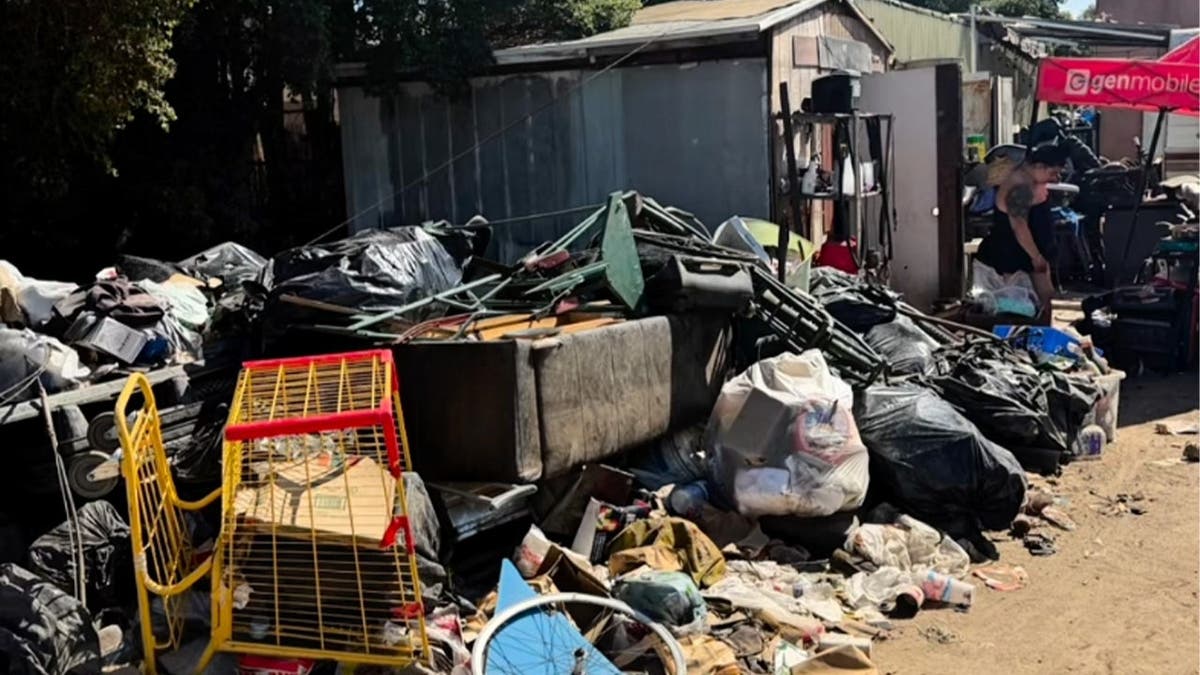
An elderly woman, Jordy Smith, found herself in a harrowing situation when a man posing as a plumber took control of her home in California’s City Heights neighborhood. He began renting it out to over a dozen people, many of them appearing homeless. This situation persisted for more than two years, complicated by local laws and the inaction of authorities.
Smith, 76, initially hired the man for plumbing repairs after breaking her hip. She soon discovered that not only had he locked her out, but he also began renting rooms to strangers, creating chaos on her property.
He just took over and, before we knew it, there were like 15 people,
Smith stated, describing how her life spiraled due to this unforeseen home invasion.
As outlined by Squatter Squad, a squatter removal company, the situation quickly worsened. More people, RVs, and boats appeared on the property. The man then transferred the home’s utilities into his name, acting with impunity.
Smith bravely attempted to confront the unwanted occupants, but they wouldn’t engage and locked her out. The environment on the property deteriorated, filled with trash and debris, intensifying Smith’s distress.
Under California law, if squatters live on a property for over 30 days, they gain tenant-at-will rights. This legal status shifts the issue to a civil landlord-tenant matter, limiting law enforcement’s ability to act swiftly. Owners must initiate lengthy eviction procedures to reclaim their property.
Lando Thomas of Squatter Squad commented on the broader implications, acknowledging the importance of tenant protection laws but highlighting their potential to be exploited by illegal occupants. Thomas stressed the need for a system that effectively addresses unlawful occupancy while safeguarding legitimate tenant rights.
Despite cooperating with the local sheriff’s department and adhering to procedure, reclaiming the property required patience and legal actions. Ultimately, with assistance from Squatter Squad, Smith regained control of her home.
Smith now urges lawmakers to revise existing regulations, emphasizing the stress and challenges she endured. She advocates for laws that better protect property owners while still respecting tenant rights.
The situation has drawn attention to the limitations of current laws and the fine line between protecting tenants and preventing exploitation by those unlawfully occupying properties.