
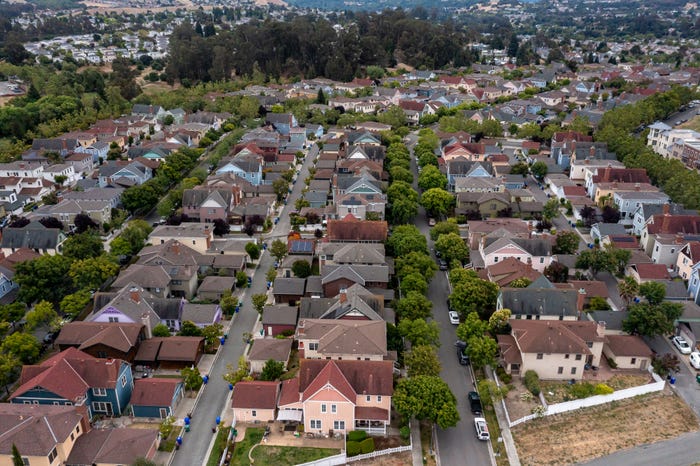
In August 2026, rent took up over 30% of average weekly earnings for many Americans, spanning 31 states. This expense is one of several increasing costs affecting household budgets. The Urban Institute’s American Affordability Tracker, published in October, highlights these financial challenges, emphasizing rent as a significant stressor for non-homeowners.
In 31 states, rent consumed more than 30% of average weekly earnings in August 2026. North Dakota experienced the lowest rent-to-earnings ratio, at 21.17%, while Hawaii and New York saw ratios around 50%, suggesting a higher cost burden compared to other states.
Yonah Freemark, a researcher at the Urban Institute, noted that affordability hinges on whether people can meet their daily needs. He highlighted the general sentiment among Americans feeling financially squeezed, affecting multiple areas of their lives.
Freemark pointed out that younger Americans face uncertainty with high prices and technological shifts like AI. Business Insider has covered rising cost-of-living concerns, particularly around rent. With high inflation, rent, and mortgage rates, many find expenses overwhelming.
In August 2021, national average weekly earnings were about $1,310. By August 2026, they had dropped to around $1,300. The war in Iran has contributed to energy price hikes and inflation, further impacting wage growth.
Freemark highlighted the expected high rent burdens in regions like Hawaii, New York, and California due to historical housing supply issues. Challenges persist in these areas, keeping prices elevated.
The tracker showed childcare and housing costs rising faster than earnings over the past decade. However, since January 2025, earnings have grown faster than rents except in Connecticut, Hawaii, Massachusetts, Michigan, New Hampshire, Rhode Island, Wisconsin, and Wyoming, where rents remain a challenge.
Affordability issues have expanded beyond high-cost areas to smaller cities. Freemark attributes this to higher transportation costs linked to the Iran war, notably affecting regions lacking public transportation. Gas prices have risen significantly, impacting daily life, especially in car-reliant states like Wyoming and Kansas.
Affordability was a key issue influencing last week’s midterm elections. Freemark suggests implementing policies to enhance homeownership opportunities and reduce costs. Measures might include state government-backed loans and initial down payment assistance.
Freemark also proposes remote work as a solution to mitigate high commuting costs. He noted the persistent nature of the affordability crisis, emphasizing the need for significant policy changes and job market adjustments to address ongoing struggles.