
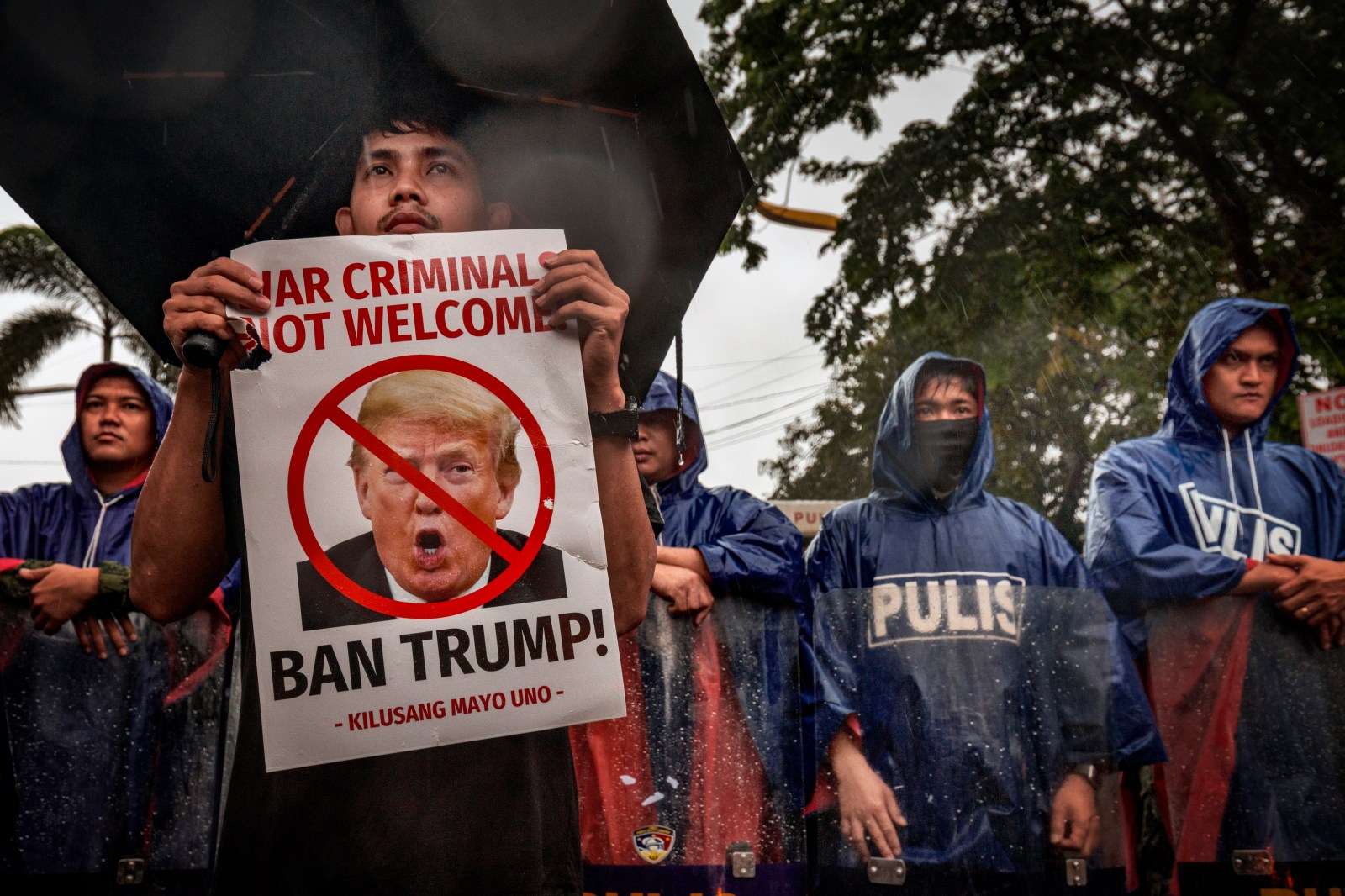
Protests are planned as President Trump heads to Manila for the ASEAN Summit next week, while the White House aims for an international artificial intelligence supply chain agreement. Trump’s visit from November 16-18 includes meetings with Philippine President Ferdinand Marcos Jr.
Understanding the Pax Silica Deal
Initiated in December, Pax Silica focuses on supply chain security and advancing economic security among allies. Its name combines ‘pax’ (meaning peace) with ‘silica,’ a key component in computer chips. The initiative seeks to foster AI development, secure semiconductor supply chains, and invest in global AI infrastructure.
The State Department notes, “The AI revolution is reorganizing the world economy, reshaping global supply chains, and driving demand for energy, minerals, and technological infrastructure.” The deal aims to ensure innovation and competition while protecting critical technologies from unwanted influence.
Impact on Indigenous Communities
Local Philippine communities express concerns over the environmental and human rights consequences of the AI industry expansion across the country. Protests in July, August, and September highlight these issues. Recently, student and women’s groups demonstrated against U.S. investments in AI data centers, criticizing Trump’s visit and Pax Silica.
GABRIELA, a political organization for women, protested, stating that U.S. interests are leading to militarized industrial zones at the expense of ancestral lands and local communities. They argue that workers face low wages and environmental degradation while American corporations profit.
Universities like the University of the Philippines oppose becoming passive participants in foreign-controlled industries. They advocate for national sovereignty and community interests in research and technology development.
Environmental Concerns and Indigenous Rights
While foreign investments could boost Philippines’ industrial capabilities and mineral supply, grassroots organizations fear repercussions for the environment and indigenous communities. The Center for Environmental Concerns aims to protect local resources from foreign exploitation.
The increase in mining threatens thousands of acres of ancestral lands, affecting cultural and community livelihoods, particularly for indigenous Aeta communities.
Signing and Further Developments
The Pax Silica agreement will not be signed at the ASEAN Summit. Department of Trade and Industry Undersecretary Ceferino S. Rodolfo emphasized the need to focus on existing regional initiatives. The agreement may be signed by year-end.
U.S. Ambassador Lee Lipton stated that decisions will involve discussions with the Philippine government. This promises cooperation to strengthen supply chains and enhance economic growth in the Philippines.
Timeline and Global Involvement
The inaugural Pax Silica summit saw Japan, South Korea, Singapore, and others join. More countries, including the Philippines, joined by 2026. Additional nations signed the AI Opportunity Statement, committing to cooperative AI growth.
U.S. Under Secretary of State Jacob Helberg is engaging allies on AI infrastructure growth, announcing a tin refinery in Virginia set to start production in 2027, through partnership with the Democratic Republic of the Congo.
Newsweek has contacted officials including the White House, GABRIELA, and others for comments on the initiative and protests.