
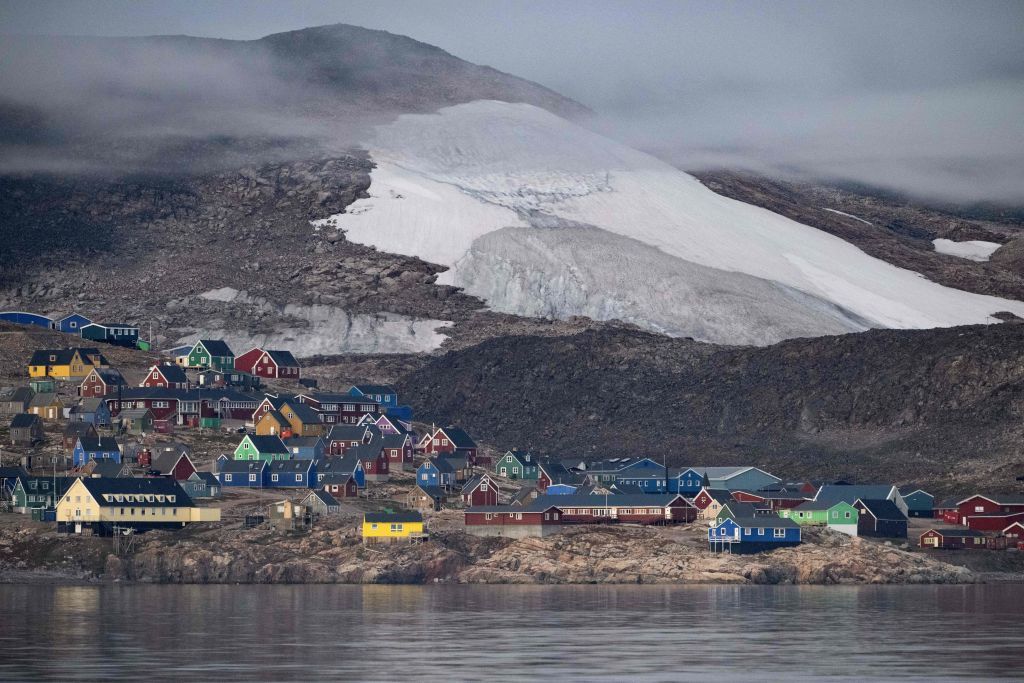
Plans by President Donald Trump to increase U.S. military activity in Greenland could impact traditional hunting livelihoods by disturbing key species, according to the leader of Ittoqqortoormiit, a small community in Eastern Greenland. Hans Brønlund, chairman of the local committee, expresses concerns about how the expansion may affect wildlife crucial to local hunters.
This warning from Brønlund emerges as Denmark discusses a potential security agreement with the U.S. that may allow additional defense areas at Mestersvig and Narsarsuaq. This raises concerns among locals about being excluded from decisions affecting their lives.
Hunting’s Role in Greenland
Hunting is vital in Ittoqqortoormiit, offering food, income, and cultural identity. Residents already face challenges due to declining hunter numbers and climate change. The proposed military growth threatens to disturb important wildlife habitats, on which these traditional activities depend.
Brønlund’s primary concern lies with Mestersvig, a Danish military outpost near Ittoqqortoormiit that might expand for U.S. defense use. Increased activity could disrupt local narwhals and polar bears, affecting hunters’ livelihoods.
“We do not want Americans here near Ittoqqortoormiit. We do not want to be a shield for their country,”Brønlund told Greenlandic public broadcaster KNR.
Brønlund also fears American interest in Greenland’s mineral and oil resources, possibly leading to further exploitative actions.
Community Concerns on Decision-Making
Brønlund criticized how major decisions could be made in Copenhagen and Nuuk without significant community involvement. He communicated this in an open letter to Danish Prime Minister Mette Frederiksen and Greenland’s Prime Minister Jens-Frederik Nielsen.
The security agreement, effective since September, permits expanded military access while emphasizing the need to respect Greenlandic traditions “to the maximum extent possible.” However, it lacks clarity on potential wildlife harm.
Greenland’s Parliamentary Approval
The Inatsisartut, Greenland’s parliament, approved the agreement with U.S. and Denmark. Sixteen lawmakers voted in favor—none opposed;—and seven abstained. Before their debate, concerns centered on environmental safeguards and consultation transparency.
Mimi Karlsen of Inuit Ataqatigiit backed the agreement but highlighted the need to respect traditional livelihoods. She also raised accountability for any military-related environmental impacts.
Opposition figure Pele Broberg expressed doubts about the protection strength against disturbances. He argued the agreement’s language on environmental provisions did not guarantee thorough cleanup responsibilities.
Siumut’s Erik Jensen supported the deal but criticized the negotiation process for its lack of public involvement. His party called for more community meetings and commitment to military pollution cleanup.
Denmark’s Security Agreement Debate
The Danish parliament is set to discuss the deal on November 12, with final discussions on November 19. Foreign Minister Lars Løkke Rasmussen will brief them, covering various aspects, including operational and environmental impacts.
The arrangement allows more U.S. activities at Mestersvig, pending further specifics. However, questions remain about any environmental assessments regarding narwhals, polar bears, and traditional hunting areas.
Efforts to obtain comments from the U.S. Department of Defense and Danish Prime Minister’s Office are ongoing.