
The SEC Championship Game, held annually in Atlanta’s Mercedes-Benz Stadium, will conclude its 35-year tradition on December 5. This decision follows the approval of an expanded 24-team playoff by the College Football Playoff management committee, scheduled to begin in the 2027-28 season.
The expansion aligns with a new media rights deal with ESPN, valued at $1.7 billion, granting the network exclusive rights to all 23 games in the revamped format. This new structure necessitates the elimination of conference championship games, despite earlier contracts keeping the SEC game in Atlanta through 2031.
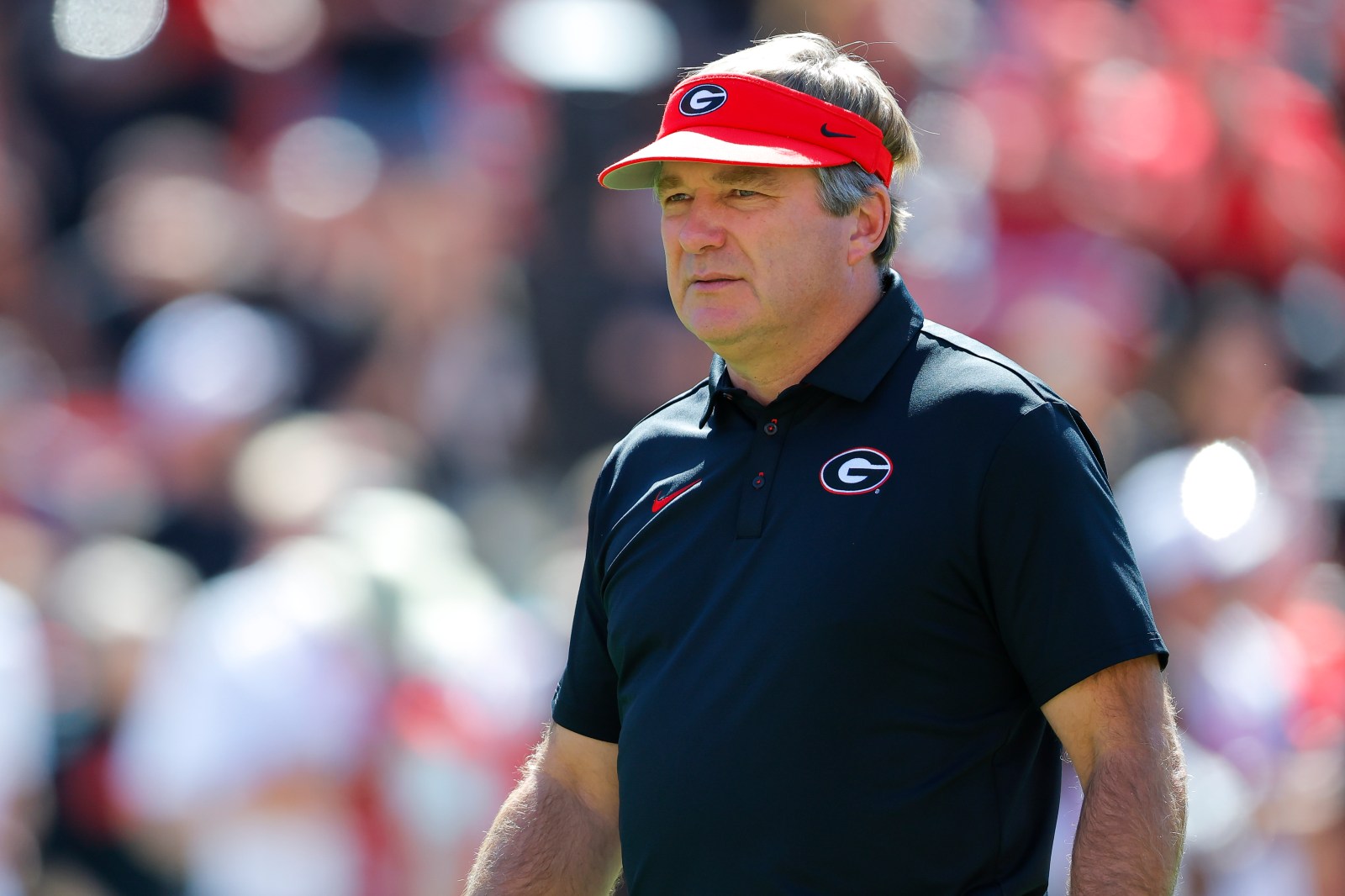
Greg Sankey, SEC commissioner, acknowledged the change brought by the playoffs’ expansion. The sentiment was echoed by Georgia’s head coach, Kirby Smart, who described the decision as unsurprising given the playoff proposal. Smart emphasized the significance of adapting to changing times while acknowledging the influence and prestige of the championship game.
“Yeah, not a real comment. I mean, I think we all kind of knew, right? So it’s not really news that’s breaking,” Smart said. “I honestly don’t concern myself with that at all. So I don’t have a lot of commentary about it. I think it’s a great historic game. It’s great for the player, the programs, the fans. The location has been awesome. For us, the venue is incredible. All those things are awesome. Times, they are a-changin’. And as they change, you’ve got to adapt with it.”
The SEC Championship Game premiered in 1992 at Legion Field in Birmingham. That inaugural game ended with Alabama’s victory over Florida, and since 1994, the event has been hosted in Atlanta. Over the years, it has propelled 14 SEC teams to national championships. Kirby Smart, the only active SEC coach to have won the championship game, led Georgia to victories in 2017, 2022, 2024, and a decisive win over Alabama in the past year. Currently, Georgia holds an 8-1 record, sitting at the top of the AP poll, positioning them for another shot at the championship this season.
The discontinuation of the game has sparked mixed reactions. Some agree a 24-team playoff leaves no room for an additional game, while others view it as diminishing the regular season’s quality, leading to more mismatches and player fatigue. Notably, Nick Saban pointed out the financial motivations behind the decision. Some voices within the sport, including Sankey, have leaned towards a more conservative 16-team playoff structure. The end of this tradition adds to the discontent, given the championship game’s historical significance in college football.