
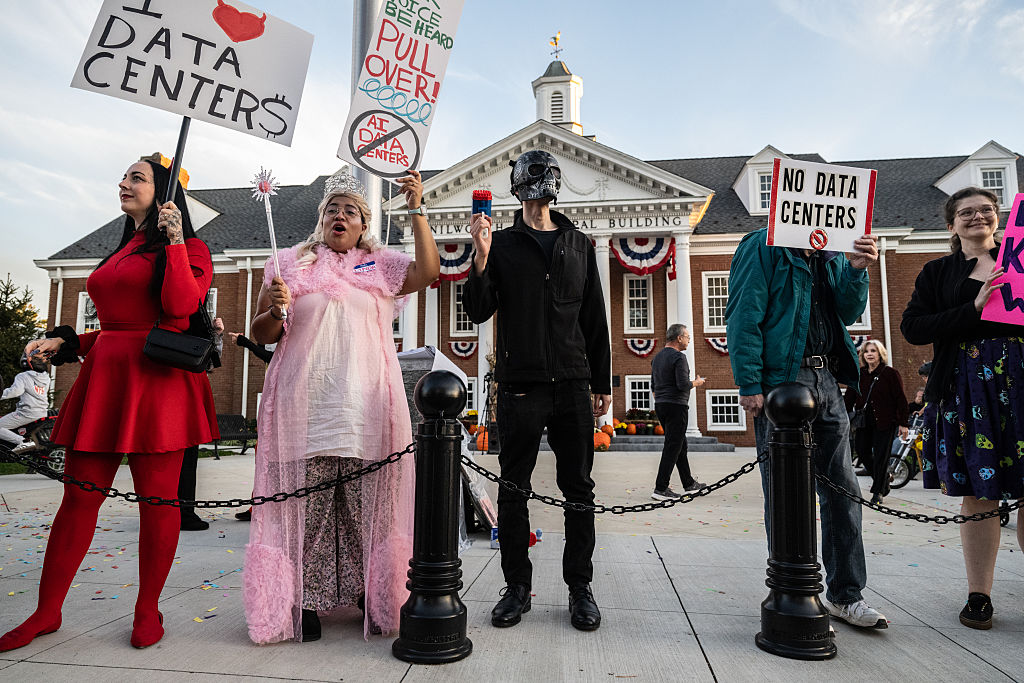
In Kenilworth, New Jersey, protestors recently gathered to voice their displeasure with the CoreWeave AI data center. This protest reflects growing public frustration over the rapid development of such facilities. While opposition increases, legislative changes aim to make constructing these data centers more streamlined.
Congress recently approved a permitting bill that could facilitate the construction of AI data centers. Critics argue this legislation serves the interests of the AI industry more than the communities where these centers are built. Some believe the bill could bypass local concerns over environmental and zoning regulations.
Data centers face scrutiny for their substantial energy consumption. These facilities require vast amounts of electricity to operate and cool servers, raising environmental concerns. The impact of these centers on local resources has been a pivotal point in community protests.
Supporters of the bill argue that it will accelerate technological advancements and bolster economic growth. However, opponents underline the potential disregard for environmental safeguards and community input. They fear this could result in unchecked growth that prioritizes industry profits over local welfare.
The debate continues as Congress’s decision draws mixed reactions. Advocates for responsible development call for balanced legislation that promotes innovation while protecting community interests. The challenge lies in finding a way to support technological progress without compromising on environmental and social values.