
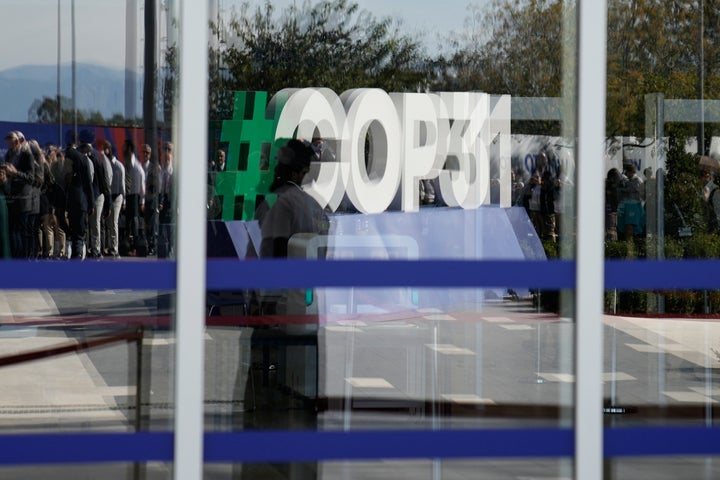
In Antalya, Turkey, leaders, delegates, and climate activists have gathered to address climate change challenges that have recently led to rising temperatures and severe heatwaves in Europe and globally. The U.N. climate summit, known as the Conference of the Parties (COP31), is held amid global disruptions caused by the war in Iran, which has blocked the Strait of Hormuz. These disruptions have increased global prices for gasoline, oil, and related products like fertilizers and pesticides, prompting governments to reconsider energy policies and investments in renewable sources.
The U.N. climate chief, Simon Stiell, opened the session by emphasizing the need for practical solutions such as reducing methane emissions. Methane’s impact on global heating is significant, even though it remains in the atmosphere for a shorter period compared to other gases. Stiell stressed the potential of renewable energy, such as wind and solar, to lessen reliance on oil, gas, and coal.
Delegates in Antalya face pressure to propose new climate actions while honoring previous commitments. The stakes are heightened by the possibility of global temperatures exceeding 1.5 degrees Celsius above preindustrial levels, a threshold set during the 2015 Paris Agreement.
Turkey’s Environment Minister, Murat Kurum, the COP31 president, highlighted the summit’s objective to transform past commitments into practical actions. The announced ‘Action Agenda’ includes measures like reducing methane emissions and building cities that can withstand climate effects. The agenda also calls for increasing the use of renewable electricity from 21% to 35% by 2035 to cut greenhouse emissions.
Reflecting urgency, the summit will also discuss strategies to support poorer nations in adapting to temperature increases and shifting away from fossil fuels. This includes addressing financial disagreements lingering since the Paris climate talks. Developing countries seek clear plans from affluent nations on providing financial support to combat climate change.
Challenges from previous summits, such as COP30 in Brazil and COP29 in Azerbaijan, where agreements on reducing greenhouse emissions were limited, have set a precedent for deep divisions. This year, proposals from the African Group, supported by several developing countries, face opposition from richer nations, complicating funding discussions.
The United States, as the world’s second-largest emitter, remains absent from these crucial negotiations, continuing a trend from President Donald Trump’s earlier decisions to withdraw from climate dialogues.
For this summit, Turkey and Australia have formed a unique alliance, where Turkey hosts and Australia leads negotiations, despite criticism over their continued dependence on coal.